Japan economy, policy and society
Immigration costs belong in Japan's labor policy debate
A country competing for workers and founders should consider the total cost of staying, not only the number of people it hopes to attract.
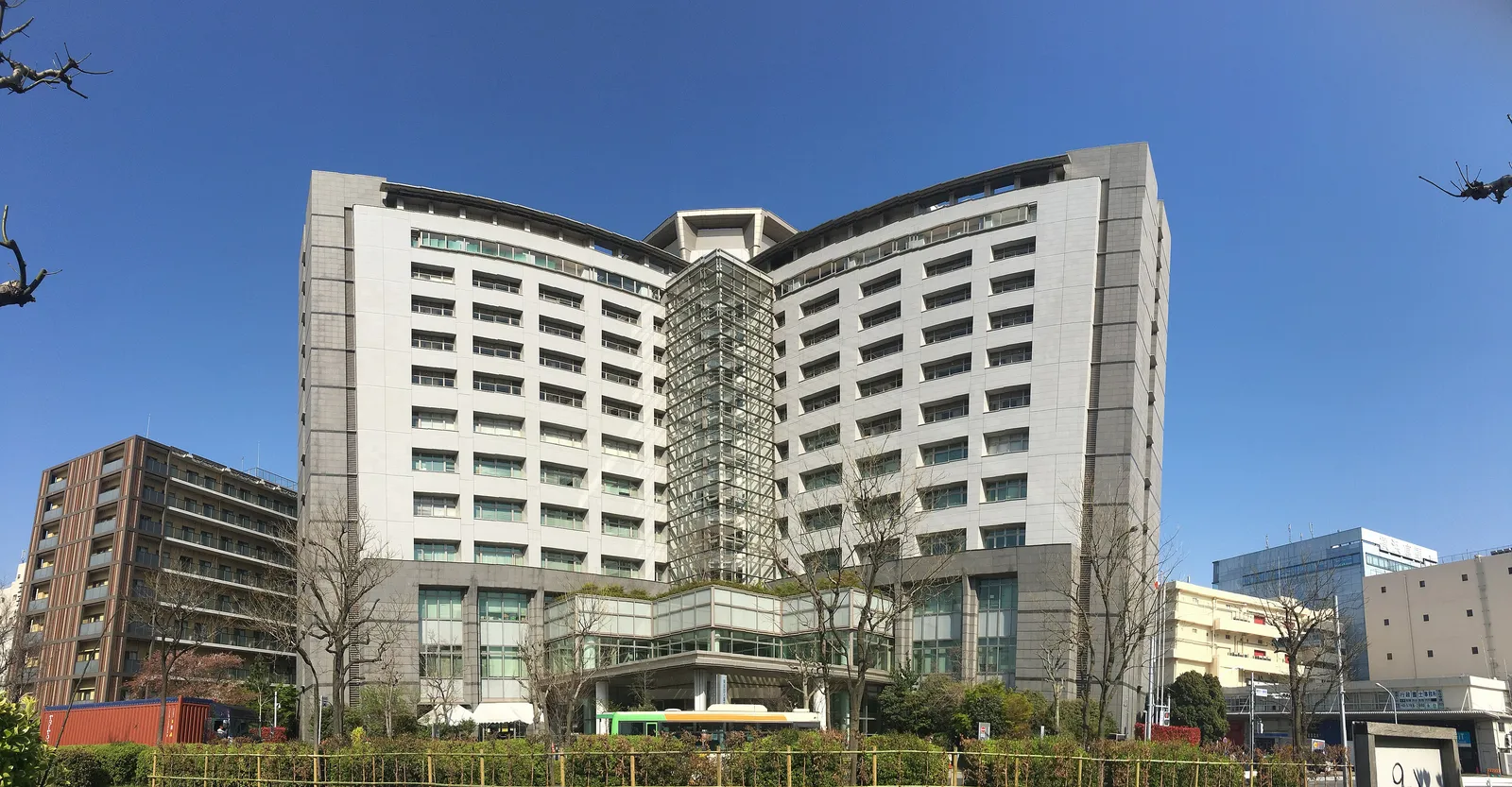

When I first wrote this in November 2025, the government had just floated a steep increase in the fees foreign residents pay to renew or change their residence status and to apply for permanent residence. I argued that the plan showed how badly Japan’s institutions misread their position in the competition for workers and founders. The plan has since gone through, and my view has not changed.
What changed
The amended Immigration Control Act was enacted in May 2026, and the new fees apply to applications filed from October 1, 2026:
- Renewals and changes of status: previously a flat ¥6,000. Now between ¥10,000 and ¥75,000 for in-person applications, depending on the length of stay granted, with slightly lower rates for online applications.
- Permanent residence: previously ¥10,000. Now ¥200,000, with the law allowing up to ¥300,000.
For a family renewing several five-year visas at once, or a worker on a one-year status renewing every year, those are significant sums. Officials have justified the increase by pointing to the higher fees charged in countries such as the United States and the United Kingdom, and have said the revenue will support services for foreign residents.
The comparison with the US and UK
The comparison with Western fees misses the other half of the bargain. People pay high immigration costs in New York or London because they expect a return: high salaries for skilled work, deep capital markets, large professional networks and a working language shared with much of the world.
Japan’s offer is different. It has real strengths: safety, public services, quality of life and a fascinating culture. But real wages have grown little for decades, white-collar productivity lags other rich countries, and many workplaces still run on paper forms, hanko seals and fax. A country with those weaknesses cannot simply copy the fee levels of countries that sell a very different kind of opportunity. Pricing should reflect what you offer.
Who actually pays
The effect falls hardest on the workers the economy depends on most. Care homes, construction sites, food factories, farms and convenience stores in every city rely heavily on foreign workers, and many of those jobs pay modestly.
The Technical Intern Training Program shows the problem at its sharpest. Designed as skills transfer for developing countries, it became a source of low-cost labor for sectors that struggle to hire. Critics in Japan and abroad, including United Nations experts and the US State Department, have raised concerns about debt to brokers, abuse and workers being unable to change employers. The government is replacing it with a new “employment for skill development” system from April 2027. That reform is welcome, but it does little good if the cost of staying rises at the same time.
For someone on modest wages, a higher renewal fee is not a formality. It is part of a calculation about whether Japan is still worth it.
Integration or revenue
The government says the extra money will help build a society where Japanese and foreign residents live together well. Good integration does need funding: language classes, multilingual information, school support and local advice services.
But integration also means economic security, equal treatment and a clear route to long-term residence and citizenship for people who want it. Raising the price of that route sends the opposite signal. It risks making foreign residents feel like a revenue source rather than neighbors with a stake in the country’s future.
The demographic backdrop
All of this happens against a demographic trend Japan cannot reverse quickly. Births fell to about 671,000 in 2025 and the fertility rate to a record low of 1.14. The working-age population is shrinking, and the pension and care systems depend on the people who remain.
Meanwhile many Japanese families face flat wages and rising food and energy prices. It is hard to ask people to raise larger families on those terms. In that situation, basic logic suggests making Japan an easy place for capable people to come, stay and build a life. Higher barriers point the other way.
The competition for talent
I talk regularly with founders and technical people who have weighed Japan against other places in Asia. Many love living here. Some set up elsewhere anyway, citing slow bureaucracy, tax complexity and the difficulty of hiring. Singapore, Taipei, Seoul and Bangkok all compete for the same people, and several are actively courting them.
The yen matters too. It lost a large share of its value against the dollar between 2021 and 2024. For workers who send money home or compare salaries internationally, a job in Japan became worth noticeably less. Add higher fees and rising living costs, and neighboring countries look more attractive, particularly for skilled workers in construction, care and technology.
The consequences are already visible: labor shortages in construction and care, businesses shortening hours and regional services under strain.
What real reform looks like
Real reform is harder than raising fees. It means higher wages, enforcement of labor law, a working route from temporary status to permanent residence and treatment of foreign residents as future citizens rather than guests. It also means making daily life easier: clear information, digital procedures that work and employers who handle visas and contracts properly.
Those changes can upset companies that rely on cheap labor and voters who are uneasy about immigration. Raising fees is easier. But a country that needs workers should look at the total cost of staying, not only at how many people it hopes to attract.
For more on the institutional side of this, see systemic failure in Japan and the need for a global mindset. If you are managing your own costs in yen and another currency, the Japan Money Tracker may help. For source data, the Japan Institute for Labour Policy and Training, the National Institute of Population and Social Security Research and the Ministry of Justice all publish in English.
Further reading: foreign workers, public opinion and the limits of a headline · foreign workers need functioning local support · when Japan’s political debate avoids the operating problem