Digital transformation, paper and legacy systems in Japan
Japan Post lost its truck license: lessons on safety records
Japan Post lost its truck license after skipped driver alcohol checks at most post offices. What happened, and how any business can keep safety records honest.
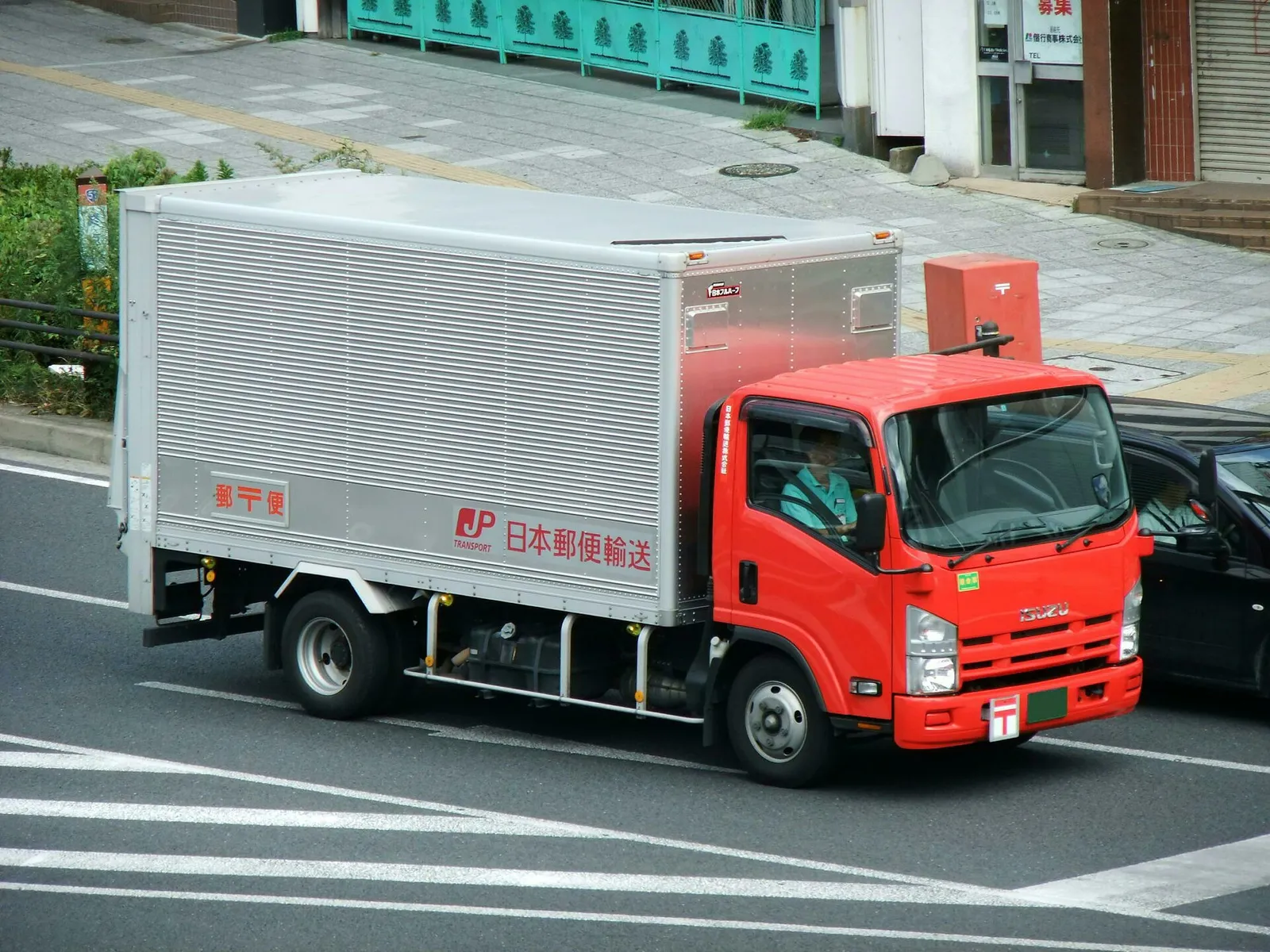

In June 2025 Japan’s transport ministry revoked Japan Post’s license to operate its fleet of larger delivery trucks after an internal review found that pre-shift driver checks, including alcohol tests, were not being carried out properly at about three quarters of its post offices. The lesson reaches well beyond logistics. A safety procedure only protects anyone if it actually happens and its records reflect what happened. A completed form is not proof of a completed check.
What happened at Japan Post?
Japanese law requires commercial transport operators to run a roll call (点呼) before and after each shift. A supervisor confirms the driver’s health and sobriety, checks for alcohol with a detector and records the result.
In April 2025 Japan Post disclosed that an internal investigation had found these roll calls were not being done properly at 2,391 of its 3,188 post offices that handle deliveries, about 75 percent. The failures ranged from skipped checks to records that did not match what had taken place.
On June 5, 2025 the Ministry of Land, Infrastructure, Transport and Tourism notified Japan Post that it intended to revoke its general truck transport license, and the revocation followed later that month. It covered roughly 2,500 trucks of one ton or more, and the company cannot reapply for five years. Japan Post shifted the affected routes to its subsidiaries and outside carriers. In September 2025 the ministry also ordered the suspension of light delivery vans at around 100 post offices, with further penalties expected as inspections continued.
Why did the checks stop happening?
The same conditions show up in almost every organization where a safety routine decays:
- The check was manual. A supervisor, a detector and a paper log depend entirely on people doing each step every time.
- Nobody looked at the records. When logs are filed and never reviewed, a blank or copied entry has no consequence.
- Pressure ran the other way. Early starts, tight delivery windows and short staffing all reward skipping a step that seems routine.
- The record became the goal. Once filling in the form counts as compliance, people fill in the form.
None of this requires bad intent. It requires a process where the easy path and the correct path have separated, and nobody is watching the gap.
What did it cost?
For Japan Post, the direct cost is five years without a license for its own large-truck operation and the expense of outsourcing that capacity during a national driver shortage. Since April 2024, overtime for truck drivers has been capped at 960 hours a year, and carriers have less spare capacity than before. The indirect cost is trust in an institution most Japanese households and businesses rely on without thinking about it.
For small businesses that ship through Japan Post, the practical impact so far has mostly been rerouting behind the scenes. The broader lesson is that relying on a single carrier is a risk worth reviewing, particularly for ecommerce businesses with seasonal peaks.
Does this apply to businesses that are not in logistics?
Yes, in two ways.
First, the legal requirement is broader than many owners realize. Since December 2023, businesses that use private (white plate) vehicles for work and meet the size threshold, generally five or more vehicles or one vehicle with eleven or more seats, must appoint a safe driving manager and check drivers with an alcohol detector before and after driving, keeping records for a year. Sales teams, construction firms, care services and delivery operations of all kinds fall under this rule.
Second, every organization has procedures where the record matters as much as the act: equipment inspections, food hygiene logs, data backups, access reviews, payment approvals. The same failure pattern applies to all of them. For accounts and backups, my digital asset ownership checklist sets out a regular review cycle for who has access.
How do you keep safety records honest?
Capture the evidence automatically
Alcohol detectors that connect to a phone or cloud service record the time, the reading and often a photo of the person taking the test. Similar logging exists for vehicle inspections and temperature checks. When the record is created by the act itself, it is much harder to skip the act.
Review exceptions, not everything
Nobody reads thousands of normal entries. Set up alerts for the entries that matter: missing checks, positive readings, checks done at unusual times or by the wrong person. A weekly summary of exceptions is something a manager will actually read.
Make the correct path the easy one
If a check takes ten minutes and requires finding a supervisor, it will be skipped on busy mornings. Put the device where drivers start their shift, allow remote roll calls where the law permits, and cut steps that add nothing.
Separate who does the check from who audits it
Someone outside the local team should look at the records regularly. In a small business that can be the owner or an outside adviser spending an hour a month.
Keep the procedure documented
Write down who does what, which tools are used and what happens when a check fails. Staff turnover is where procedures quietly disappear.
Where to start
List the checks your business is legally required to carry out, and for each one ask how you would prove it happened last Tuesday. Where the honest answer is a paper log nobody reviews, that is the place to start. Replacing manual records with systems that capture evidence and flag exceptions is typical of the work I carry out in infrastructure implementation, and the failures behind it are the same ones I describe in why shared systems fail in Japanese businesses.
Further reading: why technology adoption in Japan fails at procurement · Japan’s labor shortage as a work-design problem · the hidden cost of good enough systems