Digital transformation, paper and legacy systems in Japan
Japan's labor shortage is also a work-design problem
Japan will not hire its way out of the labor shortage. Small businesses can protect themselves by removing duplicate work, fixing clerical processes and making each role easier to learn.
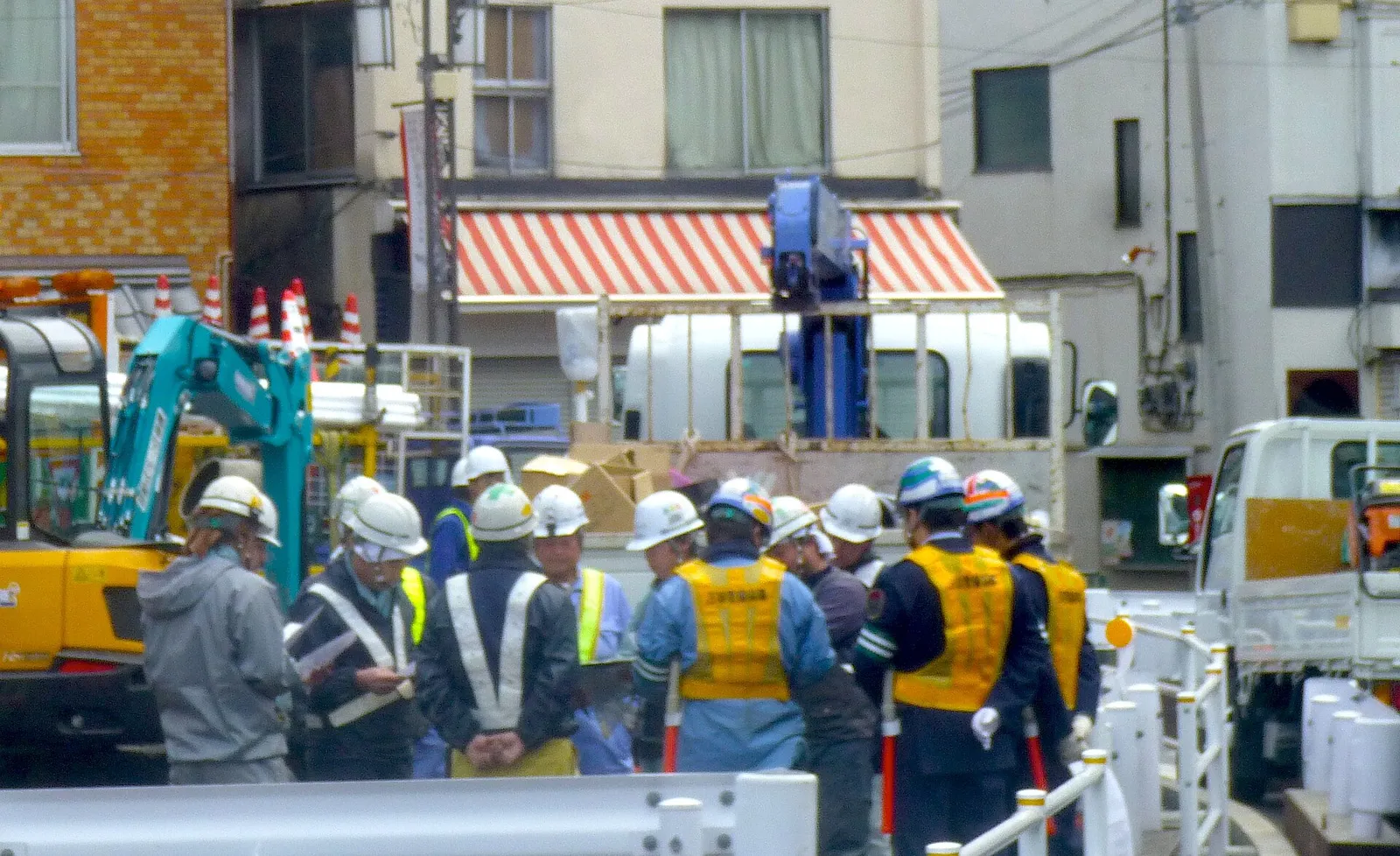

Japan’s labor shortage cannot be solved by hiring alone, because the people are not there to hire. For most businesses the practical response is to look at the work itself: which tasks exist only because systems do not talk to each other, which jobs depend on one person’s memory, and which processes could run with fewer handoffs. A company that makes its work easier to do needs fewer new hires and keeps the people it has.
How big is Japan’s labor shortage?
The national projections point in one direction. Recruit Works Institute’s Future Predictions 2040 models a gap of around 11 million workers between the labor Japan’s economy needs and the labor its shrinking population can supply by 2040. In 2025 the Ministry of Economy, Trade and Industry projected a shortage of more than 3 million workers in AI and robotics roles by 2040, along with shortages in specialist and on-site work such as construction and services.
The same METI projection expects a surplus of more than 4 million clerical workers. That detail matters more to a small business owner than the headline shortage. Japan will not simply run out of people. It will have too few people in the roles that are hard to fill and too many in office work that software increasingly handles. The mismatch is about how work is designed and who is trained to do it.
Where is the shortage already visible?
Logistics is the clearest example. Since April 2024, overtime for truck drivers has been capped at 960 hours a year. The reform was overdue for drivers’ health, but it arrived in an industry with an old workforce and few young recruits. Industry estimates put the resulting shortfall in trucking capacity at around 14 percent in 2024, rising to roughly a third by 2030 if nothing else changes. Anyone who ships goods in Japan now feels it in delivery windows, pickup schedules and freight prices. Short staffing also puts pressure on routine safety checks, as Japan Post’s loss of its truck license showed.
Care work, construction, hospitality and retail show the same pattern. Openings stay unfilled, existing staff cover the gap with longer hours, and turnover rises. Foreign workers help: Japan passed 2.3 million foreign workers in 2024, a record. But a business that relies on new arrivals still needs onboarding, clear procedures and support that most small companies have never written down.
Succession is the slower version of the same problem. METI has warned for years that a large share of small business owners are over 70 and have no successor. When those businesses close, profitable operations and local know-how disappear with them. Many of them still run on paper, fax and one person’s knowledge of how everything works, which makes them harder to hand over.
Why isn’t hiring enough?
Hiring answers the question “who will do this work?” The more useful question is “why does this work take so many people?”
In most small companies I review, a surprising share of staff time goes to tasks nobody would design on purpose. Orders arrive by fax and are typed into a spreadsheet, then into the accounting system. Staff copy customer details from email into a booking tool by hand. A monthly report takes two days because figures come from four places. Every new employee spends weeks learning undocumented workarounds from the one colleague who remembers them.
None of that is a shortage of people. It is work created by the way systems and processes fit together, and it consumes exactly the hours a company cannot replace.
What can a small business do about it?
Find the duplicate work first
Map one core process from start to finish, such as an order, a booking or an invoice. Mark every point where someone retypes information that already exists somewhere else. Those points are usually the cheapest hours to recover, and fixing them rarely needs new software. Often the tools you already pay for can connect, or a simple form can replace a phone call and a transcription.
Replace paper and fax where customers allow it
Fax and paper forms are still normal in many Japanese industries, and you cannot force every customer or supplier to change. You can offer a digital route alongside the fax and make it the easier option. I describe a practical sequence in how to retire the fax.
Automate the clerical layer carefully
Invoicing, reminders, appointment confirmations and routine reporting are good candidates for automation, and AI tools can now draft and summarize much of the text around them. The work still needs an owner who checks the output and knows what to do when something fails. Automation that nobody understands becomes the next undocumented dependency.
Make each role easier to learn
Write down how the important tasks are done, where the files live and who approves what. Documentation shortens onboarding for every new hire, including staff who are still learning Japanese, and it reduces the damage when an experienced person leaves. It is also the foundation of any reskilling plan: people can only learn a better process once the current one is visible.
Cut the tools that add work
Many small companies pay for overlapping subscriptions that each hold part of the same information. Every extra tool is another login, another place to check and another export to reconcile. Reviewing what you still need often frees time as well as money.
Where to start
Pick the process that consumes the most staff time or causes the most complaints, and trace it end to end before buying anything. That review usually shows a handful of changes that return hours every week.
If you want an outside view, my Diagnostics engagement maps your tools, workflows and responsibilities and ranks what to fix first. When the priorities are clear, I can help plan and implement the changes with your team, so the new process works for the people who will run it.
Further reading: foreign workers need functioning local support · technology should support the people providing care · what Japan Post’s lost truck license says about safety records