Akiya, property and regional Japan
Music in Japan Needs Better Paths to Discovery
Why I built Music in Japan: the country's live music is scattered across venue feeds and flyers, and clearer public paths help artists, venues, fans and visitors.
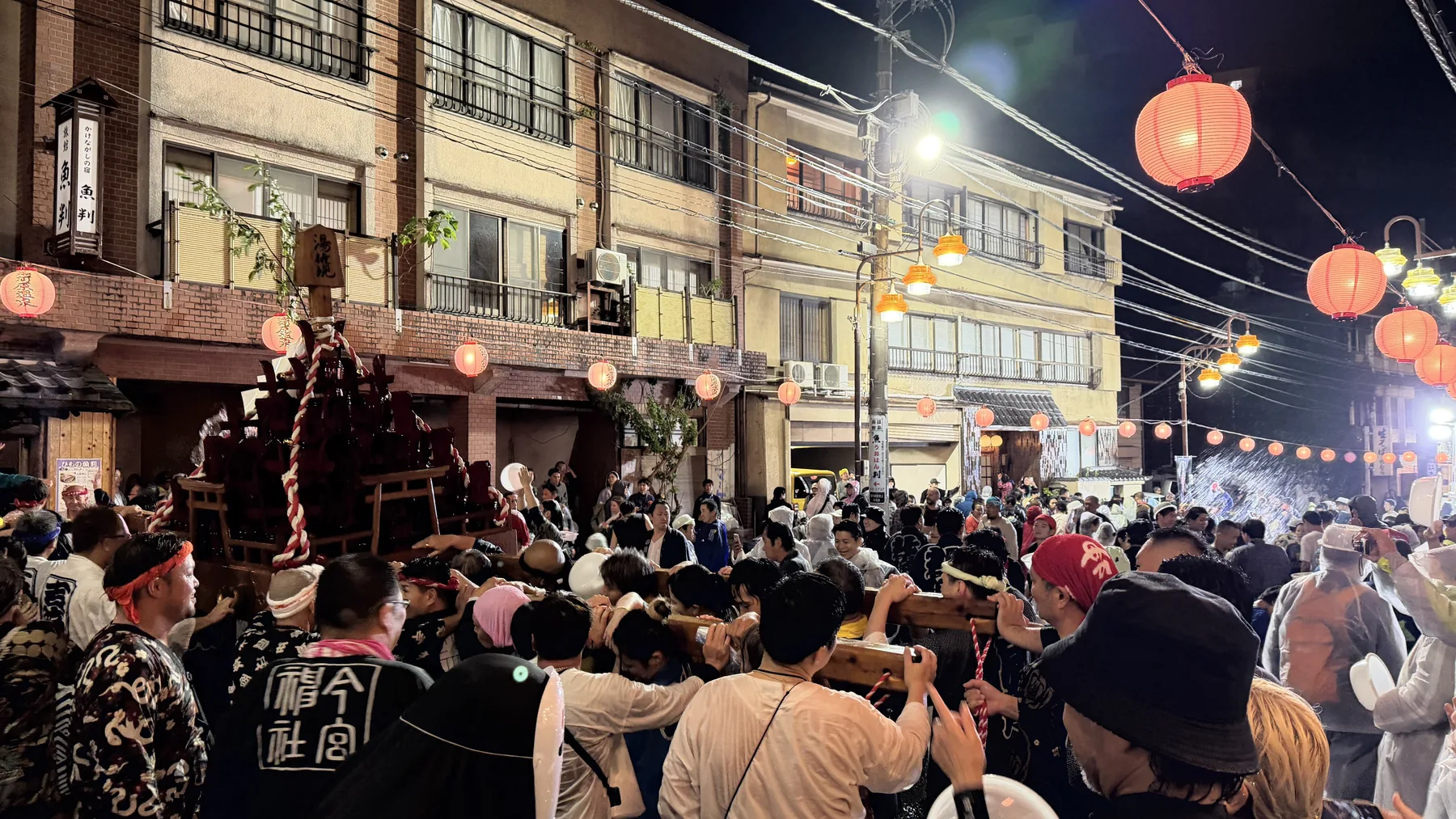
Japan does not have a shortage of music. It has the opposite problem: too many good rooms, small promoters, local scenes, experimental nights, tiny bars, serious players and one-night-only shows that never reach the places outsiders know how to search.
That is why I built Music in Japan, which lives at MusicInJapan.com. It grew out of years of producing events and working with independent artists, venues and audiences here. The idea is simple. People should be able to find music in Japan without already knowing the right venue account, the right friend, the right kanji, the right neighborhood or the right flyer taped to a wall.
Why is discovery an infrastructure problem?
I see the same pattern across Japanese business and regional culture. The value exists, the craft exists and the people exist. What is often missing is the way in.
For music, that way in matters to several groups at once:
- Artists need the right listeners to be able to find them.
- Venues need audiences beyond their regulars.
- Visitors need ways to plan nights around real local scenes, not only the tourist defaults.
- Promoters need clearer ways to explain what is happening and why it matters.
A good listing page is more than a calendar. It is a signal of trust. It tells someone the event is real, the details are current and the night is worth leaving the house for.
What Music in Japan focuses on
A generic culture portal would not solve this. The useful version is specific: Tokyo live houses, underground shows, touring artists, small venues, regional scenes, and practical information for people who want to go out tonight, next weekend or during a trip.
Specificity also matches how people search. Interest in music in Japan is split between travel planning, nightlife, following particular artists, looking up venues and checking what is on locally. Each of those searches starts in a different place. A good discovery site can connect them, so someone who arrives looking for one venue leaves knowing about three related nights.
What does better discovery require?
A useful music directory has to model the scene, not just collect posts. Artists use several names. Venues change their schedules. Promoters announce shows in different formats and correct details after the first post. Underneath the public pages, each artist, venue and event needs a stable identity, a link to its original source and a visible date showing when it was last updated.
For audiences, the essential filters are practical: date, city, venue, genre, price, door time and how to get a ticket. For artists and promoters, submitting an event has to be quicker than sending yet another direct message, or they will not bother. Somebody still has to handle duplicates, cancellations and confusing names, because automated collection alone produces a messy, untrustworthy calendar.
The editorial side matters just as much. A calendar answers what is happening tonight. Guides and scene histories explain why a venue, an artist or a regional network matters. Putting structured listings next to that human context gives international listeners a route into scenes that social feeds rarely make understandable.
How should success be measured?
Not by the number of listings. A directory stuffed with scraped events can look impressive and help nobody. The measures I care about are useful actions: people opening event pages, clicking through to tickets, saving searches and coming back. Those show that someone actually used the site to decide where to go.
The wider lesson
I like projects like this because they show something about Japan’s digital infrastructure more generally. A lot of the opportunity is not in inventing something new. It is in making existing value visible, searchable and easy to act on.
Japan’s music culture already has plenty of texture. The question is whether more people can find it, understand it and take part in it without needing an insider map. Music in Japan is my attempt to draw that map, with respect for the scenes it describes. If you care about live music, cultural discovery or the systems that help real-world communities grow, I hope it is useful to you.
Further reading: How to find live music in Japan without an insider map · Why Japan’s local scenes need better event discovery · Digital infrastructure is business infrastructure