Doing business and leading teams in Japan
Training leaders through the work they actually do
Leadership training in Japan works when it changes something managers do at work. How to choose a program, set a baseline and make the new behavior stick.
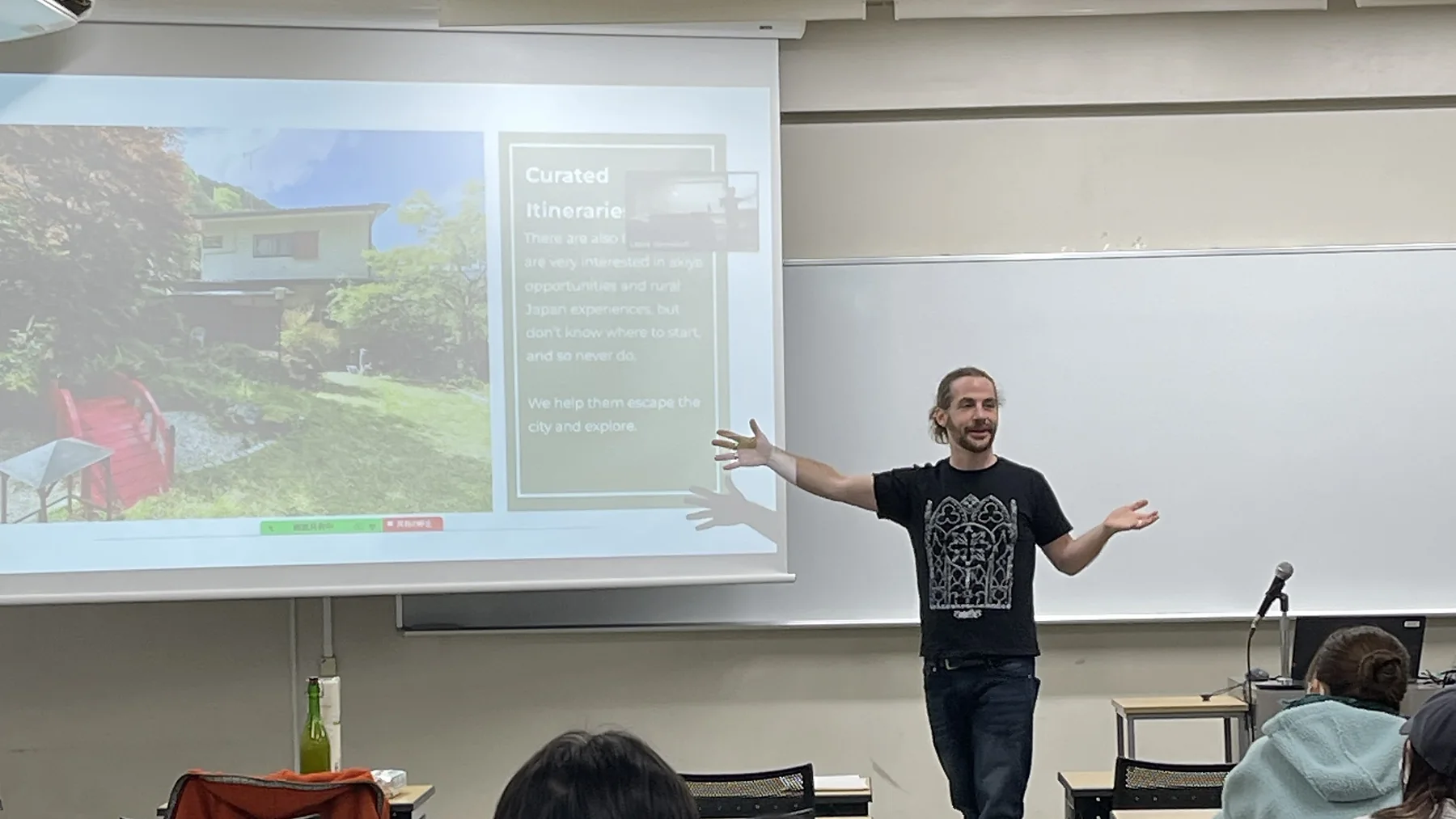
Leadership training should change something a participant can do at work the following week. The most useful programs start from a real difficulty, such as a hard conversation, a delayed decision or an unclear handoff, and give people practice and honest feedback on it. Programs that deliver general content in a single day rarely change behavior, because participants return to the same approval routes, meetings and incentives that produced the old habits.
How is leadership training usually done in Japan?
Japanese companies invest heavily in training, but much of it follows a familiar pattern. New graduates go through an intensive induction program, often with their whole intake year together. After that, most learning happens on the job (OJT), through senior colleagues and rotation between departments. Formal training outside the job tends to arrive at fixed points, especially promotion to a management grade, and is organized by level rather than by the problems a particular manager faces.
That system has real strengths. It builds loyalty and a shared way of working, and OJT passes on practical knowledge that no course can. Its weakness is that a new manager often receives a short course on the company’s evaluation rules and labor compliance, then is expected to learn leadership by watching their own managers. Whatever habits those managers had, good or bad, are passed down intact.
Pressure to do better is rising. Since 2023, listed companies filing annual securities reports have had to disclose their approach to human capital, including training and development. Many firms now publish training hours and budgets. The harder question is whether those hours change how people work.
Why do so many training programs fail to change behavior?
Most failed programs share a few features. The content is generic and could apply to any company. The goals are vague, such as “improve communication” or “develop leadership mindset.” There is no follow-up after the session, and nobody measures anything except attendance and a satisfaction survey.
The deeper problem sits outside the classroom. A manager can be taught to delegate, but if every meaningful decision still needs a senior executive’s seal, delegation is impossible. A team leader can learn to give direct feedback, but if raising a problem with a senior colleague carries a social cost, the old silence will return. Training works only when authority, incentives and daily routines support the behavior being taught.
What should a good leadership program include?
A specific behavior to change
Name the behavior in terms someone could observe. “Improve communication” is not specific enough. “Project owners publish the decision, owner and due date within one business day of a meeting” can be observed and checked. So can how long escalations take, how complete handoffs are, and whether meetings end with anyone still unsure what was agreed.
Real work as the practice material
Participants should bring a live problem from their own job: a stalled project, a difficult team member, a decision they have been avoiding. Role-play with invented cases has its place, but practicing on real situations shows immediately whether the method survives contact with the company’s hierarchy and politics.
A baseline and a follow-up
Before the program, record how the target behavior looks today. After it, check again, ideally over several weeks rather than immediately. Without a baseline, any improvement is anecdote.
Attention to language
Many teams in Japan work across Japanese and English, and leadership habits differ between the two. Feedback that sounds normal in English can land as harsh in Japanese, while a polite Japanese hint may not register at all with a non-Japanese colleague. Good programs make these differences explicit and give people phrases and routines that work in both languages.
Support from above
The executives who approve the program should know what behavior it is trying to build and agree to support it. If a senior manager rewards the old behavior the week after the course, the course is wasted.
How do you choose a trainer or program?
Look for providers who ask about your organization before proposing a curriculum. A good facilitator wants to know how decisions are made, where communication breaks down and what the program is meant to change. A provider who arrives with a fixed package and no questions is selling content, not change.
Ask how they will know whether the program worked. If the answer is a satisfaction survey, keep looking. Ask what happens after the sessions end: follow-up coaching, review meetings or a plan for managers to reinforce the behavior. For bilingual teams, ask whether the facilitator can work in both languages or at least understands how the dynamics differ.
Finally, be wary of programs that promise to transform company culture in a few days. Culture changes when routines and incentives change, and training is one input into that.
How do you make the change last after training ends?
The work that preserves new behavior is mostly operational. If the program teaches clear ownership of decisions, the company needs somewhere to record decisions and owners, such as a shared project tool or meeting template. If it teaches faster escalation, the approval process has to allow it. If it teaches better handoffs, there needs to be a standard format for them.
This is where training and systems meet. A manager who has learned to delegate still needs a way to see what their team is working on without asking for status reports. A team that has agreed to reduce unnecessary meetings needs a written channel where updates actually get read. I describe the operational side of this in fewer missed messages, clearer working rules and the cost of leaving it undone in when senior leaders call themselves disorganized.
A simple test for any program
At the end of a program, ask three questions. What changed in the work? What evidence supports that claim? What management practice will keep the change going after the facilitator leaves? If nobody can answer the third question, the effect will fade within a few months.
Training is one part of building capable leaders. The rest is designing the work so that the behavior you want is the easy default. For the cultural background, see Japanese leadership culture and wa, and for the case that investing in staff skills pays off, see why reskilling is an opportunity in Japan.
When the change depends on new tools or workflows, I help companies plan and implement them with their teams, including the documentation and handover that let people keep working the new way.
Further reading: Japanese leadership culture and the concept of wa · long hours are a poor substitute for leadership · preparing managers to work across borders