Doing business and leading teams in Japan
Japanese leadership culture and the price of wa
Wa, or harmony, keeps Japanese organizations stable and makes decisive leadership rare. Where the habit comes from, and how companies can make room for people to speak up.
.png)
Wa (和), usually translated as harmony, is one of the central values in Japanese organizations. It keeps teams cohesive and conflict low, and it also makes people reluctant to challenge a senior colleague, take a clear position or make a decision alone. For companies operating in Japan, the practical question is how to keep the benefits of harmony while building routines that let problems surface early and let someone own each decision.
Where does the idea of wa come from?
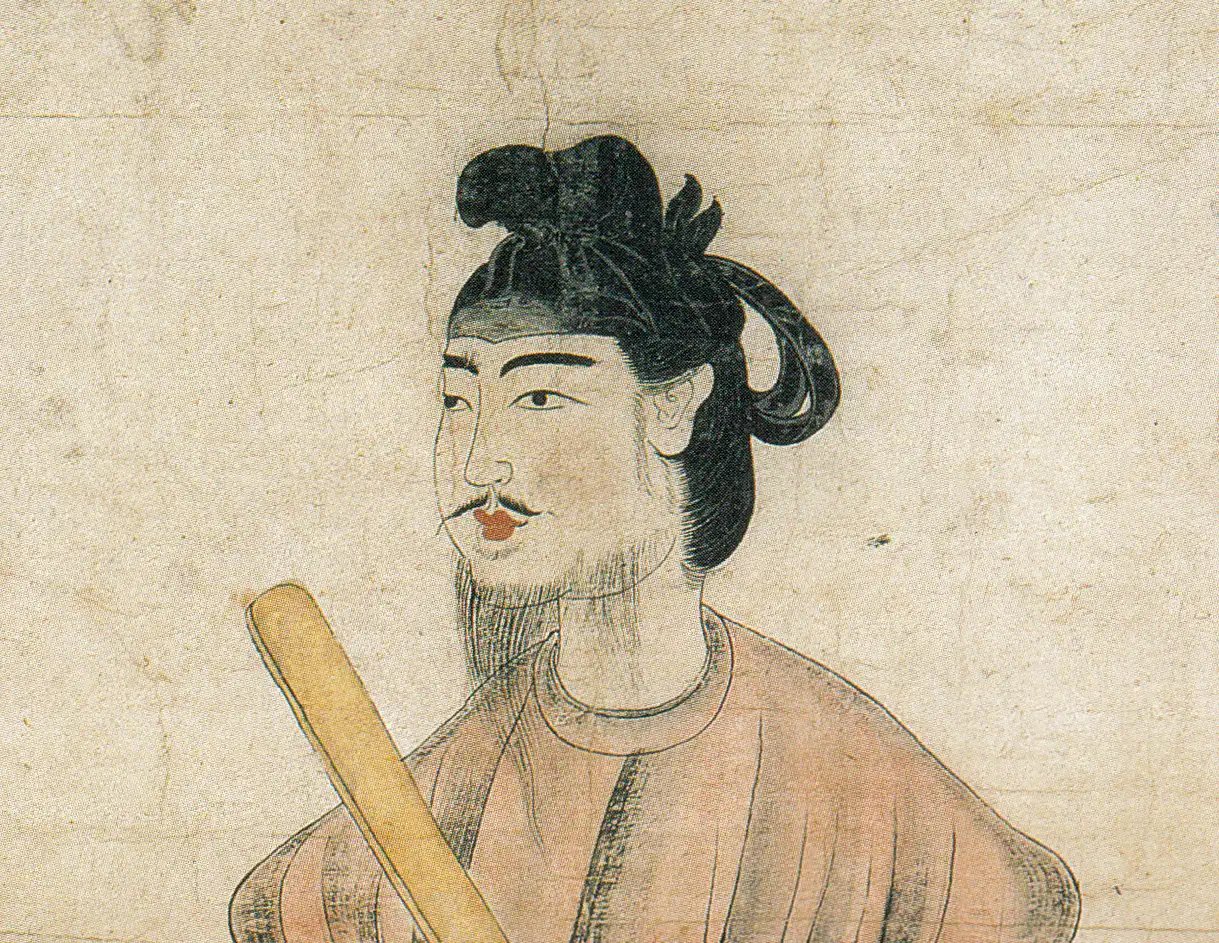
“Harmony is to be valued” opens the Seventeen-Article Constitution traditionally attributed to Prince Shōtoku in the early seventh century. For about fourteen hundred years, the line has been quoted as a summary of what Japanese society values.
In January 2026 Yozo Naotsuka published an essay in JAPAN Forward, “The Price of ‘Wa’: Japan’s Leadership Culture and Vulnerability”, arguing that this commitment to harmony has left Japan short of autonomous leadership. He points to seniority systems and honorific language as mechanisms that maintain order, and argues that the country’s habit of deferring to higher authority extends into foreign policy, where Japan often waits for outside pressure before acting.
I think he is largely right. I also think the history is worth a closer look, because it explains why the habit is so durable.
How did Japanese history shape the fear of disorder?
The broken center
In the 1330s, Emperor Go-Daigo tried to restore direct imperial rule after the fall of the Kamakura shogunate. The attempt lasted only a few years. Ashikaga Takauji, one of the warriors who had helped him, broke with him, installed a rival emperor and founded the Muromachi shogunate. For more than half a century Japan had two competing imperial courts.
The Ashikaga shogunate never held the kind of central authority its predecessors had. Power rested on bargains with regional lords, and after the Ōnin War of 1467 to 1477 the center effectively collapsed. The century of warfare that followed, the Sengoku period, was an era of gekokujō, when subordinates overthrew their superiors and alliances shifted constantly.
The lesson that period taught was harsh. Bold, idealistic leadership could get you destroyed. Survival came from alliances, quiet negotiation and avoiding open confrontation.
The long freeze
The unifiers who ended the Sengoku period set out to make sure it could not happen again. Toyotomi Hideyoshi’s sword hunt of 1588 disarmed the peasantry and fixed the line between warriors and commoners. The Tokugawa shogunate then built a system designed for stability above all. Under sankin-kōtai, feudal lords had to spend alternate years in Edo and leave their families there, which drained their finances and kept them under watch.
The Tokugawa order lasted more than 250 years. It made stability, precedent and knowing one’s place into core virtues. Much of that inheritance survives in modern organizations as a strong reluctance to stand out, disagree openly or take a decision that others have not already endorsed.
How does language reinforce hierarchy?
Naotsuka describes keigo, the honorific system, as a way of controlling power, and it is easy to see why. Speaking Japanese at work requires constant attention to who is senior. Choosing the humble form when addressing a superior is a small daily act of deference, and it makes direct challenge feel even less natural.
Other features of the language point the same way. Japanese often omits the subject of a sentence, so it is possible to describe a decision without saying who made it. Much communication relies on kuuki wo yomu, reading the atmosphere, rather than stating a position. None of this makes Japanese speakers incapable of leadership. It does mean that direct ownership of a decision has to be built deliberately, because the language does not require it.
Waiting for outside pressure
Naotsuka connects this domestic pattern to Japan’s international behavior: the tendency to wait for gaiatsu, external pressure, before making difficult changes. Trade liberalization, financial reforms and many governance changes arrived after pressure from the United States or international institutions rather than through a domestic decision to act.
Companies show the same pattern at a smaller scale. Change often happens when a foreign parent company, a major customer, a regulator or an activist shareholder demands it, rather than because someone inside decided it was necessary.
What does this mean for companies working in Japan?
Harmony and decisive leadership are not opposites. Japanese organizations can be extremely effective once a direction is set. The weaknesses show up earlier: problems that are seen but not raised, decisions that nobody wants to own, and ideas from junior staff that never reach the people who could act on them.
The practical response is to design routines that do not depend on anyone being willing to stand out.
- Collect input in writing first: Ask for comments or concerns in a shared document before a meeting. People who would never contradict a senior colleague aloud will often write a careful note.
- Name a decision owner: Every agreed action should have a named person responsible for carrying it out, recorded where everyone can see it. This counters the grammar of decisions that belong to nobody.
- Separate the idea from the person: Review proposals on their content, and let good suggestions from junior staff be adopted without requiring them to argue against a superior.
- Make disagreement a step, not a confrontation: A regular item such as “risks and objections” in project reviews turns raising a problem into part of the process rather than a challenge to someone’s authority.
- Reward the fix: Promote and recognize the people who solve problems, including the ones who spotted them early, not only those with the longest service.
Much of this depends on the unglamorous structure around the work: where decisions are recorded, how approvals move, which channel is used for what. I describe that side in when senior leaders call themselves disorganized and in staying adaptable while doing business in Tokyo, which covers using nemawashi to change direction.
Change without abandoning tradition
Nobody needs to discard harmony. Naotsuka argues that wa and autonomous decision-making can coexist, and the best Japanese organizations show it. They keep the cohesion and add clear ownership, early warning of problems and room for younger people to lead.
The pressures Japan faces now, from a shrinking workforce to rapid technological change to a less predictable region, will not wait for consensus to form. Organizations that can surface a problem and act on it quickly, while keeping their people together, will cope best.
If your team in Japan has trouble surfacing problems or turning agreement into action, I work with companies as a fractional technology advisor to set up the decision records, workflows and shared tools that make ownership visible.
Further reading: training leaders through the work they actually do · when senior leaders call themselves disorganized · turning a business decision into working practice in Japan