Doing business and leading teams in Japan
Long hours are a poor substitute for leadership
Japan's prime minister says she sleeps two to four hours a night. Why visible exhaustion is a bad standard for leaders, and what managers can measure instead.
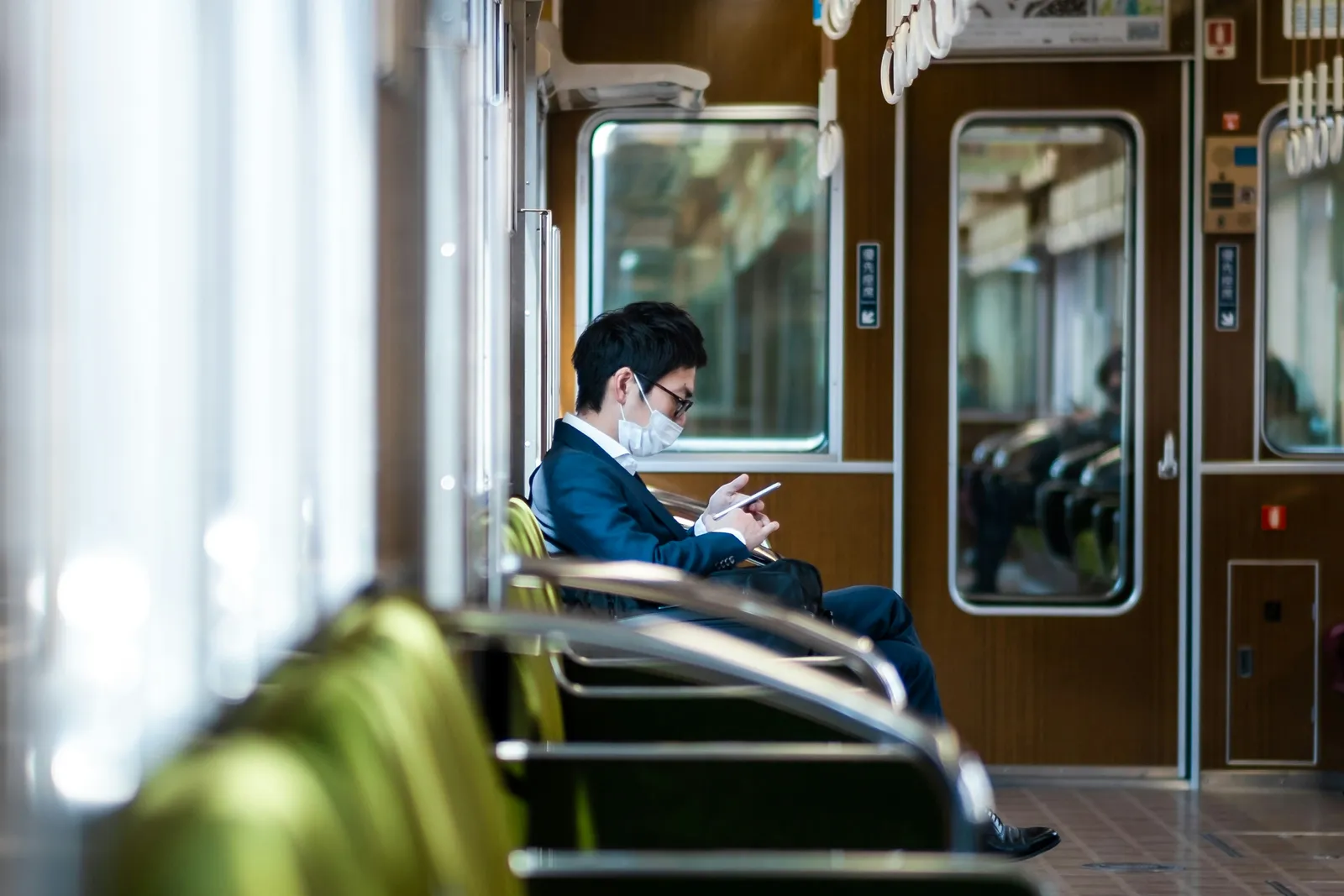
Visible exhaustion is still widely read as commitment in Japan, and that is a poor standard for anyone running a team. Long hours do not show that good work is being done. More often they point to unclear priorities, broken processes or a manager who measures presence because output is harder to see. When the country’s most senior leader treats sleeplessness as a point of pride, the message reaches every workplace.
What happened with the 3 a.m. meeting?
In November 2025, shortly after taking office, Prime Minister Sanae Takaichi called aides to her office at 3 a.m. to prepare for a parliamentary committee session. Asked about it, she said she was sleeping about two hours a night and four at most, and added that it was probably bad for her skin, as The Japan Times reported.
It fitted a pattern. When she won the leadership of the Liberal Democratic Party, she said she would discard work-life balance for herself and work, work, work. She told colleagues to work like horses.
Video: ‘Work, work, work!’ Japan’s new PM under fire for asking staff to come in at 3am • FRANCE 24 from FRANCE 24 English.
Politicians everywhere perform dedication, and a prime minister’s schedule is genuinely punishing. What makes this worth writing about is the country. Japan has its own word, karoshi (過労死), for death from overwork, and its government has spent years trying to bring working hours down. A leader who celebrates sleeping two hours a night sends the opposite signal.
Why does the endurance myth persist?
Japanese working culture has long admired gaman, enduring hardship without complaint. The person who stays latest is seen as the most committed, and leaving on time can still feel like a statement.
Part of the reason is historical. In factory work, hours at the line had a fairly direct relationship with output. In knowledge work the relationship is weak. A tired person writing a proposal at 11 p.m. is not producing twice as much as someone who finished at 6.
The larger reason is that presence is easy to measure. A manager can see who is at their desk. It takes more effort to define what good output looks like, agree it with each person and check whether it was delivered. Where that effort has not been made, time in the office becomes the default measure, and long hours become a way to look reliable.
What does sleep deprivation do to decision-making?
The research here is consistent. Studies of sleep deprivation, including work by Williamson and Feyer published in 2000, found that after 17 to 19 hours without sleep, performance on some tests was as poor as or worse than at a blood alcohol concentration of 0.05 percent. Chronic short sleep also impairs emotional regulation, judgment of risk and complex problem-solving, which are exactly the capacities a leader needs.
Nobody would accept a pilot or surgeon who boasted of two hours’ sleep. The same standard should apply to people making decisions about budgets, security and diplomacy, and on a smaller scale to managers deciding on contracts, hiring and customer commitments.
The economic cost is measurable too. A 2016 RAND Europe study estimated that insufficient sleep cost Japan up to $138 billion a year, around 2.9 percent of GDP, the highest share among the five countries it examined.
What has changed in Japan’s overtime rules?
The work-style reform law that took effect from 2019 put a legal cap on overtime for the first time. The standard limit is 45 hours a month and 360 hours a year. Under a special agreement with employees, a company can go further, up to 720 hours a year and less than 100 hours in a single month including holiday work, with an average of no more than 80 hours across any two to six months.
Those rules were a response to karoshi cases that had become national news. Under Takaichi, the direction has shifted. Her government’s growth strategy called for revisiting how working hours are overseen, and from September 2026 labor inspection offices stopped pressing businesses to keep to the 45-hour limit as a matter of routine guidance, while saying they will still intervene where overwork creates a high health risk. Supporters point to the labor shortage and demands for flexibility. Critics see a return to the culture the reforms were meant to end.
Whatever happens nationally, individual employers still decide how their own teams work.
What should managers measure instead of hours?
The employee who answers email at midnight is often treated as the most dedicated person on the team. More often, they are overloaded, filling gaps in the process, or both. They are also a risk: tired people make mistakes, and a team that depends on one person’s late nights stops working when that person gets sick or leaves.
A few practical changes shift the focus from hours to results.
Define the output
For each role, agree what good work looks like in concrete terms: cases closed, proposals delivered, reports accurate and on time. Once output is defined, hours stop being the only visible measure. The same definitions make hiring easier, because a job listing can then pair a real salary range with responsibilities a candidate can judge.
Find where the hours go
Late nights usually trace back to specific causes: duplicate data entry, reports assembled by hand from several systems, approvals that wait for one person, meetings scheduled across a whole afternoon. These are process problems, and fixing them returns hours every week. I describe common examples in Japan’s labor shortage is also a work-design problem.
Protect time outside work
Leaders set the norm. If the manager sends messages at midnight, staff will feel they must answer. Scheduled sending is a small fix that helps, as I explain in schedule an email when the response can wait. Clear rules about which messages need an immediate response do more.
Plan instead of reacting
A meeting called at 3 a.m. is almost always a sign that preparation happened too late. Well-run teams know their deadlines in advance and build the preparation into normal hours. Crisis should be the exception, not the operating model.
Recognize efficiency
Praise the person who finished the work well within normal hours. If only the late nights are noticed, people will keep working late.
Japan needs rested leaders
The country’s demographic and economic challenges require clear judgment, and clear judgment requires rest. Leaders who talk openly about getting enough sleep, and who build teams that do not depend on anyone’s exhaustion, will make better decisions and keep their best people longer. The cultural background to why Japanese leaders rarely challenge these habits is the subject of Japanese leadership culture and wa.
If your team’s long hours come from manual work, disconnected tools or processes that nobody has redesigned, my Diagnostics engagement maps where the time goes and ranks what to fix first.
Further reading: training leaders through the work they actually do · Japanese leadership culture and wa · when senior leaders call themselves disorganized