Akiya, property and regional Japan
How to Find Live Music in Japan Without an Insider Map
A practical guide to finding live music in Japan: why shows are hard to find, what to search for in English and Japanese, and what better event pages need to answer.
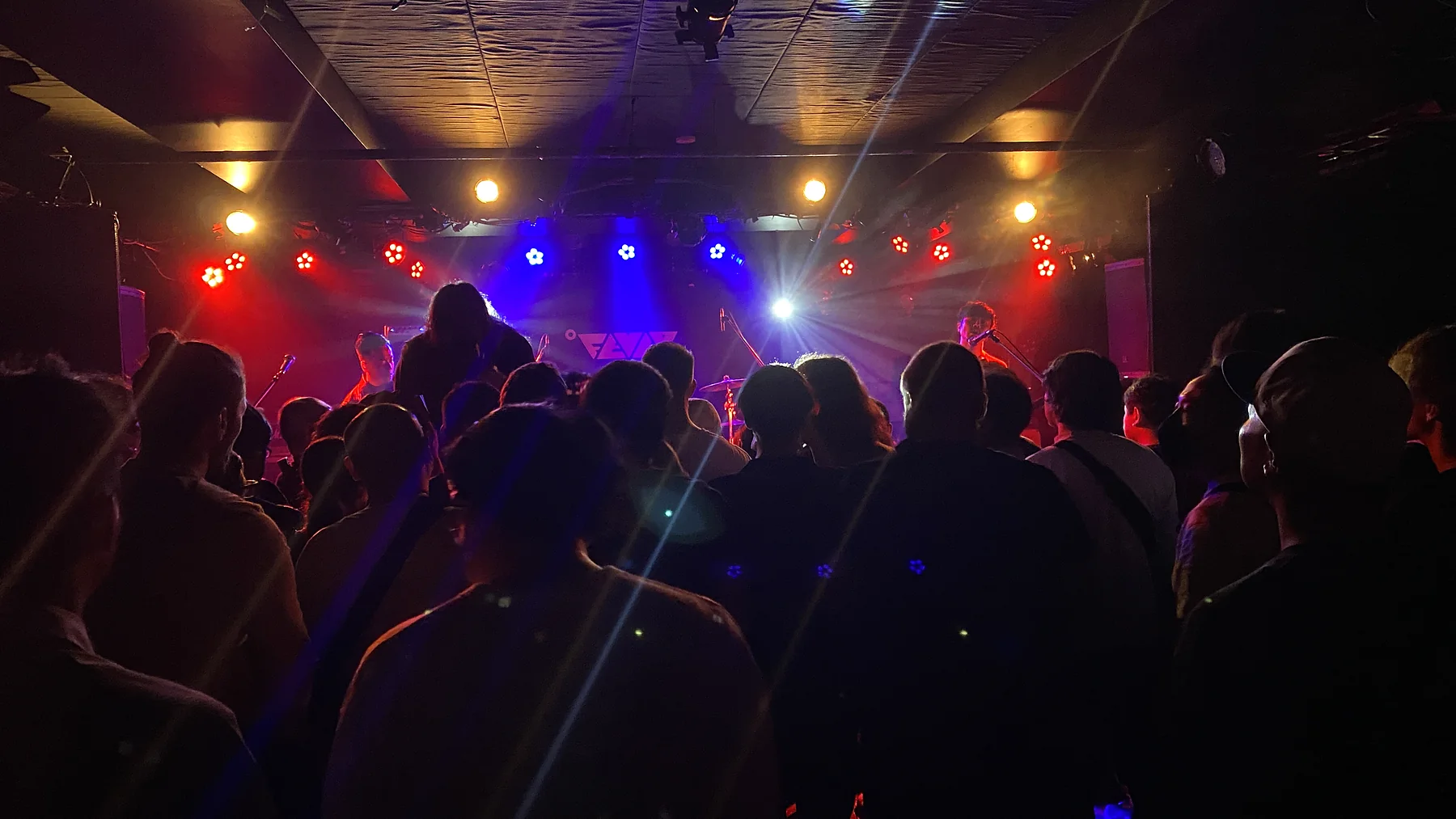
Finding live music in Japan should be easy. In practice, it often feels strangely difficult.
Plenty is happening. Tokyo, Osaka, Kyoto, Fukuoka, Sapporo, Nagoya and many smaller cities have live houses, DJ bars, jazz rooms, noise nights, idol events, punk shows, folk sessions and experimental spaces, with venue calendars that change every week.
The difficulty is that the information is scattered across venue websites, Instagram posts, X accounts, artist pages, ticketing platforms, paper flyers, Japanese search terms and local knowledge. If you already know the venue, the promoter or the scene, you can usually find the show. If you do not, the trail goes cold quickly. I have spent years producing events and building discovery tools for independent music here, and this is the gap I see most often.
What are people actually searching for?
A tourist might search for “live music Tokyo tonight.” Someone living in Japan might search by genre, neighborhood, venue, artist or ticket platform. A musician might look for open mics, booking contacts, jam sessions or small venues that accept new acts.
Those are different needs, and a useful discovery page has to recognize them rather than treating every visitor as a generic nightlife searcher. Most people looking for a show need answers to simple questions:
- Is this event current?
- Where is it?
- What kind of music is it?
- What time do doors open and the first act start?
- Can I buy or reserve a ticket?
- Do I need Japanese to understand the page?
- Is the venue easy to reach?
- Is it a seated listening room, a club night, a basement live house or a festival stage?
That sounds basic, and basic is exactly where discovery tends to break.
Why do Japanese event pages lose outsiders?
Many Japanese event pages assume the reader already belongs to the scene. That is not a criticism of the musicians or venues; it is how small scenes work. The flyer goes to people who already follow the right accounts. The venue calendar lists the lineup with little context. The ticket instructions make sense to regulars and confuse first-time visitors.
The missing information is rarely glamorous. It is practical context. What kind of night is this? Will a newcomer feel welcome, or is it mostly regulars? Does the genre label mean anything? Is the venue cash only? Does the event start on time? How many bands are playing? Is the entrance on the second floor of an unmarked building?
Details like these turn a listing into a decision. The same gap affects Japan’s busiest sights, where clear information before arrival shapes where crowds form.
Which search terms work?
English searches alone will miss a lot, so use more than one approach. Useful terms include:
- “Tokyo live house”
- “Tokyo live music tonight”
- “ライブハウス 東京” (live house Tokyo)
- “ジャズ ライブ 東京” (jazz live Tokyo)
- “オープンマイク 東京” (open mic Tokyo)
- “DJ イベント 東京” (DJ event Tokyo)
- “音楽イベント 東京” (music event Tokyo)
- a venue name plus “schedule” or “スケジュール”
- an artist name plus “live” or “ライブ”
For other places, swap Tokyo for the city or neighborhood. Searching by genre in Japanese usually works better than English, especially for local listings. Ticketing sites such as e+, Ticket Pia, LivePocket and Peatix are also worth searching directly, although many small shows skip them and take reservations by email, direct message or at the door.
A repeatable search routine
Pick a city and a date first, then check venue calendars and promoter accounts rather than relying on a general events feed. When you find one artist you like, look up the other names on the bill. Shared lineups reveal a local network faster than genre labels do.
Save the venue name in Japanese as well as English, check the door time and ticket instructions, and bring cash when the listing does not clearly say cards are accepted. Many live houses also charge a drink ticket on entry, so expect a small extra payment at the door. If a show sells out online, the venue may still post same-day guidance, but do not assume door tickets will exist.
After the show, follow the artists, venue and promoter you enjoyed. The next event is often announced inside that small network before it reaches any broad discovery platform.
What should a better discovery page do?
A strong music discovery page for Japan should do more than collect events. It should make them understandable.
At minimum, each listing needs a clear title, venue, date, start time, city, genre, ticket route, source link and a note on language. Better listings add a short description that helps a first-time visitor decide: what kind of room it is, who the night is for, and whether it is easy to attend without already knowing the scene.
That is the idea behind Music in Japan, my independent publishing and discovery project. The opportunity is not to publish yet another calendar. It is to build public paths into scenes that already exist, without flattening grassroots music culture into tourist content. Japan’s scenes do not need to change what they are. They need better doors.
Further reading: Music in Japan needs better paths to discovery · Why Japan’s local scenes need better event discovery · Promoting events so people in Japan can find them