Akiya, property and regional Japan
Why Japan's Local Scenes Need Better Event Discovery
Japan's local scenes are full of value, but event information is fragmented. Clearer public listings help venues, artists, travelers, residents and small cultural communities.
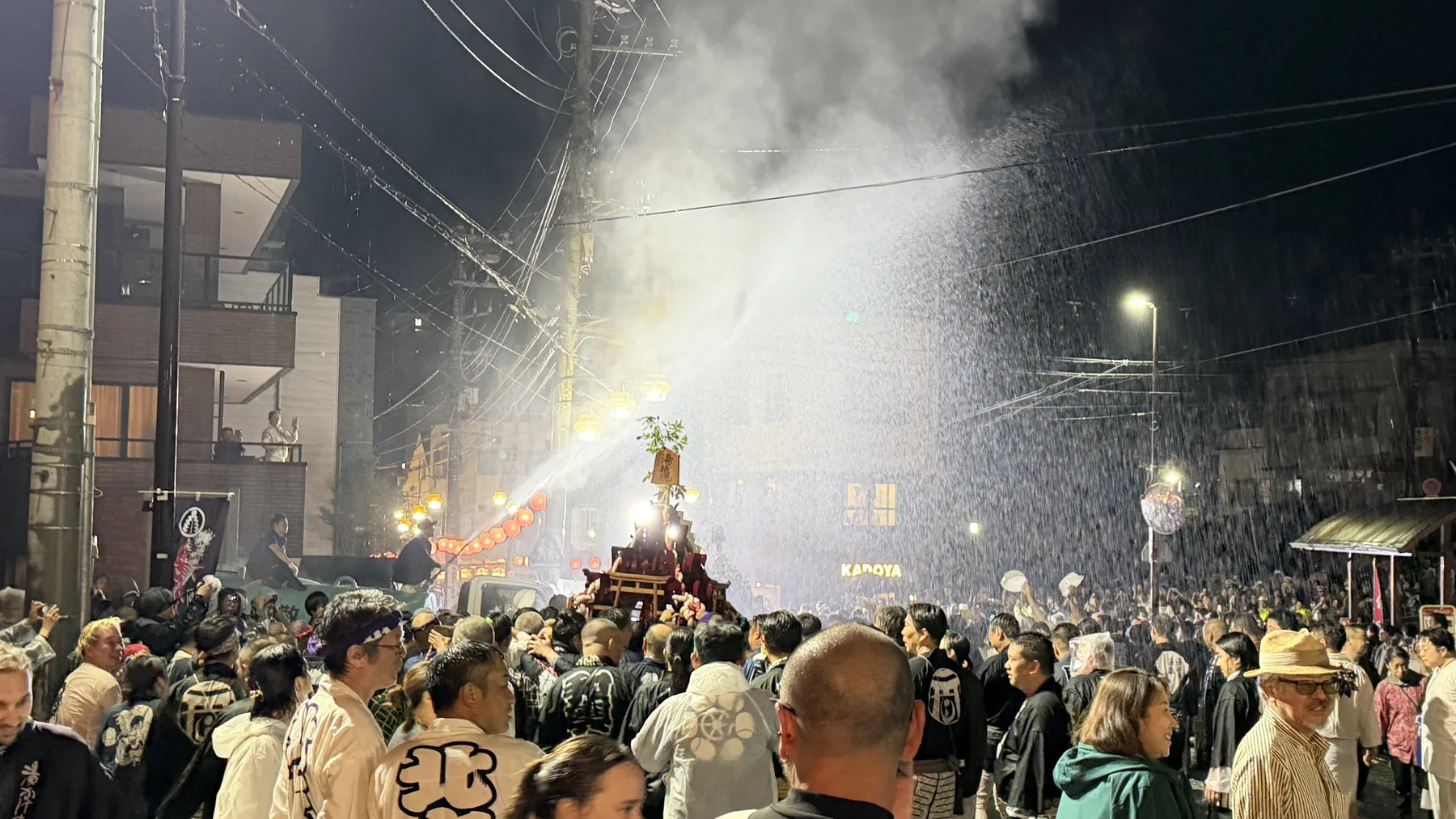
Japan is full of local scenes that are easier to stumble into than to search for.
That is part of the charm, but it is also a real limit. If an event only reaches people who already follow the venue, know the promoter or understand the local vocabulary, the scene stays smaller than it needs to be.
Live music is the example I know best, from years of producing events and building Music in Japan. The same pattern shows up in food events, craft markets, rural festivals, small exhibitions, neighborhood bars, independent galleries, workshops and local tourism projects. There is plenty worth finding. The ways of finding it are weak.
Is event discovery just marketing?
It is easy to treat event listings as promotion: post the flyer, add the date and hope people come. That misses what good discovery actually does. A clear event page reduces uncertainty. It helps someone decide whether to go, whether to bring a friend, whether to cross town or book a hotel, and whether to follow the venue next time.
For a local scene, every bit of added clarity lowers the barrier for a new person to take part. The best listings answer practical questions without making the event feel generic:
- What is happening?
- Who is it for?
- Where is it?
- When does it start?
- How do I get in?
- What should I expect when I arrive?
- Where did this information come from?
- Is it still current?
None of that is glamorous, but it is the bridge between interest and attendance.
Why is context the problem in Japan?
Japan is very good at producing dense, high-context cultural information. A flyer can carry a great deal if you already know the codes. A venue schedule makes perfect sense to regulars. A local tourism page works if you already know what you are looking for.
The trouble starts when someone is interested but not yet inside that context. It might be a visitor, a foreign resident, a Japanese person who has just moved to a new city, or a fan of one artist who would enjoy three related events if the connections were easier to follow. Poor discovery makes all of them work too hard, and many simply give up.
Can discovery protect local character?
There is a bad version of discoverability in which everything is flattened into generic tourist content. That is not the goal.
The better version keeps the texture and adds just enough structure for people to enter respectfully. Clear dates, venues, genres, ticket links, source pages, language notes and neighborhood context do not erase a scene. They help the right people find it.
This matters most for small venues and regional projects, which rarely have the budget to buy attention. Their strength is specificity: a particular room, a particular sound, a particular community. Their weakness is that the specificity often stays trapped inside existing networks. Good discovery carries it outward.
Design for the decision people are making
Someone choosing a show needs more than an artist’s name. The date, neighborhood, venue, start time, price, ticket method and a sample of the music should appear together. Listings should keep a link to the original announcement and show when the details were last checked.
Scenes also benefit from pathways. Connecting artists to venues, labels, promoters and related lineups lets a listener move from one trusted recommendation into a wider local network. That is where a structured archive does more than a scrolling social feed ever can.
For organizers, submitting and correcting events has to be easy. A directory that cannot handle cancellations or lineup changes quickly will lose trust, however broad its coverage looks at launch.
What does this have to do with digital infrastructure?
When I talk about digital infrastructure in Japan, I do not only mean servers, DNS, CRMs and login access. Those matter, but infrastructure also includes the public-facing pieces that let real-world value become findable.
A clean event page is infrastructure. So is a maintained venue profile, a current calendar, a reliable source link, and structured information that helps search engines and AI assistants understand what an event is, where it is and who it is for. I wrote more about the practical side of this in a piece on event promotion and search in Japan.
Projects like MusicInJapan.com sit where culture, operations, search and public access meet. Japan has plenty of scenes worth finding. The work now is building better paths into them.
Further reading: Music in Japan needs better paths to discovery · How to find live music in Japan without an insider map · Digital infrastructure is business infrastructure