Doing business and leading teams in Japan
Shipping from Japan to the US after the de minimis exemption ended
The US ended duty-free entry for small parcels in 2025. What changed for sellers in Japan, how Japan Post shipping works now, and how to price duties into orders.
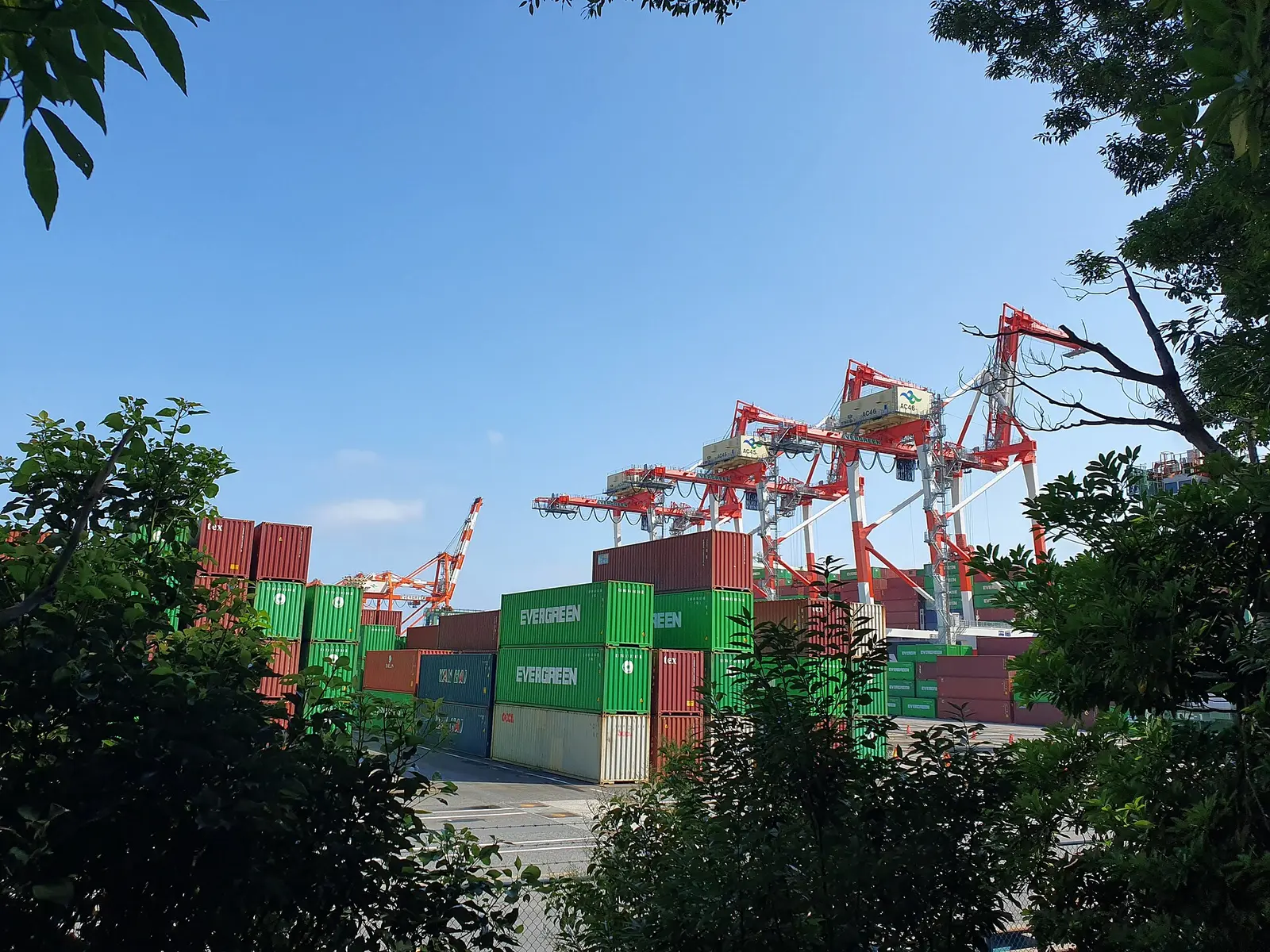

Since August 29, 2025, almost every commercial parcel sent from Japan to the United States has owed US import duty, regardless of value. The old $800 de minimis exemption is suspended for all countries, and US law now ends it permanently from July 1, 2027. For a small seller in Japan the practical question is no longer whether duties apply but who pays them, when, and how that shows up in the price the customer sees at checkout.
What was the de minimis exemption?
De minimis let shipments worth $800 or less enter the United States without duties or formal customs entry. The threshold was raised from $200 to $800 in 2016, and it made direct sales from Japan to American customers cheap and simple. A collector could order a figure from Akihabara, a knife from Sakai or a bag of tea from Shizuoka, and the parcel arrived with no extra charges.
The exemption was also used at enormous scale by large cross-border platforms, which became one of the main arguments for ending it.
What changed in 2025 and 2026?
The United States suspended de minimis for goods from China and Hong Kong in May 2025, then for every country from August 29, 2025. Many postal operators, including Japan Post, stopped accepting most US-bound merchandise in late August because there was no working system for collecting duties on postal parcels.
Video: Japan Post suspends some mail services to US over tariffs from Nippon Television News Japan.
In February 2026 the US Supreme Court ruled that the International Emergency Economic Powers Act does not authorize tariffs, which invalidated many of the tariffs imposed in 2025. The administration replaced them with tariffs under other laws, and on the same day issued a new order keeping the de minimis suspension in place. Separately, the 2025 budget law repeals the exemption in statute from July 1, 2027. Duty-free treatment for low-value commercial parcels is not coming back.
The duty rate on Japanese goods has changed several times since 2025 as the legal basis for US tariffs has shifted. It also varies by product. Always check the current rate for your product’s tariff classification rather than relying on a figure you read months ago.
Can I ship to the US with Japan Post now?
Yes, with conditions. From April 14, 2026, Japan Post resumed accepting US-bound items under a delivered duty paid system. The main rules are:
- Documents and genuine gifts worth $100 or less can be sent as before, without duty prepayment.
- Goods worth more than $100 and up to $2,500 require the sender to prepay US duties through a certified service before posting. Japan Post currently names Zonos as the certified provider, and these items are accepted only at designated post offices.
- Higher-value shipments go through a different, formal import process.
- Items worth more than ¥200,000 also need a Japanese export declaration.
The prepayment service charges its own fees on top of the duty, so check the full cost before quoting a customer.
What about couriers?
DHL, FedEx and UPS kept shipping throughout, because they already act as customs brokers. They calculate and collect duties, and they add a brokerage or disbursement fee. By default the recipient often pays on delivery, which is the worst possible experience for a customer who thought the price at checkout was final. Most couriers let you bill duties to the sender instead if you set up an account for it.
How should a small seller price US orders now?
Decide who pays duties
There are two approaches. Delivered duty paid (DDP) means you collect duties at checkout and pay them before the parcel leaves, so the customer pays nothing more on delivery. Delivered duty unpaid (DDU) means the customer pays on arrival. DDP is more work for you, but DDU produces refused parcels, returns and angry reviews.
Show the landed cost at checkout
Ecommerce platforms such as Shopify can calculate and collect duties and import taxes at checkout for international orders. If your shop runs on a platform without this, a duty calculation service or a flat allowance built into US shipping rates is better than surprising the customer.
Classify products correctly
Duty depends on the product’s tariff classification (HS code) and country of origin. Record both for each product and put them on the customs declaration. A vague description like “gift” or “goods” invites delays.
Recalculate your margins
Add duty, prepayment or brokerage fees and the extra handling time to your costs for US orders. Some products will still sell well at a higher price. Others may make more sense in bundles that spread fixed fees across a larger order, or may no longer be worth selling to the US at all.
Tell customers what to expect
A short note on the shipping page explaining that US orders include duties, or that duties are collected on delivery, prevents most complaints.
Is there still an opportunity for sellers in Japan?
American demand for Japanese products did not disappear. What disappeared was the easy version of cross-border selling. Sellers who handle duties cleanly, quote an honest landed price and ship reliably now compete with fewer rivals, because many casual sellers and marketplace listings dropped out. Awkward work that others avoid is often where a small business finds room, as I argue in blue ocean strategy in practice. Proxy shopping and forwarding services still operate, but they face the same duties and must pass them on.
The work that matters is operational: product data with correct classifications, a checkout that shows the full price, a payment setup that handles foreign cards, and a shipping process that attaches the right paperwork every time. My guide to accepting payments in Japan covers the payment side. If you make a product and want a partner to handle ecommerce and distribution, that is what my white-label work covers. Direct overseas sales matter most to small makers such as Japan’s craft workshops, where pricing and direct sales now matter as much as skill.
Further reading: blue ocean strategy in practice · overlooked markets in Japan · Japan business execution in 2026