Doing business and leading teams in Japan
Overlooked markets in Japan: finding them and testing them
Japan has real demand that large companies and standard market reports miss. How to spot overlooked markets, and how to test whether one is a business.
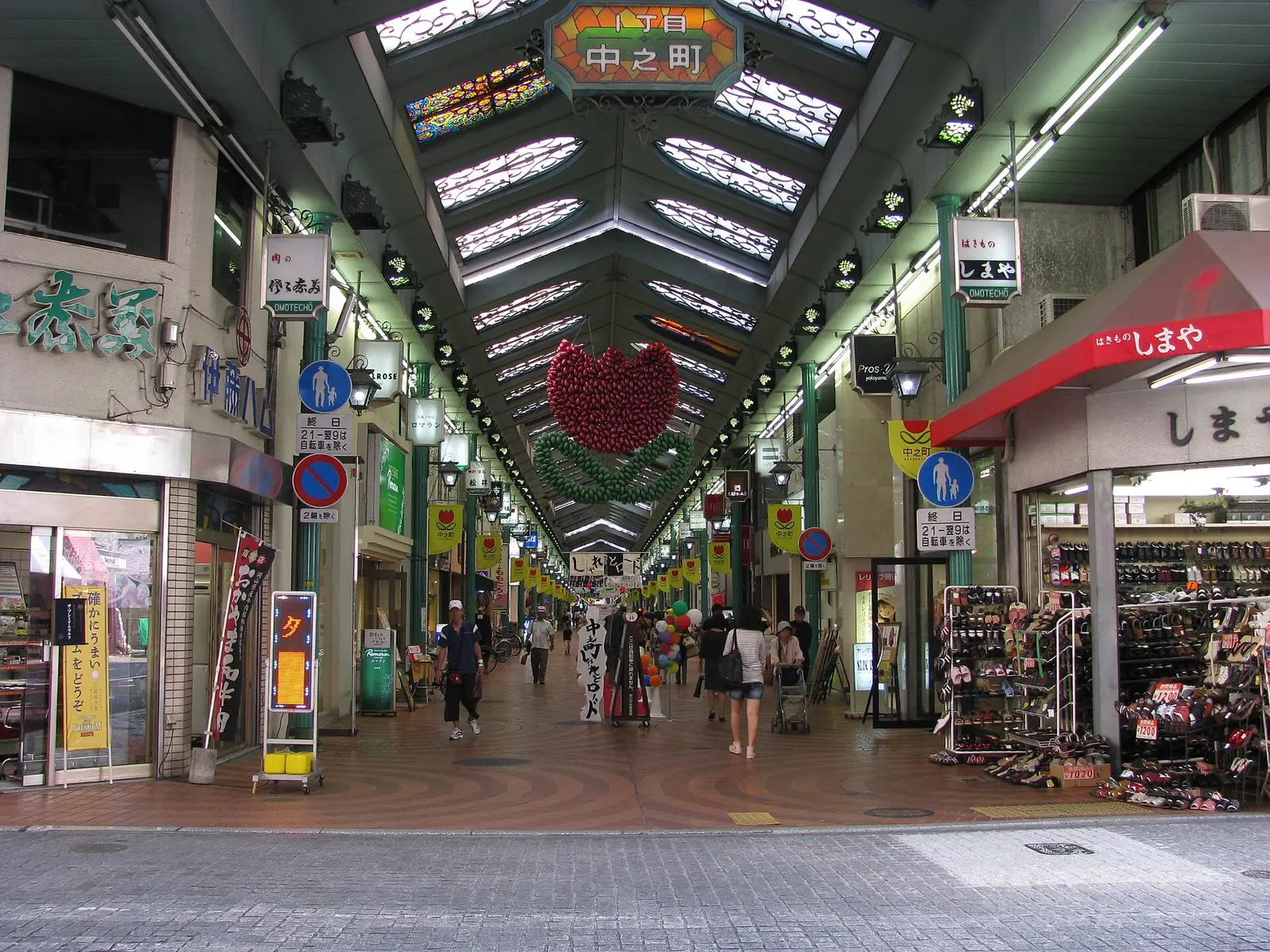

Japan has real demand that large companies and standard market reports miss, usually because the customers are small, scattered, rural, foreign or hard to reach through existing channels. Those gaps can be good businesses. They can also hide costs that explain why nobody has served them yet. The work is to turn scattered information into a decision you can defend, then test it with paying customers before committing serious money.
Why does Japan leave so many markets unserved?
Large Japanese companies are very good at refining what already exists. Planning cycles, consensus decision making and long relationships with suppliers and distributors reward steady improvement of known products for known customers. They make it hard to justify a new line of business whose market does not show up in any existing report.
That produces a particular kind of blind spot. Corporate data describes current customers and current products. It says little about the problems those products do not solve, so a need can be widespread and still invisible to the people with the capital to meet it.
Several features of the Japanese market widen the gap:
- Layered distribution. Many industries still move goods through several levels of wholesalers, which makes direct offers slow to appear and expensive to launch.
- Small transactions. Cheap rural property, niche services and low-volume craft goods earn intermediaries too little to be worth their time.
- Scattered information. Data sits across municipal websites, paper notices, local associations and people’s memories, so nobody can size the market from a desk.
- Language. Foreign residents and overseas buyers often want things that exist in Japan but cannot find or buy them in a language they read.
Where are the overlooked markets?
Vacant houses
Japan’s 2023 Housing and Land Survey counted about 9 million vacant homes, close to 14 percent of the housing stock. For decades most were treated as a social problem rather than a market, since banks rarely lend on them, commissions are small and the records are messy. Buyers do exist, including people moving out of cities, small hospitality operators and foreign buyers, but serving them means collecting and cleaning information that nobody has organized.
I worked on that problem as a co-founder of Akiya & Inaka, through property data scraping and structuring, client searches, inspections and coordination with municipalities and local providers. The lesson I took from it is that the market’s value depended on the information work. I wrote more about that in akiya data as business infrastructure.
Independent culture and niche tourism
Japan’s independent music, craft and food scenes attract visitors who want something they cannot find through mainstream channels. The obstacle is discovery. Events are announced in scattered places, often only in Japanese, and there is no single place to search. Through Kaala and Music in Japan I produced events and built archives and discovery tools for exactly this reason: the demand was there, and the information was not.
Underserved residents
Japan now has more than 3.5 million foreign residents, and many basic services, from banking and housing to insurance and healthcare, remain awkward for people who are not fluent in Japanese. The same applies to older people in rural areas as local shops, clinics and transport disappear. These groups spend money every month on services that do not fit them well.
Old products with new framing
Some opportunities are repositioning rather than invention. Japanese crafts sold only as “traditional goods” reach a small audience. The same pieces presented as design objects, gifts or durable everyday tools reach a much wider one, a pattern I cover in what craft workshops need to stay in business. Marie Kondo did something similar with tidying: an ordinary household habit was presented as a method and became an international business.
Why look outside Tokyo?
Tokyo is the obvious place to launch, and it is also the most expensive and most crowded. Regional cities and the edges of the big metropolitan areas often make better test markets. Rent and staff costs are lower, local governments are actively looking for new businesses, and a service that is missing entirely stands out quickly. Once a model works there, it can move toward the larger cities. I explore this in Japan’s third cities.
How do you test whether an overlooked market is real?
Ask whether it is hidden or simply empty
Some markets are overlooked because nobody has served them. Others are overlooked because nobody will pay. The difference only shows when real customers make a decision. Landing pages that take deposits, small paid pilots and pre-orders from a specific community tell you far more than interviews in which people say they like the idea.
Budget for educating the market
If you are first, you carry the cost of explaining the category, and a later competitor may benefit from your work. Plan for that in your numbers, and build something that is hard to copy: data you have collected, local relationships, a trusted brand in a small community or a process refined over many deliveries.
Understand why things are done the current way
A service that removes an intermediary or changes a long-standing custom can meet resistance from industry groups, regulators or local communities. Before entering, find out who benefits from the current arrangement and how they are likely to respond. Sometimes the right move is to work with the incumbent rather than around it.
Treat missing data as a cost
If you cannot find reliable figures on a market, you will have to create them yourself through field work, scraping, surveys or partnerships. That work is often where the competitive advantage comes from, but it takes time and money and belongs in the plan. Regional property is a clear example: the information buyers need is scattered and inconsistent, so anyone who organizes it has an edge.
What should investors and founders take from this?
For investors, the most promising opportunities in Japan are unlikely to appear in a broker’s sector report. They show up as friction that a specific group experiences every week. Economist Richard Katz’s Japan Economy Watch is a useful ongoing source on the structural trends behind many of these gaps.
For founders, the advice is simpler. Pick a group you understand, find the compromise they accept, and test a single offer that removes it. The operating side matters from the start: how customers book, pay and get support, and where the data lives. If you are a foreign-owned business setting up those basics, my page for foreign-owned SMEs in Japan explains how I help.
Further reading: blue ocean strategy in practice · Daikin, Elliott and the Japan Inc. value gap · why akiya information is broken