Doing business and leading teams in Japan
Japan's zombie companies are closing. Who replaces them?
Rising interest rates are pushing Japan's weakest firms out. But tighter business visa rules make it harder for new founders, including foreign ones, to fill the gap.

Japan is finally letting weak companies close. Higher interest rates and the end of pandemic support have pushed bankruptcies to their highest level in more than a decade, and the share of so-called zombie companies has started to fall. That clearing out is healthy only if new businesses arrive to take their place, and in October 2025 Japan made one route for new founders much harder by tightening its business manager visa. Renewal needs both closures and new entrants.
What is a zombie company?
A zombie company earns too little to cover the interest on its debt over a sustained period and survives only because lenders keep rolling over its loans. Japan has had many since the banking crisis of the 1990s. Decades of near-zero interest rates, government-backed lending and a banking culture reluctant to force failures kept them alive.
The pandemic added more. Interest-free, unsecured loans kept hundreds of thousands of small firms afloat through 2020 and 2021, which protected jobs at the time but also delayed closures that would otherwise have happened.
The cost is not only financial. Zombie firms hold staff, customers, premises and bank credit that more productive businesses could use, and they compete on price while barely covering their costs, which drags down margins for everyone in their sector. Healthy companies face a version of the same question about capital, as Elliott’s campaign at Daikin shows.
Why are they closing now?
The Bank of Japan ended negative interest rates in March 2024 and has raised rates several times since. Repayments on pandemic loans have come due. Energy, materials and wage costs have risen, and the labor shortage means weak firms cannot hire even when they want to.
The result is visible in the data. Japan recorded more than 10,000 corporate bankruptcies in 2025 for the second year running, the highest level in over a decade, with a record number attributed to labor shortages. Teikoku Databank’s estimates show the proportion of zombie companies falling from its pandemic-era peak.
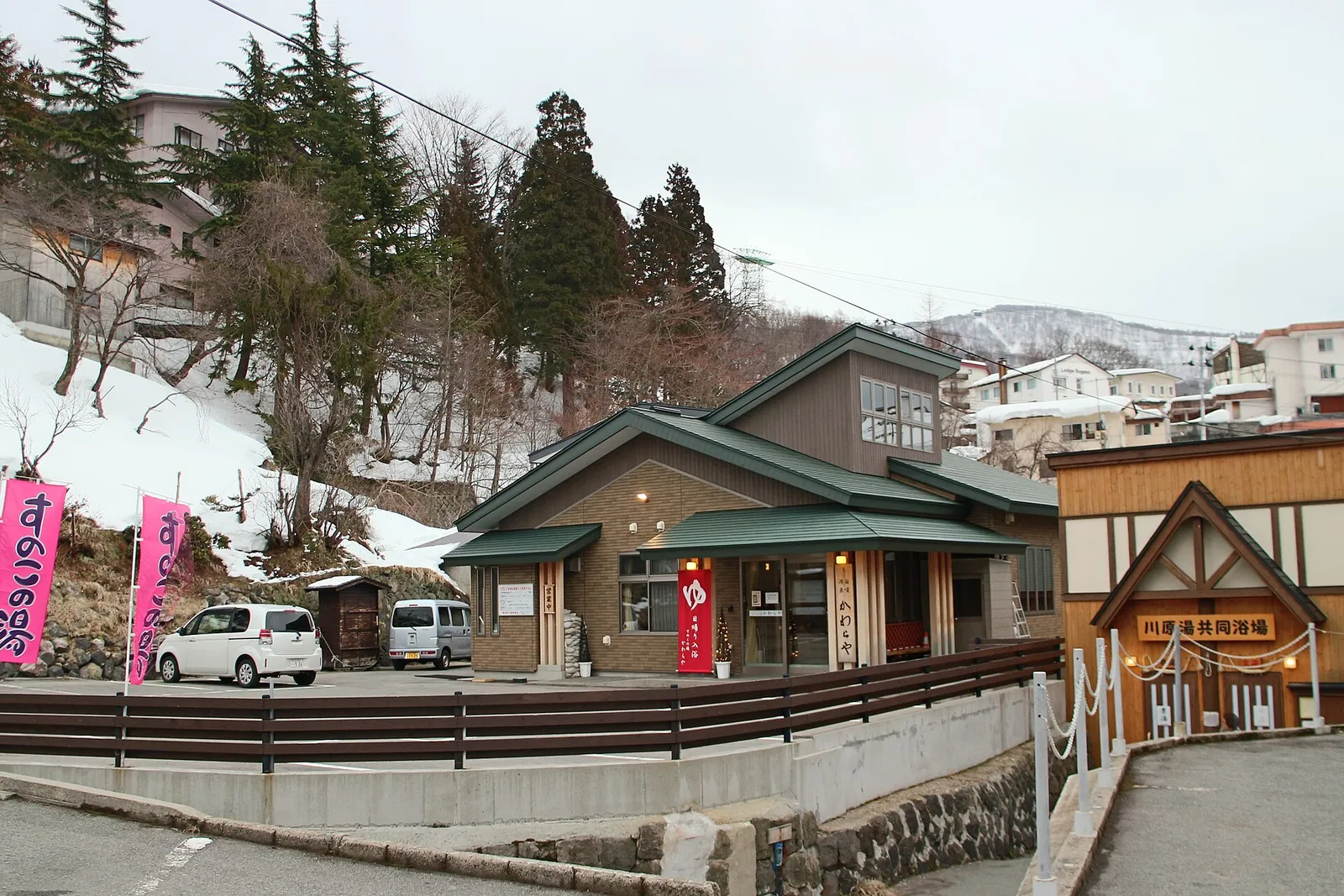
A 2025 Bloomberg feature followed this process in Zao Onsen, a hot spring town in Yamagata, where struggling family inns were taken over and modernized by a more successful local operator. That was a real improvement for the town. It was also consolidation: one established local business absorbing others, rather than someone new arriving with a different model.
What changed for foreign founders?
On October 16, 2025 Japan revised the requirements for the business manager (経営・管理) status of residence, the main visa for foreigners who start or run a company here. According to KPMG’s summary of the reforms, the main changes are:
- Capital. The minimum rose from ¥5 million to ¥30 million.
- Staff. The business must employ at least one full-time employee who is a Japanese national or a foreign resident without work restrictions.
- Japanese ability. The applicant or a full-time employee must have upper intermediate Japanese, around JLPT N2.
- Experience. The applicant needs at least three years of management experience or a relevant graduate degree.
- Business plan. The plan must be reviewed by a qualified professional such as a tax accountant or certified SME consultant.
Existing visa holders have a transition period. The government’s concern was real: the old ¥5 million threshold was being used by some applicants as a cheap route to residency with little genuine business activity. But the new rules also screen out many legitimate small founders, such as a chef opening a restaurant, a designer starting a studio or a consultant building a practice, who would never raise ¥30 million before earning their first yen.
Why does this matter for regional Japan?
The places losing the most businesses are often the places with the fewest people to start new ones. When a town’s last inn, bakery or repair shop closes, the question is who opens the next one. In a shrinking and aging population, local successors are scarce. Entrepreneurs from elsewhere, including from abroad, are one of the few groups willing to take on an empty building in a small town.
Closing weak firms while making it harder for new ones to form risks a net loss: fewer businesses, fewer services and less competition, even if the survivors are healthier. I made a related argument about immigration policy in Japan Inc.’s visa barrier.
What can founders do under the new rules?
The higher bar changes the practical routes into business in Japan.
Consider buying rather than starting
Many profitable small businesses have owners over 70 and no successor. Buying an existing company with customers, staff and premises can be a more realistic route than starting from scratch, and the capital goes into something that already earns revenue. Government-backed succession support centers exist in every prefecture.
Look at local startup programs
Some municipalities run startup programs for foreign entrepreneurs that allow a preparation period before the full visa requirements apply. The terms vary by city, so check what your preferred location offers.
Partner with a resident
A business co-founded with a Japanese national or permanent resident avoids some visa constraints, although it needs a clear agreement about control and ownership.
Build the operating basics early
Whatever the route, a business that can show proper bookkeeping, a real payroll, working systems and clear records has a stronger case with immigration, banks and partners. For foreign-owned companies that is often where the early friction lies, and it is the work I describe for foreign-owned SMEs in Japan. If the required full-time hire is still ahead of you, publishing a real salary range will make that search shorter.
What would a better policy look like?
The policy aim should be renewal, not just clearance. That means continuing to let weak firms close, while making it straightforward for people with a credible plan to open the businesses that replace them. A graduated visa, with lower capital requirements paired with closer checks on real activity, would filter out abuse without shutting out the small founders Japan’s towns need.
Further reading: Japan Inc.’s visa barrier · Daikin, Elliott and the Japan Inc. value gap · why job listings in Japan should show a real salary range