Akiya, property and regional Japan
Earthen Wall Workshop in Yugawara: Bamboo, Clay, and Real Craft
A record of the May 23, 2026 Akiyaz earthen wall workshop in Yugawara, where participants worked on the bamboo lattice that sits inside traditional Japanese mud walls.
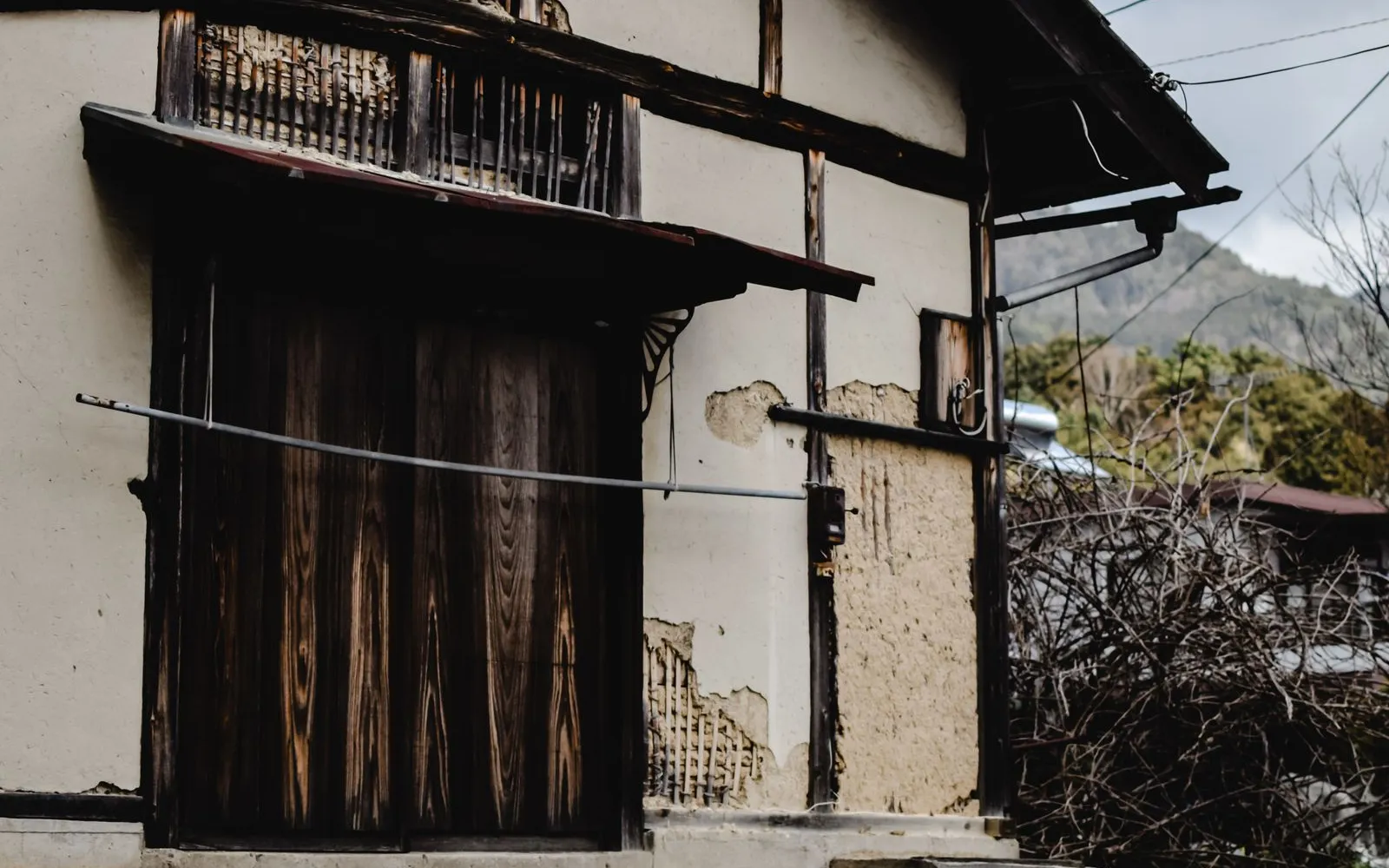
On Saturday, May 23, 2026, Akiyaz held an Earthen Wall Workshop in Yoshihama, Yugawara. The subject was simple, physical and increasingly rare: the bamboo lattice techniques underneath traditional Japanese mud wall construction. This post was first published as the announcement a week before the workshop. The date has passed, and it now serves as a record of what the day covered and why it was worth doing.
The workshop was not a lecture about heritage from a safe distance. It was a hands-on day for people who wanted to understand how old buildings are actually put together, working on the latticework that holds a traditional earthen wall. That hidden structure is what makes a historic house more than a nostalgic surface.
People could take part fully or come to observe and ask questions. The main advice in the listing was practical: wear clothes that can get dirty.
Event details as announced
- Date: Saturday, May 23, 2026
- Time: 10:00 to 15:00 JST
- Location: Yoshihama, Yugawara, Ashigarashimo District, Kanagawa
- Host: Akiyaz
- Capacity: about ten places, with registration approved through Luma
Why Yugawara?
Yugawara suits this kind of work. It is close enough to Tokyo to reach for a day, but far enough away that the pace changes. The town still has the conditions that make a workshop like this meaningful: old houses, steep neighborhoods, empty buildings, local memory, and residents deciding what should be repaired, reused or allowed to go. I spend a lot of time there, and the town is also home to Yugawara Club, one of my independent projects. In December 2025 I co-hosted Winter Nights in Yugawara there, a small gathering around food, fire and hot springs.
That is the setting Akiyaz works in. Vacant property is a real estate problem, but it is also a problem of passing on knowledge. Once the people who know how to read, repair and live in these buildings are gone, the buildings become much harder to save. The market can find cheap houses. It cannot easily replace skills that were never written down.
Why does the bamboo lattice matter?
Traditional Japanese earthen walls, tsuchikabe, are far more than mud on a frame. A lattice of split bamboo or wood, called komai or takekomai, is tied into the building’s structure. Clay, sand, straw and other local materials are then applied in several coats, each left to dry before the next.
The result behaves differently from modern industrial materials. Earthen walls hold heat and moisture, and they age in their own way. The JAANUS entry on tsuchikabe gives a concise technical definition, and a paper on J-STAGE examines the heat and moisture properties of materials applied with traditional techniques.
Reading about it only gets you so far. You understand it by handling the material, seeing how the lattice is tied, feeling how much labor goes into a single wall, and realizing how much old Japanese architecture depends on slow work that modern renovation tends to rip out.
Preservation needs participation
Japan uses the language of preservation readily. “Heritage” and “traditional culture” come up easily in tourism copy and policy documents. Preservation that relies only on admiration is weak, though. A craft survives when people practice it, pay for it, host it, document it and create enough demand for the knowledge to keep moving.
That is why small workshops matter. One day of lattice work does not solve Japan’s vacant house problem or reverse the decline of rural towns. What it does is more practical: it puts people in the room with the work, and turns “old house” from a lifestyle fantasy into something physical.
The distinction matters for anyone thinking seriously about rural revitalization in Japan. Akiya work cannot be reduced to listings, social media posts or renovation mood boards. The real question is whether a place can support the skills, systems and relationships needed to bring old buildings back into use.
Who was it for?
The workshop was aimed at anyone curious enough to get their hands dirty: akiya owners and would-be buyers, architects, designers, builders, preservationists, craftspeople and people working in rural property. It was equally open to people with no plans to renovate anything who wanted a closer understanding of Japanese building materials.
For people whose idea of old houses comes from polished travel content, a day like this gives a more honest reference point. For people already renovating, it builds respect for what sits inside the walls before the conversation turns to finishes.
Akiya work is cultural work
Not every old building should be saved. Some are too far gone, some have no workable use, and some belong more to memory than to the future.
The buildings that are worth saving need more than money. They need people who understand the materials and the local constraints, and who can tell what requires a specialist, what a motivated owner can learn, and what is best left alone. I keep returning to this in my writing on entrepreneurship and rural revitalization and on the artisan mindset: culture survives through use, adaptation and competent work.
The workshop was a small, practical version of that argument. Old buildings are not abstractions. They are the result of labor, material, weather, patience and care, and the best way to understand that is to tie a lattice yourself.
For future Akiyaz events, check Akiyaz directly.
Further reading: what Japan’s craft workshops need to stay in business · Winter Nights in Yugawara · Japan entrepreneurship and rural revitalization · why akiya in Japan are hard to buy