Akiya, property and regional Japan
Regional revitalization in Japan needs working businesses
Vacant buildings and quiet landscapes only revive a region when someone runs a business in them. How to approach regional Japan: trust, a real service and operations.
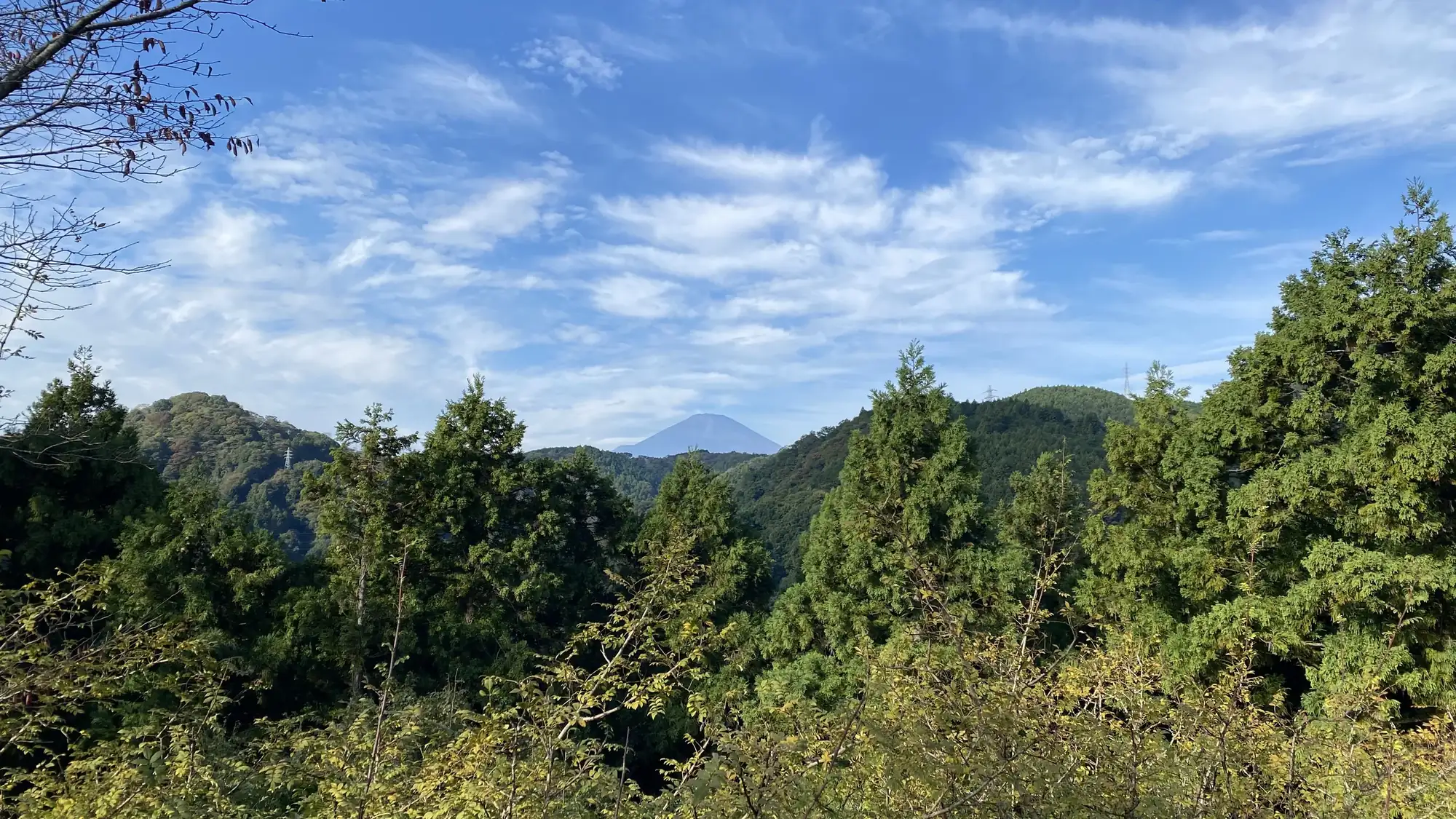
Regional revitalization in Japan works when a specific business serves specific customers and someone is willing to run it for years. A vacant building, a beautiful valley or a generous subsidy is a starting point, not a plan. The regional projects that last usually combine an underused asset, a clear reason for people to come or stay, and an operator who has earned the trust of the community around it.
What is actually available in regional Japan?
The obvious answer is space. Japan’s 2023 housing survey counted a record 9 million vacant homes, about 13.8 percent of the housing stock, and the share is far higher in some rural prefectures. Houses are only part of it. Closed shops, former company dormitories, workshops, warehouses and schools sit empty or underused in towns that once needed them.
That supply is real, but most of it is not an opportunity by itself. Many buildings need structural work, some sit in places with no demand, and a surprising number have unresolved ownership or inheritance issues. The value appears when a building can be matched to a use and an operator. I discuss the information side of that problem in why akiya information systems are broken.
The second resource is attention. Parts of Japan are crowded with visitors while regions with excellent landscapes, food and culture see relatively few. Prefectures such as Nagano, with mountain resorts, hot springs and national parks, can offer experiences the busiest cities cannot, provided the visit is easy to plan and book.
The third is a gap in basic digital tools. Many regional businesses still run on phone reservations, paper ledgers and fax. That is a burden for them, and it is also an opening for anyone who can offer simple online booking, clear information and reliable payments.
Why do outside projects in rural Japan fail?
Most of the failures I have seen share a cause: the project was designed somewhere else and presented to the community rather than built with it.
In Tokyo, a good proposal and a credible company can open doors quickly. In a small town, trust carries more weight than the proposal. People want to know who you are, whether you will still be there in five years, and whether your plan respects things they care about: the festival, the shrine, the fields, the family that owned the building. Newcomers who arrive as saviors tend to get polite cooperation and very little real help.
The other common failure is financial. A project designed around a subsidy works until the subsidy ends. Maintenance, insurance, snow removal, repairs and staffing continue whether or not a grant is renewed.
How should a newcomer approach a regional community?
Take part before you pitch
Spend time in the place as a participant rather than a visitor. Join a volunteer group, help at a festival, become a regular at the local café, and learn who makes decisions and who quietly holds influence. This takes months, not weeks. It also teaches you things about the local economy that no report or listing contains.
Start with a shared space
Many successful regional projects began with a modest shared space, a place that is neither home nor work: a small bookshop with a coffee counter, a community room with reliable Wi-Fi, a shared workshop. These places let residents and newcomers meet on neutral ground, and they often become the setting where larger ideas take shape with local support. A renovated akiya is often a practical home for one.
Choose one service and run it well
Pick a single thing the place needs or a visitor would pay for, and make it work: an inn, a café, a guided experience, a workspace, a product sold online. Scale comes after a year or two of reliable operation, not before.
What kinds of regional businesses are working?
The examples I find most convincing are small and closely tied to their location.
- Inn and ryokan renovations. Traditional inns reworked as boutique lodging, long-stay accommodation or retreat venues, keeping the architecture and updating the operation. I wrote about the due diligence behind one such property in Norikura Kogen.
- Onsen-based experiences. Hot spring towns adding longer stays, wellness programs or remote-work packages, built around a resource that already draws visitors.
- Micro-producers selling online. Food, craft and small manufacturing businesses that reach customers across Japan and overseas through e-commerce, without depending on local foot traffic. Japanese Jesus, my clothing project built on a village legend in Aomori, is a small test of that idea.
- Culture visitors cannot find yet. Music scenes, workshops and festivals that exist but are invisible to outsiders. Aizu is a good example of a region with more to offer than its famous castle.
Government programs support some of this. The national Regional Revitalization 2.0 policy adopted in 2025, along with prefectural and municipal programs, offers relocation support, renovation grants and startup funding. They are worth using, but they work best as a bonus to a business that already makes sense.
What does a working regional business need?
Behind every successful regional business is operating work that visitors rarely see. People need to be able to find it, understand it and book it. Payments need to work for domestic and international customers. Staff need schedules, procedures and a way to share information. Maintenance needs a record and a budget.
This is where I usually come in. I help regional projects document their property and place through media production and property documentation, and I help plan and set up the websites, bookings, payments and internal tools they depend on through Digital Baseline. A good regional business deserves systems that let it keep going after the launch.
Further reading: starting a rural business in Japan · Japan’s third cities · akiya data as business infrastructure