Akiya, property and regional Japan
Starting a rural business in Japan: what akiya work taught me
From punk shows and a hot sauce venture to rural property research, what I have learned about building a business around akiya and regional Japan: start small and specific.
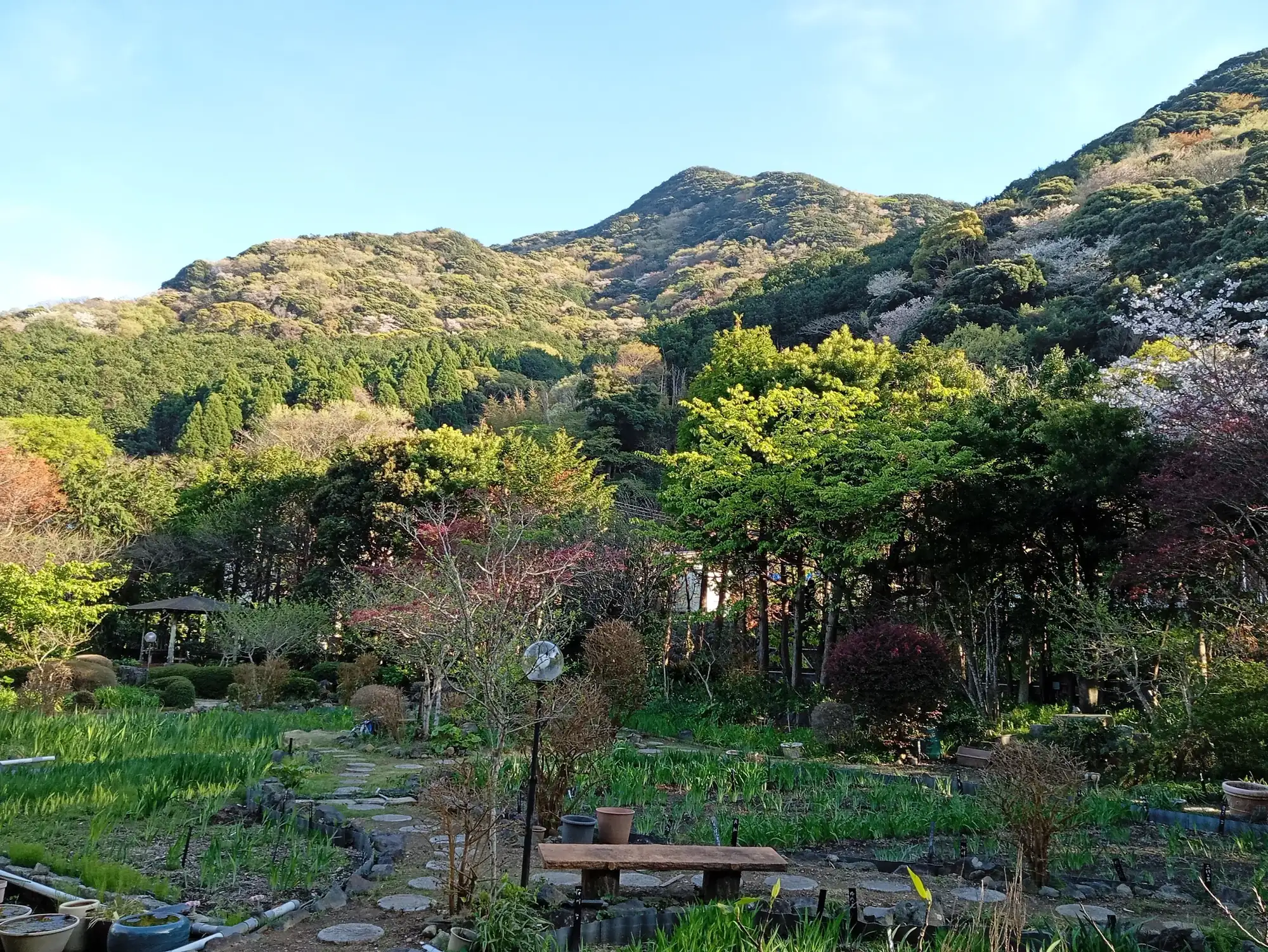
A rural business in Japan becomes credible when it starts with a specific place, a specific building and a specific way of earning money, not with a grand plan to save the countryside. That was the main point I tried to make when the hosts of the Unpacking Japan podcast asked me how my work in Japan had ended up centered on akiya, the vacant houses spread across the country. The longer answer involves punk bands, a hot sauce, a tsunami and a lot of spreadsheets.
How did I end up working on akiya?
I came to Japan for the music. The Japanese punk scene was my entry point, and it taught me something that has stayed useful in business: you can build something real without waiting for permission, as long as you do the work yourself. Over the years that turned into producing events, publishing and a series of side projects, including a hot sauce collaboration that the podcast hosts were happy to ask about.
The turn toward rural Japan came from somewhere less cheerful. I was in Miyako, Iwate Prefecture, on March 11, 2011, when the earthquake and tsunami struck. Surviving it changed what I paid attention to. In the years after, I noticed a slower kind of loss happening across the country: towns emptying out, shops closing, houses left standing with nobody to live in them. Japan’s most recent housing survey counted a record 9 million vacant homes in 2023.
That interest became work. I co-founded Akiya & Inaka and spent three years helping build its rural property consultancy. The work covered property-data scraping and cleaning, client searches, inspections, renovation planning, coordination with municipalities and local providers, and documentary production for international audiences. I later founded Akiyaz to continue independent property research and due diligence.
What did the podcast conversation focus on?
The hosts wanted practical advice for people who want to build something in regional Japan, particularly foreigners. Most of what I said came back to three lessons.
Do not start too big
The most common mistake I see is ambition that arrives before credibility. Someone falls in love with a region and presents a plan to transform an entire town: a hotel, a co-working space, a festival and a local brand, all at once. In Japan, and especially in small communities, trust is built on delivered results. A grand proposal from someone with no local track record tends to get polite nods and very little help.
Starting small is not a lack of ambition. It is how you earn the right to do the bigger thing. One renovated house that operates well, one event that neighbors enjoyed, one supplier relationship honored for a year: those become your references.
Information is harder than it looks
Buying an akiya looks simple from overseas because the listings are cheap. The difficulty is everything around the listing. Records are inconsistent, municipal akiya banks vary widely in quality, and the details that matter (structural condition, access, utilities, inheritance status, what renovation is permitted) are often missing or out of date. I wrote about this in more detail in why akiya information systems are broken and akiya data as business infrastructure.
Local people change the plan
Neighbors, tradespeople and municipal staff know things that no listing or report contains: which roads close in winter, which buildings flood, who has been trying to sell for years and why. Talk to them early enough that what they tell you can still change your plans.
How do you plan a rural business around an akiya?
If I compress the practical advice from that conversation, it comes down to a sequence.
- Choose a place and a use. A specific municipality, a specific building and a clear idea of how it will be used: lodging, a shop, a studio, a workplace or housing for staff.
- Confirm the basics before you buy. Access in every season, water, sewage, electricity and internet, structural condition, and what zoning and building rules allow. A low purchase price can be a small part of the total commitment once renovation, taxes and repairs are counted.
- Identify the operator. Someone has to run the property after launch, handle guests or tenants, and deal with the burst pipe in February. If that person is you, be honest about how much time you will spend there.
- Make the numbers work without a grant. Subsidies and renovation grants can reduce the initial cost, and many municipalities offer them. Recurring revenue still has to cover maintenance, insurance, staffing and taxes after the grant is spent.
- Build the operating systems early. Bookings, payments, guest messaging, cleaning schedules and maintenance records decide whether a small rural business survives its second year. Setting them up properly before opening is cheaper than fixing them in peak season.
What makes an akiya project succeed?
The projects I respect connect an underused building to a real audience, local or visiting, and have someone patient responsible for operating it. They are specific about who the customer is, honest about costs, and built with the community rather than presented to it. The ones that struggle usually began with the purchase price and worked backwards to a purpose.
Larger properties follow the same logic with more at stake. I wrote about a four-building onsen ryokan in Norikura Kogen as an example of what serious due diligence looks like on an operating asset.
If you are planning a rural venture and want help with the property research, the documentation or the operating systems behind it, my media production and property documentation work covers the field side, and Diagnostics covers the tools and workflows a small operation will depend on.
Further reading: regional revitalization needs working businesses · Aizu and rural tourism · what rural Japan needs from big technology investment