Japan economy, policy and society
Cuteness, play and adult life in Japan
Cuteness can make room for play in adult life. That is an interesting cultural subject without assuming that a person's taste in characters or objects reveals a psychological diagnosis.
.jpg)
Why is Japan so full of cute things?
The air conditioning in my Meguro office stopped working on a humid August afternoon and settled for a low, apologetic hum. Waiting it out, I kept returning to an argument I had read from the demographer Lyman Stone. He suggests that Japan’s enthusiasm for kawaii, the culture of cuteness, is partly adults reclaiming a childhood that school and work squeezed out of them.
It is a provocative idea, and it connects to something I have written about before: the gap between Japan’s playful international image and the working life behind it. I find the theory interesting. I also think it goes too far when it treats every adult with a character keychain as a case study.
Cuteness as a public language
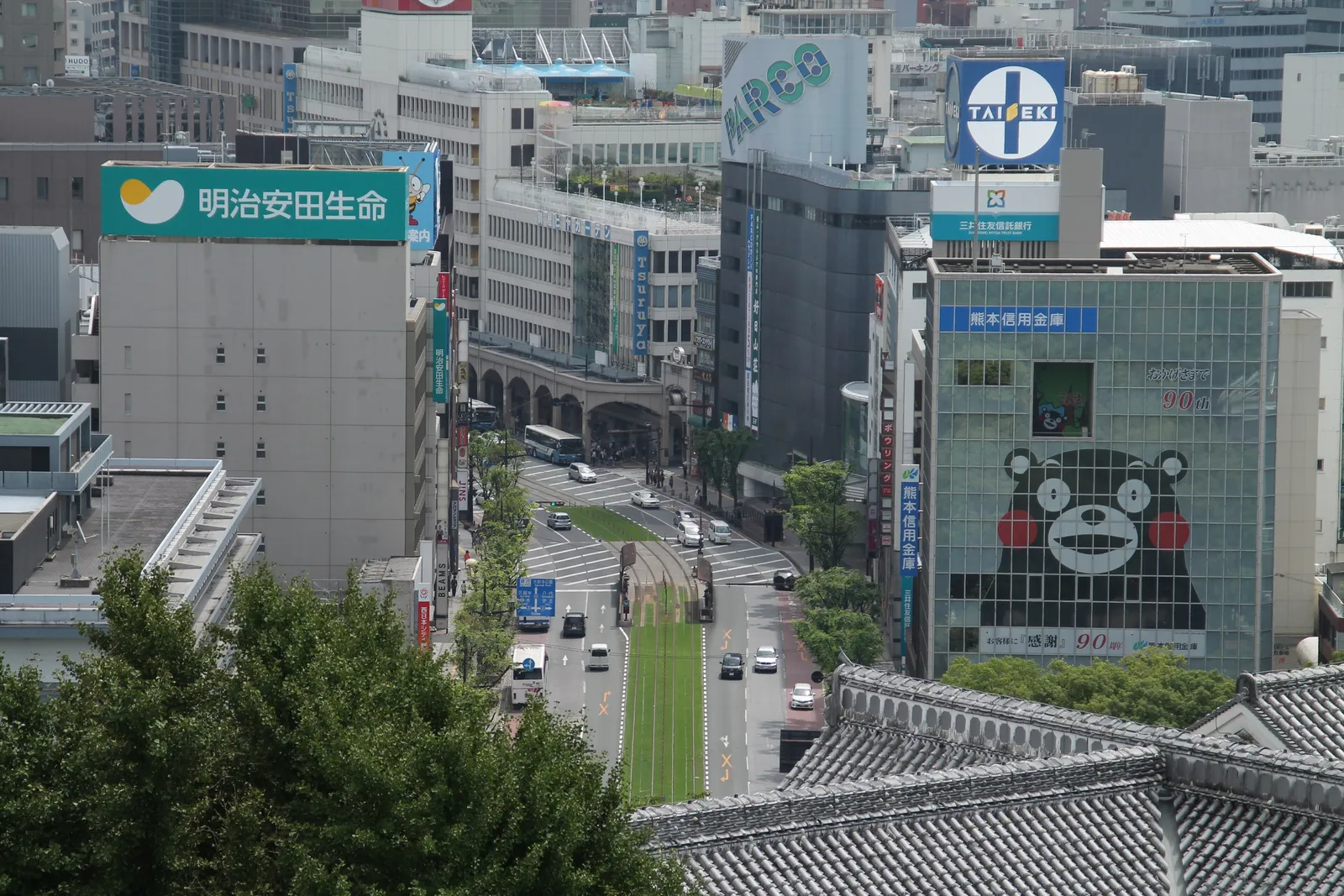
Kawaii is not reserved for children in Japan. Prefectures, police departments and tax offices have mascots. Construction barriers carry bowing cartoon animals that apologize for the inconvenience. Banks, railways and convenience stores use characters to explain rules, soften warnings and make a queue feel less officious.
That makes cuteness a practical communication tool. A friendly character lowers the temperature of a message and invites cooperation instead of demanding it. The design features are well understood: large eyes, round shapes and small proportions trigger a protective, affectionate response. What began as a teenage handwriting and stationery trend in the 1970s grew into a commercial force and one of Japan’s most recognizable exports. The Conversation has a concise history of how kawaii spread.
The reclaimed childhood theory
Stone’s argument starts with Japanese schooling. Critics have long described a system built on exams, cram schools and group conformity, where “the nail that sticks out gets hammered down” is practical advice. If childhood is spent preparing for adult evaluation, the argument goes, adults later look for the play they missed, and cute characters, games and fantasy worlds provide it.
There is something to this. Adult life in Japan often involves long hours, rigid hierarchy and careful self-presentation. It is not surprising that people value spaces where they can be silly, affectionate or unguarded. Research on Japan has also documented how the transition to adulthood has become longer and less predictable, with education, work, marriage and independence arriving later and in less fixed order.
Where the theory needs care
The weakness is the jump from a social pattern to a diagnosis. Liking a character does not prove someone was denied a childhood, and plenty of people with happy school years enjoy cute things. The same caution applies to reading a prime minister’s love of heavy metal as a statement of values. Treating an entire culture’s taste as a symptom flattens the variety of reasons people engage with it: humor, nostalgia, design appreciation, fandom, friendship and plain enjoyment.
Other explanations also carry weight. Shinto’s animist tradition makes it natural to give objects and places a personality. Japanese aesthetics have long prized the small and delicate, from netsuke to bonsai to haiku. Postwar consumer culture, manga and anime gave those instincts an enormous commercial outlet. And companies discovered that a character can carry a brand across ages and borders in a way a logo rarely does.
A better reading is that kawaii makes room for play in adult life. That room may matter more in a demanding work culture, but it does not need a trauma story to be valuable.
What businesses can learn from it
For anyone communicating with Japanese customers, kawaii is worth understanding as a tool rather than a quirk. Local governments use yuru-chara mascots to give a town a memorable face. Service businesses use characters to explain procedures that would otherwise read as cold instructions. Brands use them to make a first interaction feel safe.
The lesson carries beyond cuteness. People respond to messages that feel considerate and easy to approach. A clear, friendly visual identity and plain instructions often do more for adoption than another feature. The same principle shapes how I design websites and customer-facing systems: reduce the friction and the sense of being judged, and people are more willing to try the thing you are offering.
Play is not a failure
Kawaii’s success says something real about Japan. Its public spaces and companies found a way to be gentle in a society that asks a lot of people. Whether that gentleness is compensation for a lost childhood or simply a cultural preference for warmth, it gives adults permission to enjoy something without justifying it. That seems healthy to me, not tragic.
Further reading: Japan’s reputation and the experience behind it · a politician’s music taste is not a policy position · tourism in Kyoto: behavior, capacity and clear information · room for psychedelic art in a professional identity