Websites, events and customer systems in Japan
Making an unfamiliar product easier to adopt
A washlet is ordinary in Japan and strange elsewhere. Adoption depends on answering real questions about comfort, installation, maintenance and whether it is worth the cost.
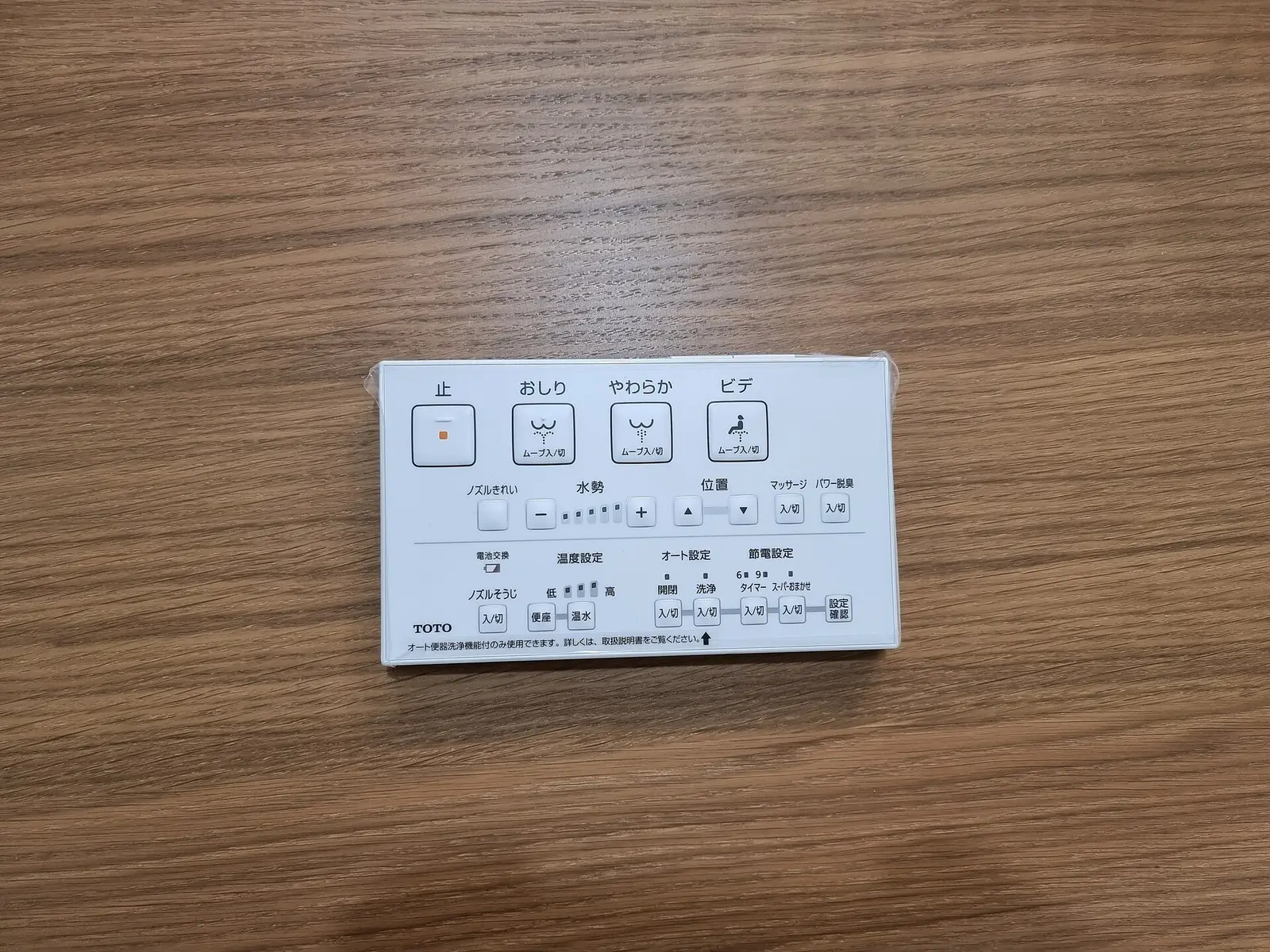

A product can be completely ordinary in Japan and need a lot of explaining everywhere else. The heated, bidet-equipped toilet seat is the clearest example I know. TOTO introduced its Washlet in 1980, and the name has become the everyday word for the whole category here. Most homes in Japan now have one, along with most offices, stations and department stores. Visitors often go home talking about the toilets before the temples.
Outside Japan, the same product still meets hesitation. That gap is interesting, and I think it says more about how people adopt unfamiliar things than about toilets.
Why is it normal here?
From my office window at lunchtime, I can watch the part of Japanese life that visitors rarely associate with calm: ramen counters turning over seats in minutes, delivery bikes threading between pedestrians, staff wiping down surfaces between every customer. The pace is fast, but the expectation of cleanliness never slips.
That expectation is part of the background. People take shoes off indoors, keep separate slippers for the bathroom, bathe every evening and treat public spaces with care. A device that washes rather than wipes fits naturally into those habits. It did not need to be sold as a revolution. It solved a problem people already cared about, and once enough homes and public toilets had one, it simply became the standard.
Why does it stall elsewhere?
In many countries, the washlet arrives without that background. Buyers have questions, and most of them are reasonable:
- Comfort: Is it pleasant, or awkward? Will guests know how to use it?
- Installation: Does it need an electrical outlet near the toilet? Will it fit the existing bowl? Do I need a plumber?
- Maintenance: How do I clean the nozzle? What happens if something breaks?
- Cost: Is the benefit worth the price of the unit, the installation and the electricity?
- Hygiene: Is it actually cleaner, or just different?
Loud marketing does not answer any of these. A product that is obviously better to people who already use it can look like a gadget to people who have never tried one. The temptation is to raise the volume, positioning the product as a revolution in lifestyle or health. That usually makes skeptics more skeptical.
What actually helps adoption?
The more useful approach treats each question as a piece of friction to remove.
- Let people try it. Trial beats argument. Hotels, restaurants and offices that install washlets do more for adoption than advertising, and many visitors to Japan become converts after a week of using them.
- Make installation boring. Clear information on bowl compatibility, the need for a nearby outlet, and whether a plumber is required removes one of the biggest reasons people hesitate. Partnerships with retailers and installers that make it a simple, fixed-price job help even more.
- Offer a clear range. A simple entry model that covers the essentials lets people start without committing to the top of the line. Heated seats, drying and automatic lids can come later.
- Explain maintenance honestly. People trust products that tell them how to clean and care for them. Hiding that information makes buyers suspect it is complicated.
- Use ordinary language. Plain descriptions of what the product does, with pictures, work better than lofty claims. Nobody wants a lecture about their bathroom habits.
TOTO’s own care videos are a good example of the fourth point: a short, practical walkthrough of cleaning the seat and nozzle.
Video: How to Clean your TOTO WASHLET® Bidet Seat from TOTO USA.
Outside events can speed things up too. The toilet paper shortages early in the COVID-19 pandemic pushed many people in the United States to try bidet attachments for the first time. The product had not changed. The reason to try it had.
The wider lesson
This pattern shows up far beyond bathrooms. When a product, tool or system is familiar to the people selling it and unfamiliar to the people buying it, the sellers tend to overestimate how obvious its value is. They explain features when customers are asking practical questions about fit, effort, risk and cost. A new price has the same problem, which is why a price increase in Japan needs a plain explanation, and a company website has to answer the questions buyers actually ask.
I see the same thing in technology adoption inside companies. A new booking system or shared workspace can be clearly better on paper and still fail because nobody explained how it fits the way people already work, what it replaces and who to ask when it goes wrong. The fix is rarely more enthusiasm. It is removing friction one question at a time.
Japan got to near-universal washlets through habit, availability and time, not through a campaign telling people they were doing it wrong. That is worth remembering whenever something that feels obvious to you still needs explaining to someone else.
Further reading: what a company website reveals about the business behind it · how to raise prices in Japan after decades of deflation · Japan’s reputation and the experience behind it · Why Japanese digital transformation fails before the software