Websites, events and customer systems in Japan
How to make an event in Japan easy to find in search
Before promoting an event in Japan, give it one public page with the date, venue and a working way to book, so search engines and guests can find it.
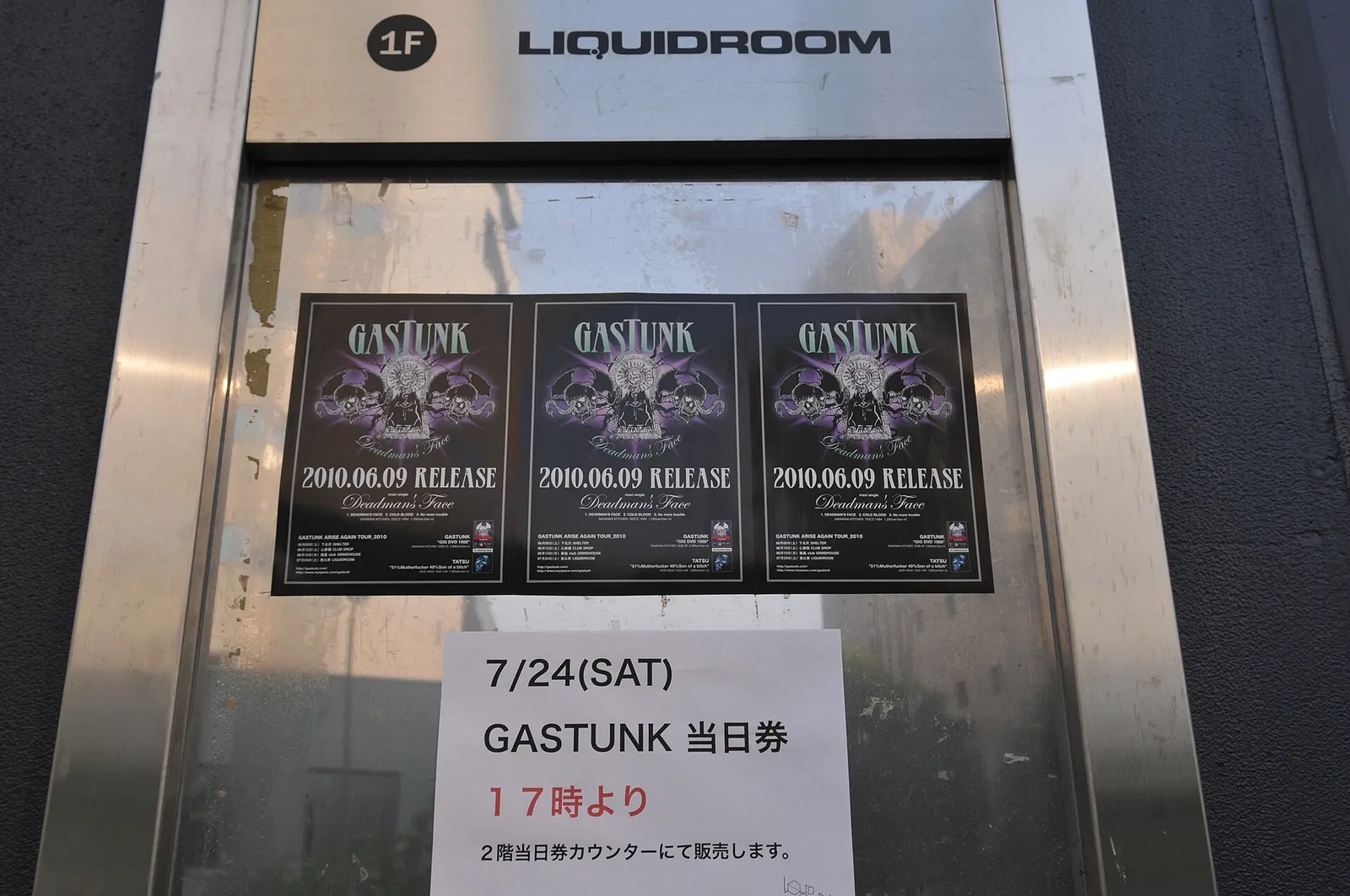

An event in Japan is easy to find when it has one stable public page that states the name, date, start time, venue and how to book, in text that search engines can read. Every poster, Instagram post, LINE message and newsletter should point to that page. If the details exist only in a flyer image, a closed Facebook group or a message that scrolls away, people who are already interested have to work to attend, and many give up.
Most promotion problems I see start there. Someone designs a good flyer, posts it, and tells friends. A week later a potential guest remembers the event, searches for it and finds nothing, or finds an old post with the wrong time. The promotion worked, but the information did not.
Why can’t people find your event online?
The common causes are simple and fixable.
The details are inside an image. A flyer posted to Instagram or X looks good, but search engines and screen readers cannot reliably read the date and venue from it. If the only copy of the start time is in a JPEG, it is invisible to search.
The event lives in a closed space. A private Facebook group, a LINE group or a members-only mailing list is fine for your existing community. None of it is visible to someone searching for the event.
There is no single source of truth. The date appears on a Peatix page, an Instagram post, a venue’s schedule and a PDF, and one of them is wrong. Guests do not know which to trust.
The page is vague. A title like “Special Night vol.3” with no location or genre in the text gives search engines nothing to match.
The next step is unclear. Guests reach the page and cannot tell whether to pay now, reply by email or just turn up.
What should an event page include?
Whether the page sits on your own website or on a ticketing platform, it should contain the same core information in plain text.
- A descriptive title that includes what the event is and where, for example “Indie live music in Shimokitazawa: [artist names]” instead of only the series name.
- Date, start time and door time in a format that is hard to misread. For bilingual audiences, write both 10月18日(土) and Saturday, October 18.
- The venue name, full address and a map link, plus the nearest station and exit. In Tokyo, the station exit often matters more than the address.
- Price and payment options, including whether you accept cards, konbini payment, PayPay or cash at the door.
- One clear booking action. A button that leads to registration or tickets, with a confirmation email afterwards.
- A short description in both languages if your audience is mixed. Put the most important facts in the first paragraph.
- A contact for questions and your cancellation policy.
How do you get an event to show up in Google?
Put it on a crawlable page with its own URL
Each event should have its own page and URL. Google’s event features require that, and it makes sharing easier. Ticketing platforms such as Peatix, Luma, Eventbrite and Connpass give each event a public page that search engines index, which is a good start. If you run recurring events, also keep a page on your own website that links to each one, so your site builds a history over time.
Add Event structured data
Google can show public, in-person events in its event search features when the page includes Event structured data with the name, start date, location and ticket information. Many ticketing platforms add this automatically. If you publish events on your own site through WordPress, Webflow or a similar CMS, add it yourself or use a plugin that does. Online-only events are not eligible for that experience, but a clear page still helps them get found.
Video: Structured Data for beginners from Google Search Central.
Write the words people search for
Think about what someone would type. Usually it is a combination of the type of event, the area and the date: “live music Shimokitazawa this weekend”, “startup networking Tokyo English”, “Kamakura craft workshop”. Use those words naturally in the title, the first paragraph and the headings. Write the Japanese version for Japanese searchers, not as a literal translation of the English.
Keep the details current
When anything changes, update the main page first and then the posts that point to it. Search engines and guests both trust a page that stays accurate.
Where should you promote an event in Japan?
Once the page exists, promotion becomes a matter of pointing people to it.
- Instagram and X for announcement images and short videos, with the event page link in the bio or post.
- LINE through an official account for your regulars. Many Japanese guests read LINE messages faster than email.
- Your email newsletter for people who have attended before.
- The venue’s own channels. Live houses, hotels and galleries often publish a schedule; send them the page link and a text description, not only a flyer.
- Local listing sites and community calendars relevant to your genre or industry.
- Partners and speakers, with a ready-made post and the link.
For scenes where discovery is especially fragmented, such as independent music, I have written about the problem in how to find live music in Japan and built Music in Japan around making that information easier to search.
Connecting promotion to ticketing and payments
A findable page is only useful if booking works. The page, the registration, the payment and the confirmation should feel like one process. For The Delphi Network, a Tokyo executive events network, I built and maintain the website, domains, email, event and ticketing systems, and coordinated onboarding for a hotel venue’s event-management and ticketing services. You can read about that work on the Delphi Network project page. The lesson from that kind of work is that guests judge the event by the whole path from search result to check-in. For networking events, that path also decides whether guests leave with useful introductions.
If you are choosing how to take payment, the guide to accepting payments in Japan compares the options, including what corporate guests need to expense a ticket. For the operations after someone books, see event logistics that match the invitation.
If you run events regularly and want a website, registration and payment setup that works together, I can plan and build it with you. You can also tell me about your events.
Further reading: event logistics that match the invitation · how to get useful introductions at Tokyo business events · why local scenes in Japan are hard to discover