Websites, events and customer systems in Japan
How to raise prices in Japan after decades of deflation
Japanese customers now expect price increases, and record tourism has widened the market. How small businesses can set prices the work supports and explain them.
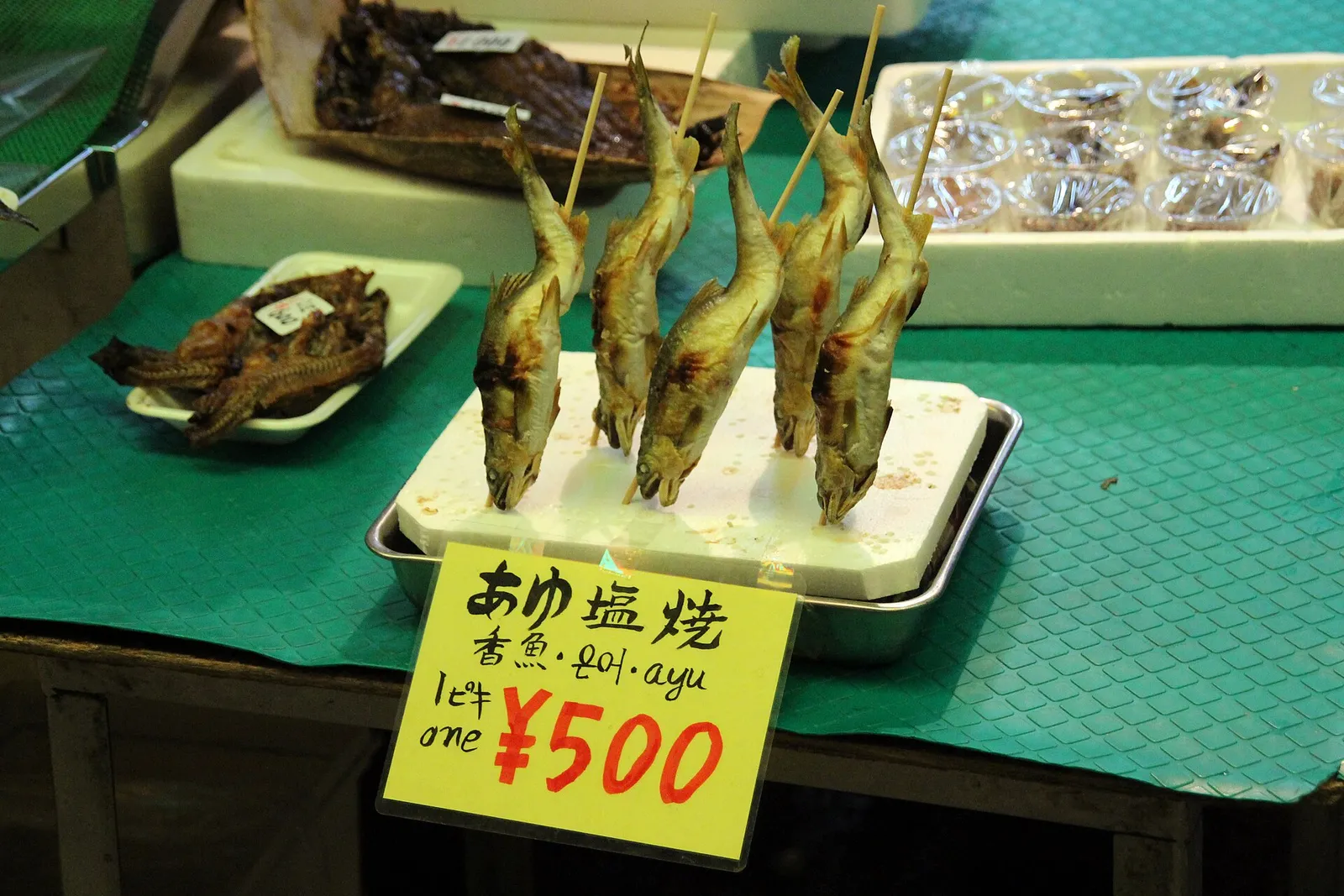

After roughly two decades of flat or falling prices, Japanese customers now expect increases, and record tourism has added a large group of buyers who judge value differently. That makes this the most realistic moment in a generation for a small business to reprice. The increase still has to rest on something concrete: what the work costs, what the customer gets, and an explanation that makes the new price feel fair.
Why was it so hard to raise prices in Japan?
From the late 1990s until 2022, Japanese consumer prices barely moved. Wages stayed flat, customers learned to expect the same price year after year, and businesses competed by absorbing costs. A price increase was treated as something close to a failure, often announced with an apology and a long explanation. Famous examples like the Garigari-kun ice pop, whose maker ran a television advert in 2016 with staff bowing to apologize for a small rise, captured how serious the taboo was.
That habit shaped pricing well beyond consumer goods. Service businesses, small manufacturers and craft producers kept prices that had been set years earlier, even as their costs changed. Many were quietly subsidizing their customers.
What has changed?
Two things.
First, inflation returned. Consumer prices in Japan have been rising faster than the Bank of Japan’s 2 percent target since 2022, driven at first by energy and import costs and a weak yen, then by food and wages. Customers now see price increases everywhere, from convenience stores to train fares, and the social cost of raising a price has fallen sharply. Wage settlements have also been the largest in decades, which makes it harder to hold prices down without squeezing your own staff. Even Garigari-kun has moved on: its maker raised the price again in 2024 and tied the increase to wages.
Video: 「ガリガリ君」80円に値上げ 来年3月から 「賃上げ」に対応【WBS】(2023年12月20日) from テレ東BIZ ダイジェスト.
Second, tourism grew. Japan received a record 42.7 million international visitors in 2025, about 10 million more than in 2019. Many visitors arrive with stronger currencies and compare prices with home, where the same meal, room or handmade object costs far more. For them a higher price often signals quality rather than greed.
Should you price for tourists?
Tourism is a useful signal, not a pricing strategy. Visitor numbers depend on exchange rates, flights, politics and the season. A business that sets prices only for tourists can lose its regular local customers and then find itself exposed when the yen strengthens or arrivals fall.
The better approach is to price from the value you deliver and the cost of delivering it, then decide how to serve each group. Some businesses create distinct products: a longer tasting menu, a workshop session with the maker, a guided version of a visit. Others keep one price and offer residents a clear discount, an approach I discuss in resident discounts versus tourist surcharges. What fails, as several restaurants have learned, is a hidden higher price for people who look or sound foreign.
How do you work out the right price?
Start from the real cost
List materials, hours, rent, payment fees, packaging, delivery and the time spent on admin and customer questions. Many small businesses have never counted the hours spent on quotes, messages and rebooking. When those are included, the old price is often below cost.
Compare with the real alternatives
Look at what customers would do instead: a competitor, a different kind of product or doing nothing. Price against those options rather than against your own history.
Separate what is essential from what is extra
A premium price is easier to defend when the offer is clearly structured. A base product at a sustainable price, with optional upgrades, lets price-sensitive customers stay while others pay for more.
How do you explain a price increase?
Japanese customers generally accept increases that are announced ahead of time and explained plainly. A short notice (値上げのお知らせ) that gives the date, the reason and what stays the same is normal practice and rarely damages a relationship. Long apologies are no longer necessary.
For products that are expensive because of how they are made, the explanation should show the work. Photographs of the process, the materials and the people involved help a buyer understand what they are paying for, especially a visitor who will never see the workshop. That kind of documentation is part of what my media production work covers. The same principle applies to any product buyers do not yet understand, as the washlet’s slow adoption abroad shows.
Do your systems support the new price?
Pricing depends on operations more than most owners expect. A business that wants to charge more usually needs:
- Reliable booking and deposits. No-shows cost more when each slot is worth more. Online booking with a deposit or cancellation fee protects the revenue.
- Payments visitors can use. International cards, Apple Pay and QR payments matter when a large share of customers are visitors. My guide to accepting payments in Japan covers the options.
- A place to change prices easily. Price lists copied across a website, a booking tool, a PDF menu and a printed sign drift out of sync. One source that feeds the others avoids awkward disputes at the counter.
- Numbers you can trust. Knowing which products and time slots are profitable tells you where the next increase is justified.
Where to start
Pick your best-selling product or service, calculate its full cost honestly and compare it with today’s price. If the gap is large, plan an increase with a clear date and explanation, and check that your booking, payment and pricing tools can support it. If those systems are part of the problem, a Diagnostics review will show what to fix first.
Further reading: resident discounts and fair tourism pricing · pricing a service so clients trust it · making an unfamiliar product easier to adopt