AI adoption for businesses in Japan
What rural Japan needs from big technology investment
SoftBank's reported trillion-dollar AI hub pitch shows how capital chases scale. Rural Japan needs patient investment in many small operators, shared systems and skills.
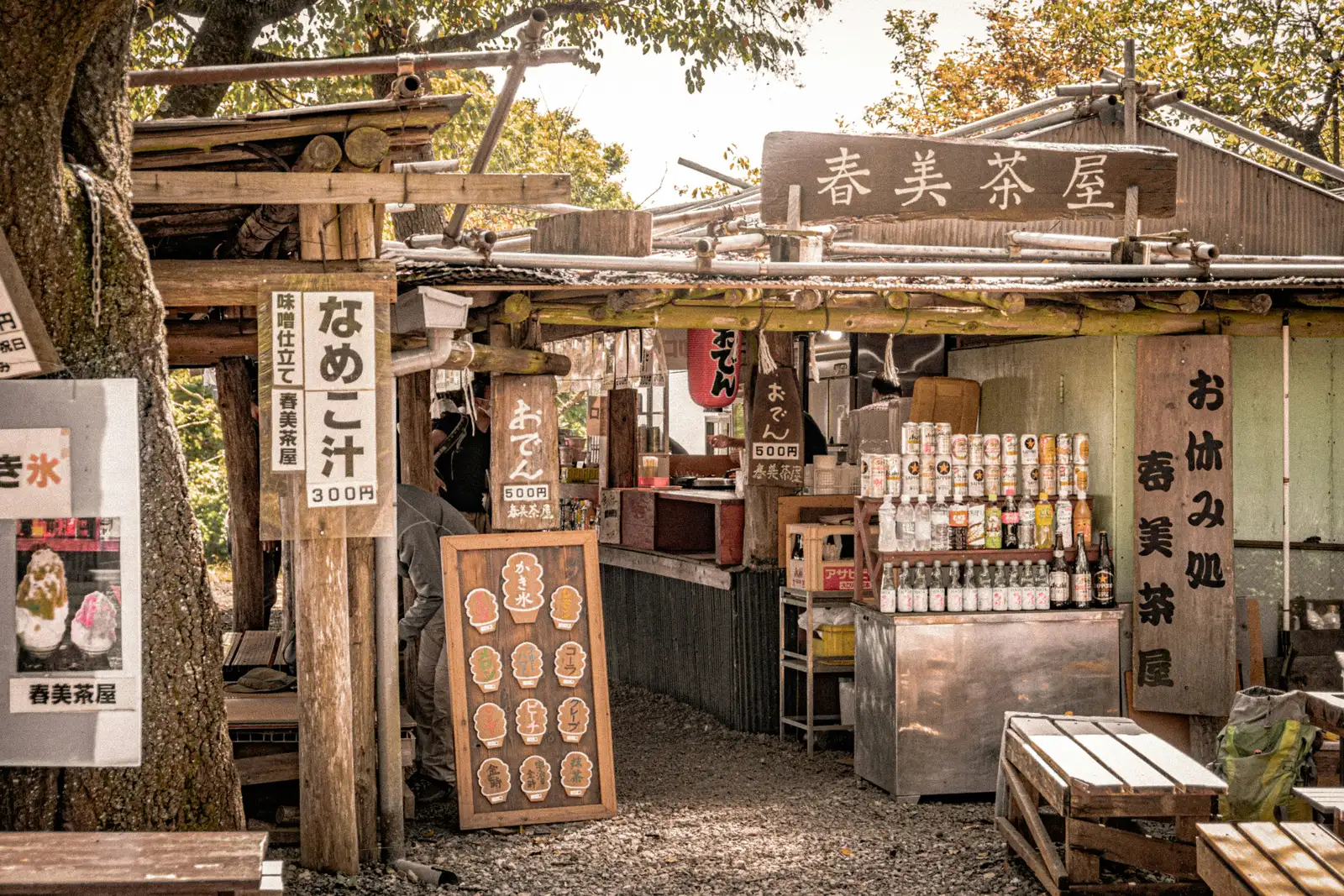
Rural Japan does not need one enormous technology project. It needs patient investment spread across many small businesses, shared digital systems those businesses can actually use, and people with the skills to run them. Venture capital built for winner-take-all companies is a poor fit for that job. The most useful investment in regional Japan looks less like a moonshot and more like infrastructure.
Why compare rural Japan with an AI city?
In June 2025, Reuters reported, citing Bloomberg, that SoftBank’s Masayoshi Son was pitching a $1 trillion AI and robotics industrial hub in Arizona. I read the news at my desk in Meguro while the neighborhood cat who lives on our fire escape left a half-eaten cicada on the windowsill, which felt like a comment on resource allocation.
The scale of the pitch made me think about the opposite end of the Japanese economy. Son built SoftBank on large bets on overlooked shifts. Rural Japan is one of the most overlooked situations in the developed world, and it is in his own country. I do not expect SoftBank to redirect a trillion dollars to Shikoku. The comparison is useful because it shows how badly the usual investment model fits the problem, and what a better one would need.
What is happening to rural Japan?
The broad trend is well known. Young people leave for university and work in the big cities and do not return. Towns age, shops close and schools merge. Japan’s 2023 housing survey counted a record 9 million vacant homes, many of them in regions that have lost population for decades. Services that depend on a minimum number of users, such as bus routes, clinics and bank branches, become harder to sustain.
The digital picture is more mixed than people assume. Japan’s fiber networks reach almost all households, including in many remote areas, so the gap is rarely the connection itself. It is in use. Many regional businesses still run on phone calls, paper and fax. Clinics, farms and small inns often lack the staff or skills to adopt telemedicine, online booking or modern farm management tools, even where the network supports them. Older residents may have broadband and still find online services hard to use.
Why haven’t government programs been enough?
The government has recognized the problem for a long time. The first regional revitalization push began in 2014, and a Regional Revitalization 2.0 policy was adopted in 2025. These programs fund relocation support, renovation, local startups and digital projects, and some of that money has done real good.
Their limits are familiar. Funding tends to arrive as short-term subsidies tied to applications and reporting cycles. Projects are often designed to meet grant criteria rather than a market. When the subsidy ends, the business has to stand on its own, and many cannot. Small municipalities also lack the staff to manage complex programs, let alone the systems a new project depends on after launch.
Why doesn’t venture capital fit?
The standard venture model looks for companies that can grow very large very fast and return the whole fund. That model has produced remarkable companies, but it is designed around a few big winners and many failures.
A regional economy works the other way. It is healthy when many modest businesses survive for decades: an inn, a food producer, a repair shop, a café, a guide service, a care provider. None of them will become a unicorn. Pushing them toward hyper-growth usually destroys what made them viable. The measures that matter are different: years of operation, local employment, repeat customers and whether the business can be handed to a successor.
What would a useful large investment look like?
If a large investor did want to make rural Japan work, I would structure it around three things.
Shared systems for small operators
Most small regional businesses need the same things: a decent website, online booking, cashless payments, simple accounting, customer messaging and some way to share information among staff. Building those tools one business at a time is slow and expensive. Shared platforms, regional support teams and standard setups that a local inn or producer can adopt in weeks would lower the cost for everyone.
Patient capital with local operators
Money for regional businesses should be patient and modest in size, tied to people who will actually operate the business locally. That means loans and equity measured in years of operation rather than exit multiples, and support for succession, since many profitable rural businesses close only because the owner has no successor.
Skills that stay in the region
Technology left behind without people who understand it becomes the next abandoned asset. Investment in training local staff, supporting people who relocate from cities, and paying someone to maintain the systems matters as much as the systems themselves. Care is where this shows most clearly, as I discuss in Japan’s care technology should support caregivers.
What can a business in rural Japan do without waiting for investors?
A regional business does not need a trillion-dollar backer to improve how it runs. Most of the gains I see come from ordinary steps: moving reservations online, accepting cashless payments, writing down how key tasks are done, and cutting duplicate work between tools. Those changes make a small business easier to run and easier to hand over. They are also the groundwork that decides whether AI tools help later, as I explain in why AI adoption stalls in Japanese SMEs.
If you run or are planning a business in regional Japan, my Digital Baseline work covers choosing, setting up and handing over the websites, bookings, payments and internal tools a small operation depends on. The investment is small compared with an AI city, and it goes to the place that needs it.
Further reading: Japan’s care technology should support caregivers · why AI adoption stalls in Japanese SMEs · regional revitalization needs working businesses · starting a rural business in Japan