Akiya, property and regional Japan
Winter Nights in Yugawara
Winter Nights was a small December 2025 gathering in Yugawara, co-hosted with an executive coach: shared food, hot springs and conversation away from the usual meeting room.
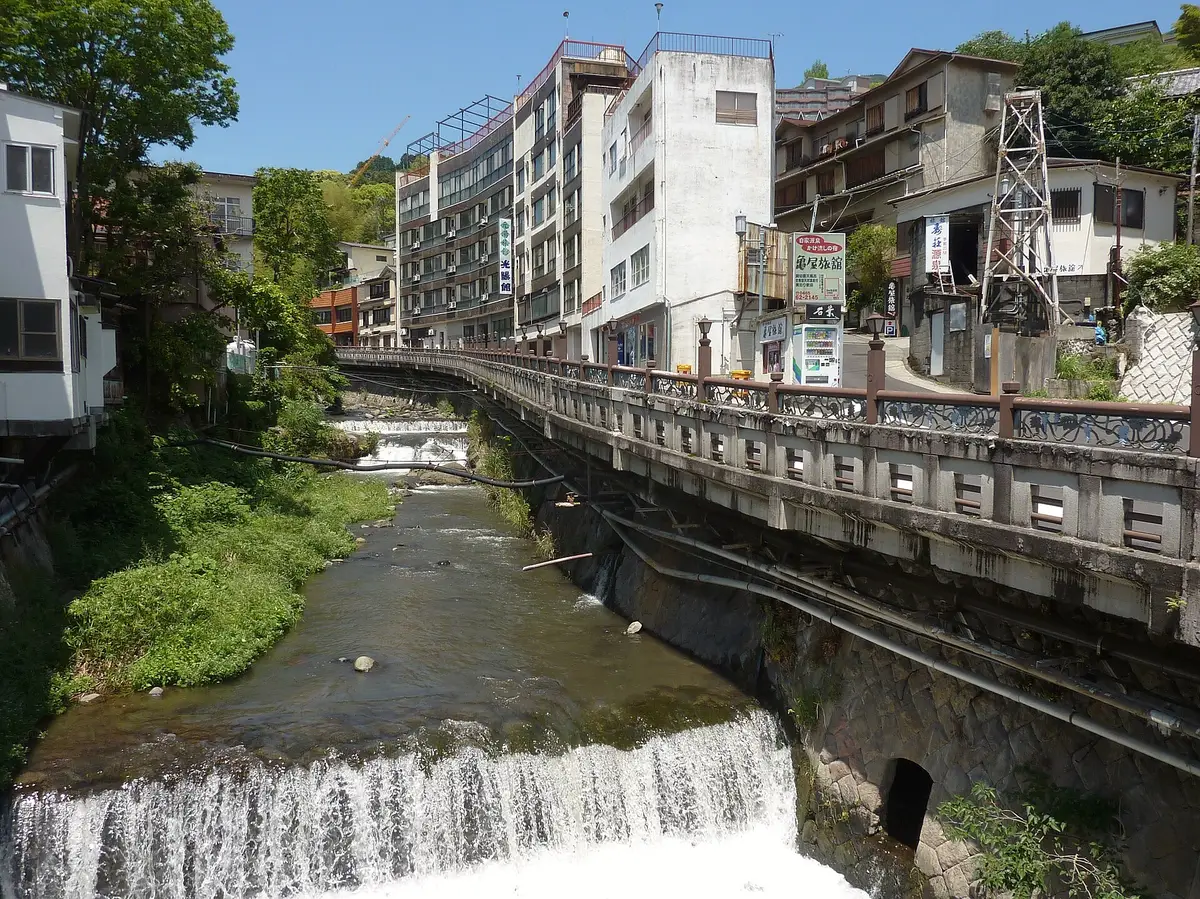

The winter air in Yugawara has a clarity that no office lighting can imitate. It wakes you up faster than an espresso. Much of what we call professional development happens at a desk, under fluorescent light, but I have come to believe the best thinking often needs the opposite: cold air, hot water, a fire and time with a few people.
That belief was the starting point for Winter Nights in Yugawara, a small gathering on December 21, 2025 that I co-hosted with an executive coach I work with. This post was written as the invitation. The date has passed, and it now records what we were trying to build and why.
Why step away from the year-end rush?
The end of the year in Japan is usually a blur of obligations. People rush to close deals, attend bonenkai, buy gifts and finish the year. There is another way to mark the season: slow down, gather around a fire and think while everyone else speeds up.
Winter Nights was deliberately not a workshop, a conference or a mastermind group. It was a festive gathering designed to give thoughtful people room to notice things they usually miss. Good food and warmth did most of the work.
What we meant by “visceral”
When my co-host and I talked about visceral experience, we meant something fairly concrete: the kind of awareness that shows up before words do. It is the sense that a plan is off, or that a conversation has shifted, before you can explain why.
Ordinary work settings tend to dull that awareness. Tight agendas and the pressure to be productive make people narrower than they really are, and predictable settings produce predictable conversations. Changing the setting changes the conversation. Heat, cold, sound and landscape all shift how people feel, and when people feel differently they talk differently. Guards come down. Curiosity goes up. People take small creative risks they would never take in a meeting room.
I do not think this is mystical. Most of us have had a better idea on a walk than at a desk. The gathering was an attempt to design for that on purpose.
Why Yugawara?
Yugawara is a town of contrasts: mountains and sea, quiet streets and a few late bars, old hot springs and a very modern stillness. You can feel the age of the place without being asked to romanticize it. It encourages a kind of openness that is hard to find in Tokyo, harder in a boardroom and close to impossible on a video call. It is also a town I spend a lot of time in, and the home of my Yugawara Club project. Akiyaz later held an earthen wall workshop there in May 2026.
We chose a private villa with a large garden and a pond, a place where attention settles by itself. There was no visual clutter and no pressure to perform. The kitchen was the center of the evening’s cooking and eating. The onsen was the place to decompress. The garden gave people somewhere to wander, and the shared table was where the conversation happened.
My co-host brought the coaching side: helping people notice what they feel and make clearer decisions. My part was the environment: the place, the food, the pacing of the evening and the mix of people.
What we were designing for
We had a few specific things in mind:
- Breaking habits: a new setting interrupts the default patterns people bring from work.
- Grounding: people stop posturing when they are warm and well fed. They stop performing and start participating.
- Shared rhythm: cooking, eating and bathing together builds trust faster than introductions do.
- Intuition: ideas come from the whole person, not only from careful argument.
- Chemistry: new collaborations tend to grow out of shared experiences rather than formal networking.
That is why we capped the group at six people. It was not a marketing device. With more people, the intimacy breaks down, and without intimacy the conversations stay polite.
Why cook together?
The shared cooking was the most deliberate part of the plan. When people cook together, hierarchy fades and conversation moves sideways. People reveal more of themselves. Nobody feels pressure to contribute value, and so value turns up anyway. An idea mentioned while slicing vegetables lands differently from the same idea presented in a conference room. That thinking also shaped Firelight & Fermentation in Chigasaki that summer, where the food took hours on purpose.
The rest of the evening followed the same thinking. The sound of the hot water, the pace of the meal and the guest list were all chosen with care, but nothing was rigid. The aim was a structure loose enough that people could stop managing themselves.
Business is still human
A lot of modern work is organized around efficiency and scale, and much of it can now be automated. The parts that cannot are often the ones that matter most: trust, judgment, and the moment two people genuinely understand each other. Those do not come from better slide decks. They grow in the right conditions, and they need time.
That is what Winter Nights was for. It was a small experiment in giving a handful of people the conditions to think clearly and connect properly: real fire, real winter and an evening without an agenda. I suspect more of us would make better decisions if we built evenings like that into our year on purpose.
Further reading: fire and fermentation in Chigasaki · the earthen wall workshop in Yugawara · business strategy and local execution in Shonan