Akiya, property and regional Japan
August 30-31: fire and fermentation in Chigasaki
A record of the Firelight & Fermentation weekend planned for August 30-31, 2025 on the Chigasaki coast: wild game over fire, fermented food, local beer and a night on the beach.
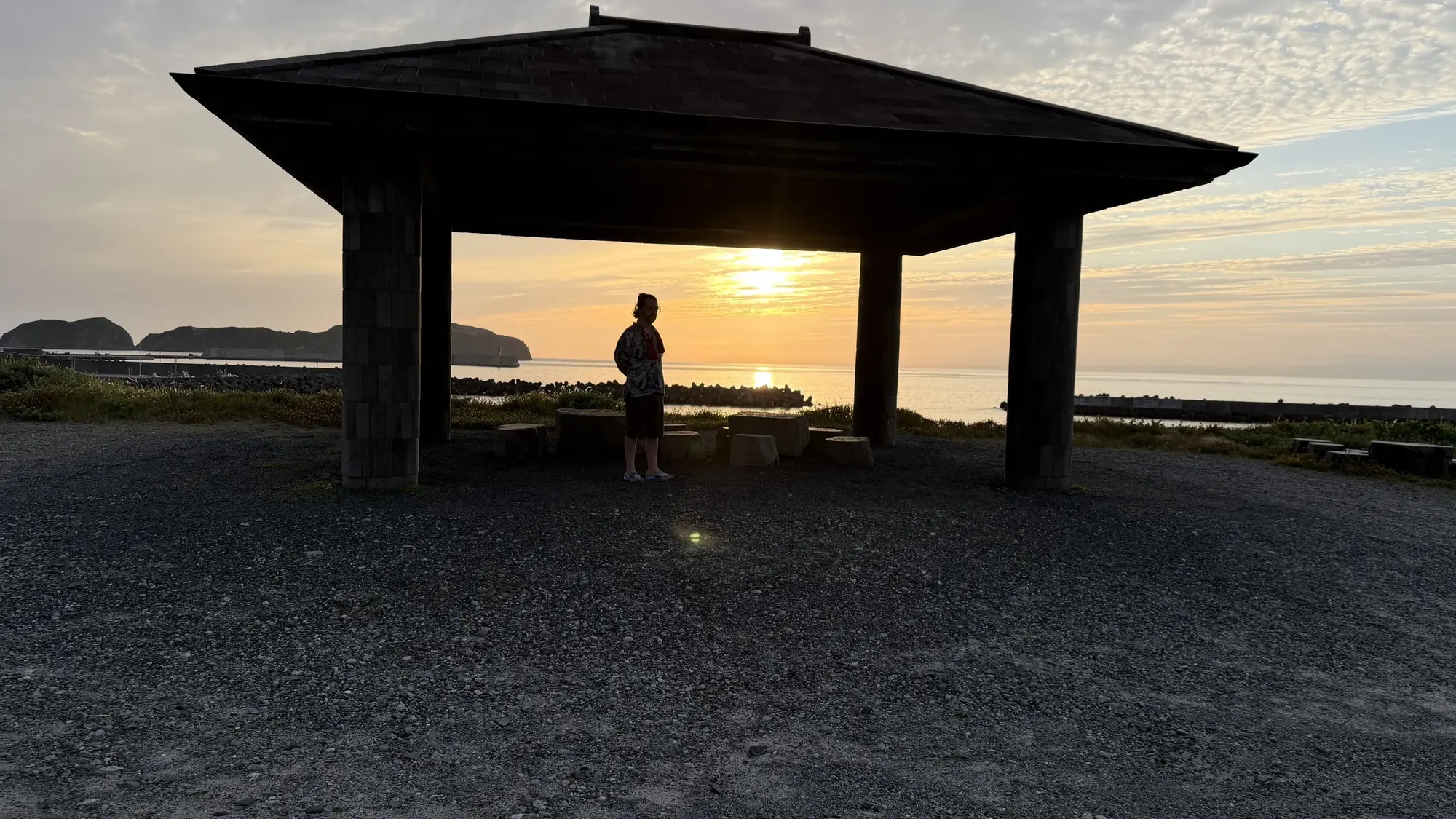
This post was first published as the announcement for Firelight & Fermentation, a two-day gathering on the beach at Chigasaki on August 30 and 31, 2025. The weekend has passed, and the post now stands as a record of what the event set out to be. It is not a booking page and there is no current event attached to it.
A beach weekend built around slowing down
Summer on the Shonan coast usually means crowded umi no ie beach huts, loud speakers and a fast turnover of people. Firelight & Fermentation was planned as the opposite: an unhurried weekend where the food took hours, people stayed through the evening and strangers had time to become acquaintances around a fire.
The best gatherings I have been part of share that quality. They give people a reason to stay longer than they intended. The program for this one combined open-fire cooking, fermented food and drink, local beer and music, with the option to camp overnight and start the next day with a swim. It was meant for people who care a lot about food and for families who simply wanted a different kind of weekend by the sea.
Wild game from Kanagawa’s hills
The centerpiece was wild boar and venison from Kanagawa, cooked slowly over live fire through the late afternoon and into sunset.
Wild game has an interesting place in Japan. Deer and boar populations in hilly areas such as the Tanzawa mountains cause real damage to farms and forests, and local hunters cull animals every year to manage them. Much of that meat has traditionally gone unused. Chefs and small processors have been working to change that under the name jibie, from the French gibier, but it is still unfamiliar to many people living only a short train ride away.
Serving it on a Chigasaki beach made the connection concrete. The meat came from the same prefecture as the sand people were sitting on. That kind of food, with a clear story about where it came from and why it is there, is what I find most memorable about eating in Japan outside the big cities. It is also the territory of Wild Food Japan, one of my independent projects.
Fermentation on the menu
The second theme was fermentation, which suits Japan well. Miso, soy sauce, sake, natto and nukazuke pickles are all fermented, so the ideas are familiar even when the specific foods are new.
The plan for the tasting station included:
- Raw kombucha: several flavors of the fermented tea.
- Fermented sodas: naturally carbonated alternatives to ordinary soft drinks.
- Lacto-fermented vegetables: seasonal produce pickled with salt and time rather than vinegar.
The makers were there to talk about how they work. For newcomers it was an easy introduction, and for people who already ferment at home it was a chance to compare notes on cultures, salt ratios and the jars that went wrong. I like fermentation mostly for the flavor, and because it rewards patience in a way that very little else in daily life does.
Local beer poured by the people who made it
Kanagawa has a lively small-brewery scene, and the event invited brewers from the prefecture to pour their own beer. The expected range ran from hoppy IPAs to clean lagers, with some seasonal batches. Talking to the person who made what is in your glass changes how you taste it, and smoky grilled game gave the beers something substantial to stand up to.
Music, fire and an overnight option
The program for the evening was deliberately loose: live music as the sun went down and acoustic sessions around the fire later into the night. The weekend was structured like this:
- Live-fire cooking: wild meat from the region through the afternoon and evening.
- Local craft beer: tastings with the brewers.
- Fermentation station: kombucha, sodas and pickles.
- Beachside music: live sets and late-night acoustic jams.
- Optional camping: an overnight stay on the coast.
- Sunrise swim: a morning swim followed by a coffee circle.
Camping was encouraged but not required, so people could come for one evening or stay for the whole weekend. That flexibility mattered. Not everyone can commit two days, and a gathering that welcomes drop-ins tends to end up with a more varied crowd.
Where to learn more
For the area itself, the Chigasaki City Tourism Association covers the beaches, festivals and seasonal events. Japan Beer Times is a good English-language source on Japanese craft brewing. For anyone who came away wanting to ferment at home, Cultures for Health has practical guides and starter cultures.
Events like this one leave a trail of scattered posts and flyers that disappear quickly. Keeping a record of what was planned, and why, is part of how local scenes remember themselves. The same thinking shaped Winter Nights in Yugawara, a smaller December gathering built around shared cooking and hot springs, and it is close to how I think about local business strategy in Shonan: build for the place and the people who are actually there.
Further reading: Winter Nights in Yugawara · finding local scenes and events in Japan · local business strategy in Shonan · promoting events so people in Japan can find them