Websites, events and customer systems in Japan
Dual pricing in Japan: resident discounts vs tourist surcharges
Japan's dual pricing debate turns on design. Why a resident discount with clear ID rules works where a foreigner surcharge fails, and how a business can run one.

Dual pricing in Japan works when it is a resident discount with a clear rule and fails when it is a surcharge aimed at people who look or sound foreign. A resident discount sets one published price for everyone, then offers a lower price to people who show proof that they live locally. That protects local access, lets visitors help pay for busy places, and avoids asking staff to judge customers by appearance or language.
What started the debate?
In January 2026 an Osaka ramen shop near Namba drew national attention for its ticket machine. Customers who chose Japanese saw ramen at around ¥1,000, while those who chose English, Chinese or Korean saw versions priced close to ¥2,000. The shop said the foreign-language items were different dishes with extra toppings and that the machine warned customers of this. A dispute with a tourist over a refund, and the shop’s response, turned it into a story about two-tier pricing far beyond Osaka.
The pressure behind it is real. Japan received a record 42.7 million international visitors in 2025. Popular districts in Kyoto, Osaka and Tokyo are crowded, and small businesses that kept prices low for decades are now under strain from rising costs and staff shortages. The question is not whether prices should rise but how to do it without alienating anyone.
Why does a foreigner surcharge fail?
Language and appearance are not residency
A language setting on a ticket machine tells you what someone chose to read. It does not tell you where they live. Japan has more than 3.5 million foreign residents, many of whom prefer English menus, along with Japanese citizens raised abroad and visitors fluent in Japanese. Any rule based on how a customer looks or which button they press will charge the wrong people.
It puts staff in an impossible position
When the price depends on who the customer seems to be, frontline staff become the enforcers. They have to decide, argue and absorb the complaints. In a busy shop that slows service, and every dispute is a potential video online.
It feels personal
A surcharge that applies to “foreigners” reads as an accusation, even when the business has sound reasons. A resident discount delivers a similar price difference with a very different message.
How does a resident discount work?
The structure reverses the burden. The standard price, shown to everyone, reflects what the product or visit actually costs to provide at current demand. Residents who want the lower price show identification. Nobody is singled out, because the only people who have to do anything are those claiming the discount.
Hawaii’s kamaʻāina discounts are the best-known example. For decades many hotels, restaurants, attractions and shops there have offered lower prices to residents who show a Hawaii ID. The practice is voluntary, widely understood and rarely controversial, partly because it is framed as a benefit for locals rather than a penalty for visitors.
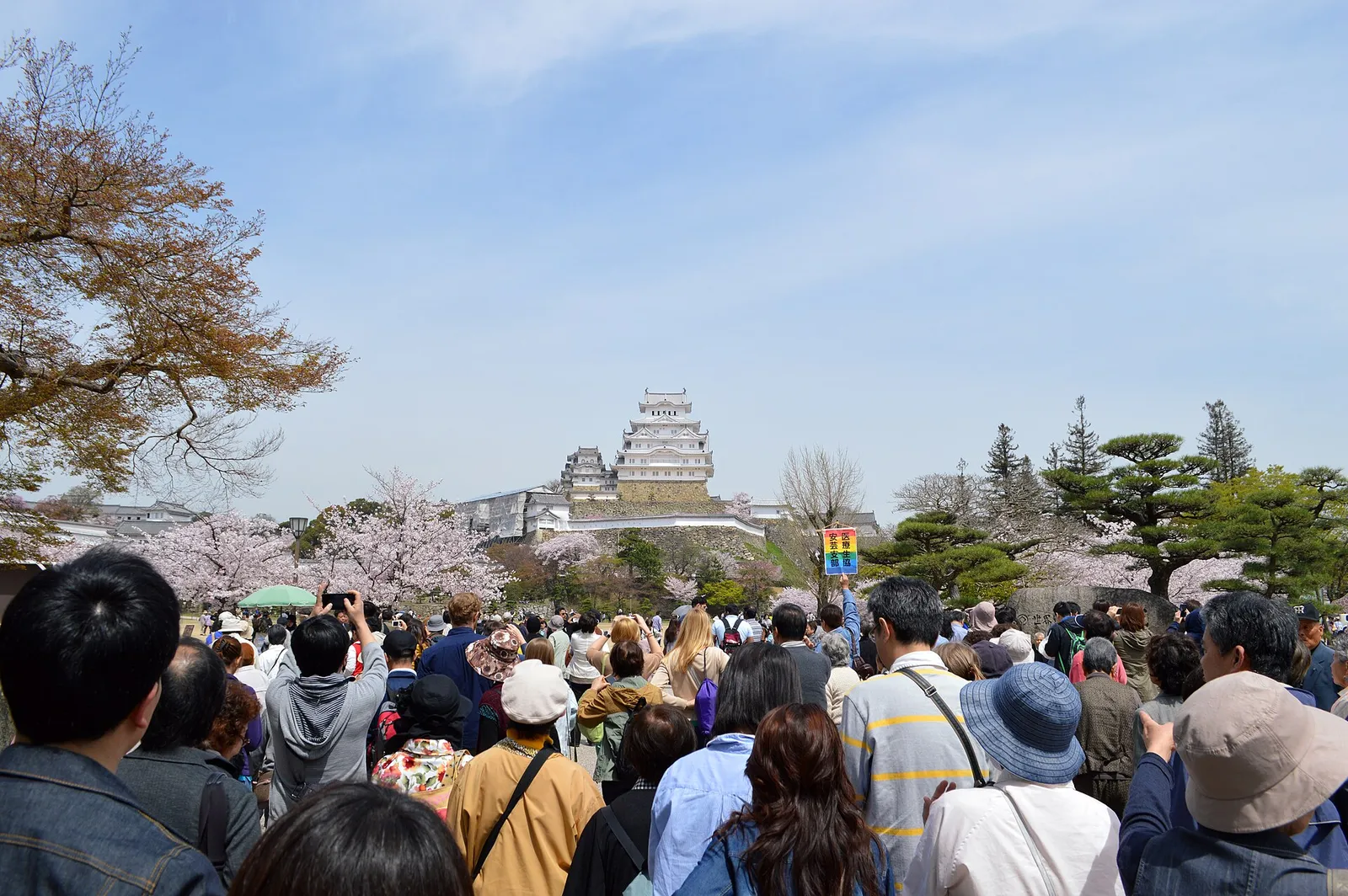
Japan now has a prominent example of its own. Since March 1, 2026, Himeji Castle charges adult visitors ¥2,500, while Himeji residents continue to pay ¥1,000 on showing ID, and visitors under 18 enter free. The city presents the change as paying for the upkeep of a World Heritage site.
Video: 姫路城の「二重価格」開始 市民以外は入城料2500円 18歳未満は一律無料【知っておきたい!】【グッド!モーニング】(2026年3月2日) from ANNnewsCH.
Crucially, a Japanese visitor from Tokyo pays the same as a tourist from abroad, and a foreign national living in Himeji pays the resident price.
Is dual pricing legal in Japan?
Japan has no comprehensive anti-discrimination law that directly governs private businesses’ prices, and Article 14 of the Constitution, which guarantees equality under the law, applies most directly to the state. That does not make nationality-based pricing safe. It invites complaints, bad press and, for public facilities, legal challenges.
Pricing by residency is much easier to defend. Residency is an objective status tied to where someone lives and pays local taxes, and discounts for residents, students and seniors are familiar everywhere. As long as the rule is the same for every nationality, it is hard to call it discriminatory.
How can a business run a resident discount?
Publish one standard price
Put the full price on the menu, website and booking page for everyone. Avoid separate menus by language. The same rule that makes service pricing trustworthy applies here: one visible price, and any discount follows a stated rule.
Define who qualifies
Decide whether “resident” means the city, the prefecture or anyone living in Japan. A neighborhood restaurant might choose the ward; a regional attraction might choose the prefecture.
Accept standard ID
A residence card, My Number card or driver’s license shows an address. Tell staff which documents count and never ask anyone to prove they are not a tourist.
Train staff on a short script
Staff should be able to explain the policy in one sentence as a benefit for local customers. A printed sign in several languages saves them repeating it.
Build it into bookings and payments
For attractions, tours and restaurants that take reservations, the discount can be applied at booking with ID checked on arrival, which keeps the counter moving. Most booking and point-of-sale systems support discount codes or customer categories without custom development. Getting that setup right is part of the booking and payments work I do in infrastructure implementation.
Explain where the money goes
Visitors accept higher prices more readily when they understand the reason: conservation, staff wages or keeping a local business open. One line on the price board is enough.
What about demand at peak times?
Price differences are one tool for managing crowds, not the only one. Timed-entry tickets, higher prices at peak hours and online reservations spread visitors more evenly and often matter more than who pays what. A business that combines a clear standard price, a resident discount and a booking system that smooths out peaks will usually handle busy seasons better than one that relies on a surcharge.
Further reading: how to raise prices in Japan after decades of deflation · how clear service pricing builds client trust · tourist behavior and pressure on Kyoto