Websites, events and customer systems in Japan
How clear service pricing builds client trust in Japan
Quiet discounts and blurred packages make clients unsure what they are buying. How service providers in Japan can publish and hold prices clients trust.
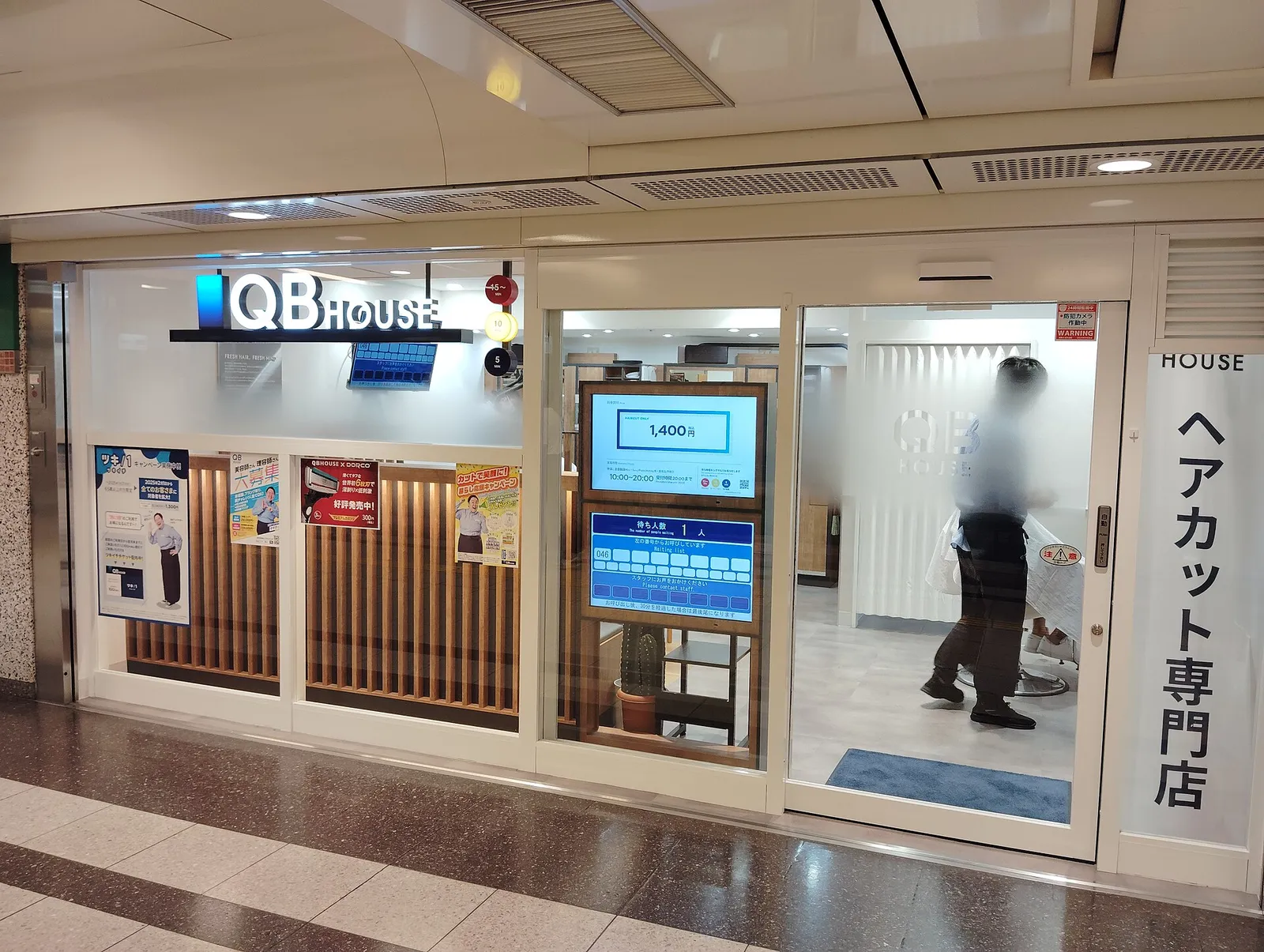

Clients trust service pricing when it is clear, consistent and tied to what they receive. If the same work costs different amounts depending on who asks, if premium extras quietly appear in entry-level packages, or if a discount arrives the moment a client hesitates, the client learns that the stated price means little. For independent consultants, designers, developers and other service providers in Japan, the most trust-building move is often the simplest: publish your prices or pricing logic, define what each option includes, and keep to it.
That is harder than it sounds, because for a solo provider the service is the person. Turning down a discount request can feel like turning down the client. Much underpricing comes from that discomfort rather than from any analysis of the market.
Why do service providers undercharge?
The Abilene paradox, described by the management writer Jerry Harvey, is a situation where a group agrees to a plan none of its members want, because each assumes the others support it. Independent providers often run a one-person version of it. They set prices below what the work is worth “because that is what the market expects,” trim a premium package “so nobody feels excluded,” and make every tier look similar “in case someone complains.” Nobody asked for any of this. The provider assumed it.
The results are familiar. A copywriter spends 40 hours on a job priced for 15. A developer adds features for free to avoid a difficult conversation. A consultant answers questions by email for months after the engagement ended. None of that is generosity. It teaches the client that the scope is soft and the price is a starting point for negotiation, and it leaves the provider tired and resentful.
Does flexible pricing help or hurt trust?
It usually hurts. Clients compare notes more than providers think, and inconsistency is easy to spot. A client who discovers that someone else paid less for the same work does not conclude that you are flexible. They conclude there is no logic to your prices, and they start negotiating every invoice.
Flexibility also blurs your tiers. If you offer three packages and then give the middle package’s benefits to anyone who asks nicely, the top package loses its reason to exist and the clients who paid for it feel cheated.
That does not mean every price must be fixed forever. It means changes should follow a visible rule: a published discount for nonprofits, a lower rate for a longer commitment, a new price that applies to every new client from a certain date.
Is transparent pricing compatible with Japanese business culture?
Japanese business culture is often described as preferring discretion about money, and many providers justify vague pricing through omotenashi, the ideal of anticipating a guest’s needs. In practice, clear pricing fits omotenashi better than vagueness does. A negotiable, undefined price forces the client to guess, haggle and wonder if they got a fair deal. A clear price removes that burden, which is the more hospitable choice.
Japanese clients also have practical reasons to want clarity.
- Written quotes and approvals. Many companies need a formal 見積書 (quotation) before a purchase can be approved internally. A clear package with a fixed scope makes that easy.
- Invoices that meet the qualified invoice system. Since October 2023, business clients generally want invoices showing your インボイス registration number so they can claim input tax credits. If you are registered, say so. If you are not, tell clients before they ask.
- Withholding tax on some fees. For certain services paid to individuals, such as design, writing and some consulting, clients may withhold income tax (源泉徴収) from your fee. State whether your prices are before or after tax and withholding.
- Clear terms for freelancers. The Freelance Act, in force since November 2024, requires businesses that commission freelancers to state the work, the fee and the payment date in writing. Providers who already publish clear scope and terms make that step simple for their clients.
How should you structure service tiers?
Tiered pricing works when each tier has a real boundary. The good, better, best approach described in Harvard Business Review is a sensible model for services too.
Define each tier by outcome and scope. Say what the client receives, how many rounds of revision are included, response times and what is not included.
Make the differences meaningful. Each step up should add something a client would actually pay for: more depth, faster turnaround, ongoing support, not just more hours.
Protect the boundaries. When a client in the lower tier asks for a higher tier’s benefit, offer the upgrade or a clearly priced add-on instead of giving it away.
Write change requests down. Agree in advance how additional work is quoted. A short written estimate before extra work begins prevents most disputes.
Review prices on a schedule. Look at them once or twice a year, not in the middle of a sales conversation.
When should you discount?
Discounts can be a sound tactic when they are planned: an introductory rate for a new service, a lower price for prepayment or a longer commitment, a published rate for a category of client you want to support. They cause damage when they are a reflex to a client’s hesitation or a competitor’s launch.
If a service does not sell at its price, the price may not be the problem. The description may be unclear, the offer may be aimed at the wrong audience, or the value may not be visible until someone has seen it in practice. Cutting the price does not fix any of those.
When is it right to walk away?
Some clients are shopping only for the lowest price. Stretching your terms to keep them usually leads to scope creep, late payment and work you are not proud of, and it takes time away from clients who value what you do. A clear price works as a filter. The message is simple: this is what it costs, this is what it includes, and if it is not the right fit, no hard feelings.
Making pricing easy to act on
Pricing clarity also depends on the systems around it. A published price page, a quote template that matches it, invoicing software that produces compliant invoices (freee and Money Forward are the common choices, compared in freee vs Money Forward), and an easy way to pay online all reinforce the same message. The guide to accepting payments in Japan covers the payment side.
I publish my own service prices on the Services page and explain how scope and payment work in how engagements work. If you want help setting up quoting, invoicing and payments so your pricing is as clear in practice as it is on paper, I can plan and implement those systems with you, or you can get in touch.
Further reading: salary transparency and a better hiring process · premium pricing in Japan after deflation · dual pricing and resident discounts in Japan