Akiya, property and regional Japan
Why akiya in Japan are hard to buy: the information problem
Japan's empty houses are plentiful, but the information needed to act on one is scattered and local. Why akiya are an information problem before a price story.
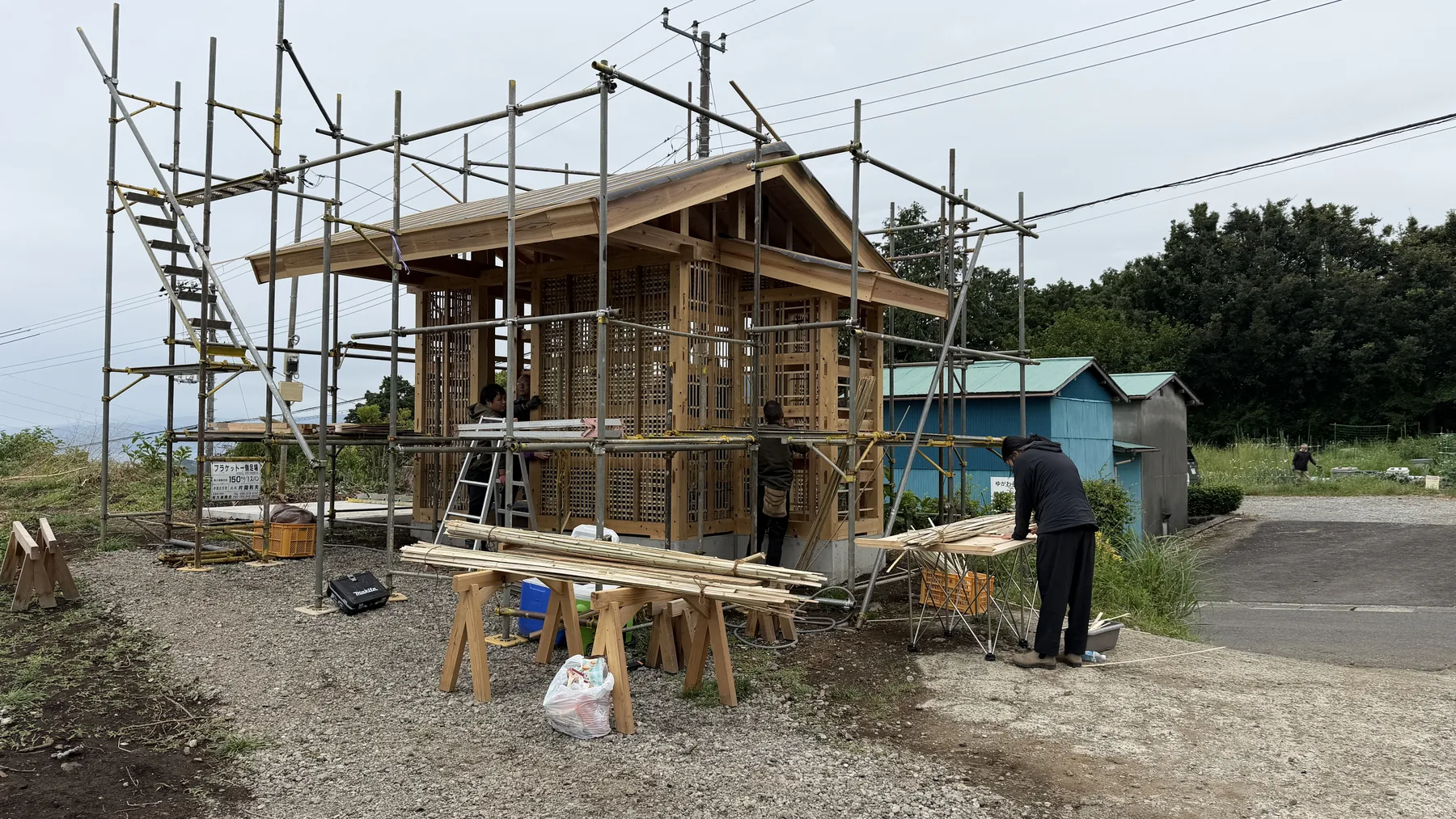
Akiya in Japan are hard to buy and use well, not because empty houses are scarce, but because the information you need to act on one is scattered, incomplete and often held locally. Ownership, condition, legal constraints, renovation capacity and local relationships sit in different places, some of them on paper or in someone’s memory. A low asking price tells you very little until those pieces are assembled. That makes akiya an information problem with buildings attached.
The cheap-house story is not false. Japan’s 2023 Housing and Land Survey counted a record 9.0 million vacant homes, 13.8 percent of all housing, according to the Statistics Bureau of Japan. Some are inexpensive, some are beautiful, and some deserve to be repaired and used. But the story usually starts in the wrong place.
Why is price the least useful number?
A house can be cheap for many different reasons. It may simply be overlooked. The roof may be failing. Ownership may be split among heirs who do not agree. Road access may be poor, the water supply old, the septic arrangement unclear. The renovation may cost several times the purchase price, local builders may be booked for a year, and the town may have no one who can help an outside buyer.
Those are different problems with different answers. When they are all flattened into “cheap house in Japan,” the buyer sees the building and misses everything around it. That is how a cheap house becomes an expensive one.
Why aren’t better listings enough?
Many people assume the problem is solved by better listings, and better listings would help. Municipal akiya banks (空き家バンク) and the national portals that aggregate them have made more properties visible. Good photos, condition notes, maps, ownership status and zoning information would remove a lot of wasted effort.
But a listing is only the front door. To go from interest to use, a buyer also needs:
- the legal picture: registered ownership, inheritance status, zoning and whether the building can be rebuilt if demolished
- the physical picture: structure, roof, water, drainage, and what an inspection finds
- the renovation picture: which local contractors are available and what the work realistically costs
- the administrative picture: permits, subsidies, tax and any obligations that come with the property
- the local picture: the neighbors, the community association and how the town has experienced previous outside buyers
Ownership records in particular have long been incomplete, because inheritance registration was voluntary for decades. Registration of inherited real estate became mandatory in April 2024, which will help over time, but many older properties still have owners who are hard to identify or reach.
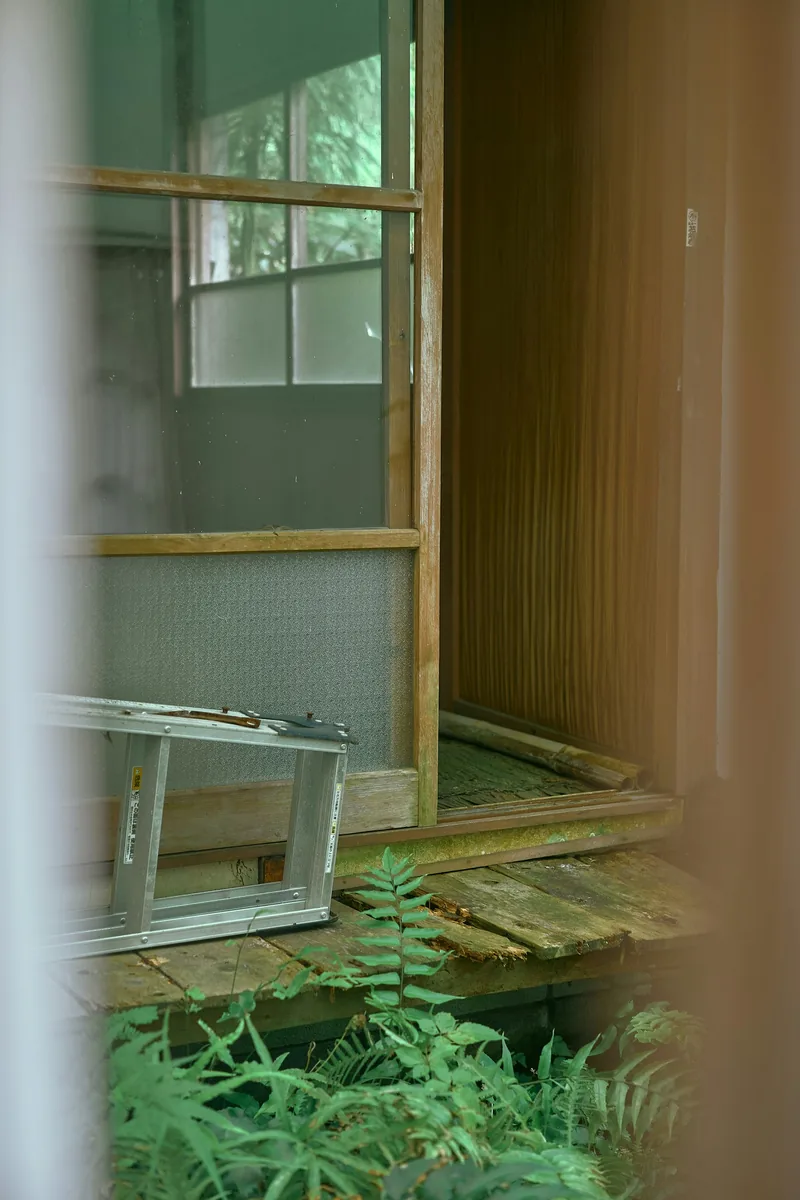
A property can be visible and still not be actionable. A buyer can be interested and still not be ready. A town can want its empty houses reused and still lack the staff to support another half-formed project.
Why does local trust matter so much?
Rural Japan is not a test environment. A failed akiya project is not only one buyer’s private mistake. If someone arrives, asks for special help, makes promises, creates noise and then disappears, the municipal office, the owner, the contractor and the neighbors remember. The next outside buyer inherits their caution.
A buyer may think the process begins when they find a house. Locally, it may have begun the first time they contacted the town office or asked a neighbor about the property. The house carries local history, and that history can include earlier disappointments. Treating trust as part of the system, not a formality, is what separates serious projects from content.
How do information gaps change behavior?
When useful information is missing, people fill the gap with assumptions, and the market gets noisier than it needs to be.
- Serious buyers spend months on properties that were never viable.
- Municipal staff answer the same basic questions because the public information is thin.
- Buyers romanticize buildings they cannot afford to repair.
- Good properties stay off the market because owners do not want the hassle.
- Local businesses that could support renovation are hard to find, especially for non-Japanese speakers.
- English-language media repeats the cheap-house headline, and more people arrive with the wrong expectations.
Video: Japan’s 9 Million (And Growing) Abandoned Homes: The ‘Akiya’ Phenomenon | CNA Correspondent from CNA Insider.
The video shows the scale of the problem; the practical question is what information would make individual houses usable again.
What I learned building Akiya & Inaka
I co-founded Akiya & Inaka, and much of that work was information work. I worked on scraping, cleaning and structuring property data drawn from local listings and municipal information. Those sources were not built to work together, and records were often inconsistent or incomplete, so making them searchable took real effort before anyone could compare one property with another.
The other half of the work was on the ground: client searches and inspections, renovation planning, and coordination with municipal offices and local providers. That is where the limits of any listing become obvious, because an inspection, a conversation with a local builder or a question about the land can change the picture entirely. Documentary work for international audiences was part of it too, because showing what a property and its town are really like is part of making the information usable.
Should an akiya project start with the building or the use?
Start with the use. A house can remain a house, but it might also become a workshop, a small lodging, a studio, a food production space, a community facility or an office. The right use depends on the town, the road, the climate, the regulations and the people nearby.
The use case changes which building matters, which defects are acceptable, what the renovation budget should be, which permits apply and which neighbors need to be involved. It is also what turns a private purchase into something the area can benefit from.
What should you ask before buying an akiya?
Swap “how cheap is it?” for “what would need to be true for this building to be useful again?” In practice that means checking:
- who legally owns it, and whether all heirs agree to sell
- what zoning applies, and whether the building can be rebuilt
- what an independent inspection finds about structure, roof, water and drainage
- which local contractors can do the work, and when
- what the town offers in subsidies or support, and what it expects in return
- how the property fits a specific use, budget and timeline
- who will manage it once the renovation is done
Some properties will fail that test, and that is fine. The goal is not to make every empty house look like an opportunity. It is to build enough information and trust that the right houses meet the right people for the right use.
The same pattern shows up in businesses across Japan: real value, a weak information layer around it, and people making decisions from the surface. I wrote about the podcast conversation that explored this in akiya as a data problem. If you need a property, a place or a regional project documented so buyers, partners or investors can understand it, see Media Production and property documentation. If you need the data and reporting side organized, get in touch.
Related reading: akiya are a data problem before a real estate opportunity · starting a rural business in Japan: what akiya work taught me · regional revitalization needs working businesses