Akiya, property and regional Japan
Building a working life beyond Tokyo
Moving beyond Tokyo can create room for a different kind of business. It also changes access to customers, colleagues, transport and services. The decision deserves more than a cheap-rent argument.
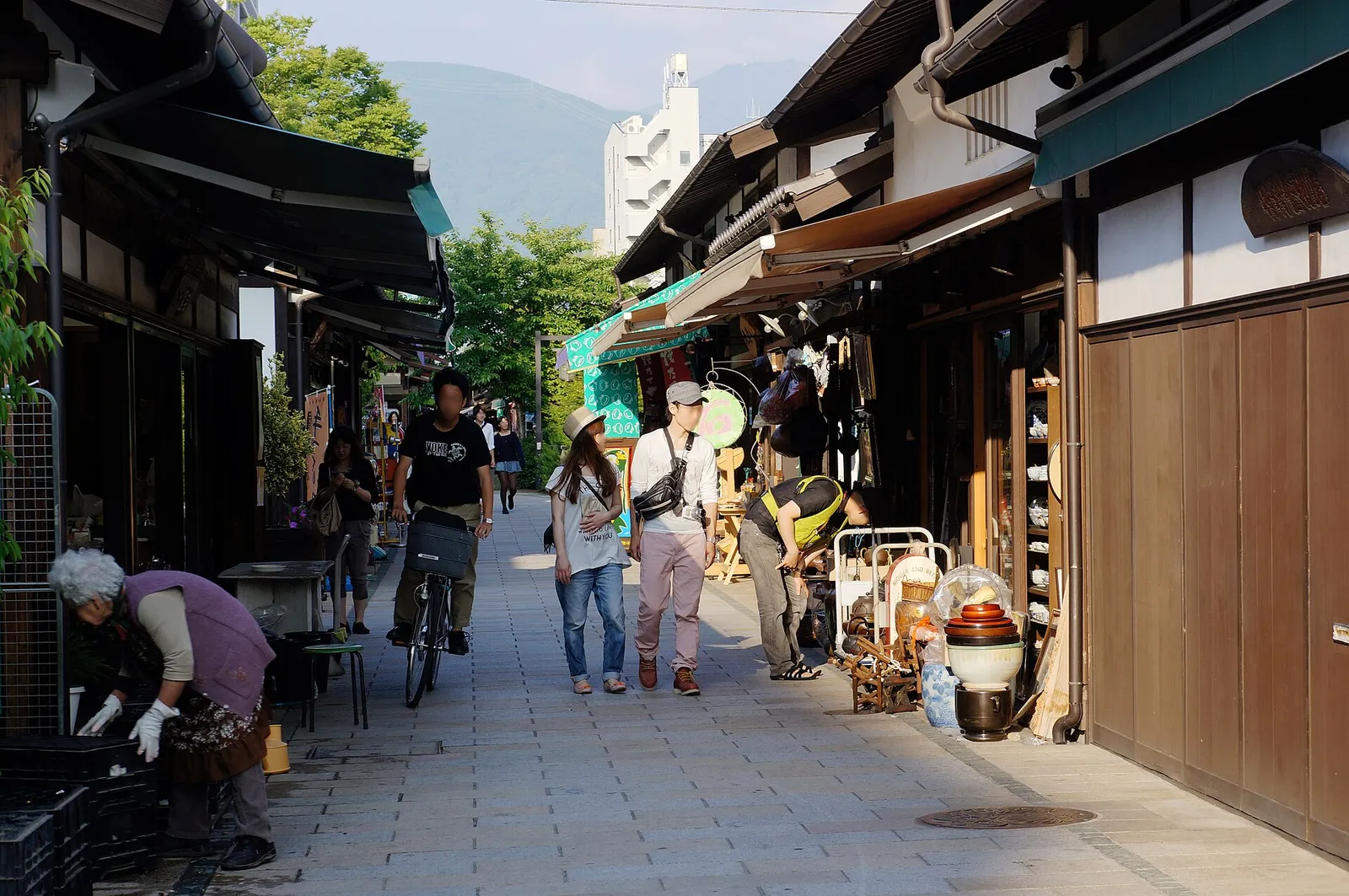

Debates about Tokyo’s future usually focus on reforming the capital: its ministries, its corporate headquarters, its working culture. I think the more interesting question is how people build working lives beyond it, and how they can use Tokyo’s resources while they do.
I call the places they build “third cities.” The term does not refer to a particular place. It describes towns and regional cities that are neither Tokyo nor the second-tier centers like Osaka and Nagoya, where people are trying new ways of working and running businesses. Building there is hard, uncertain work. It is also where I think much of Japan’s practical future is being worked out.
Two faces of central Tokyo
Walk from Kasumigaseki to Marunouchi and the architecture seems to tell a story of opposites. The ministry buildings are plain, heavy postwar blocks, built by a confident state that did not need to be beautiful. A few minutes away, the glass towers of Marunouchi and Toranomon are polished, managed commercial environments, with clean plazas and predictable high-end shops.
I read them as two versions of the same idea. One is the old hardware of government direction, the other the newer software of corporate management. Both are orderly and carefully controlled. Neither leaves much room for the messy, bottom-up growth that gives a place its own character.
The comfort problem
Tokyo’s safety and efficiency are remarkable. Trains run to the minute, convenience stores never close and public order is extraordinary by world standards. It is a wonderful place to live in many ways.
That comfort has a cost. When everyday life is this smooth, there is little friction to push people toward trying something different, and the path of least resistance is to fit into an existing company or structure. For people who want to build something new, the ease of Tokyo can work against them. It is less a cage than a very comfortable room that is hard to leave.
Why people are leaving the old paths
The shift is visible at the top of the old system. A career in the national bureaucracy was once the goal of top graduates. Applications for the career-track civil service exam have fallen sharply over the past decade, and young officials describe long hours, heavy paperwork and slow, analog procedures that make the work harder than it needs to be.
The same pattern shows up in large companies. Seniority pay, pressure to conform and long hours sit badly with younger workers who want autonomy and a sense of purpose. More of them are changing jobs, freelancing or starting businesses than their parents’ generation would have considered.
Many of those people still end up in Tokyo, because that is where the jobs, clients and networks are. Some are looking further.
What a third city requires
This is not a romantic escape to the countryside. Leaving Tokyo changes access to customers, colleagues, specialists, transport, schools and hospitals. Cheap rent is a poor reason to move by itself.
What makes a regional base work is usually more specific:
- A business that does not depend on walk-in Tokyo customers: online sales, tourism, production, remote services or work tied to the place itself.
- Working digital infrastructure: reliable internet, online bookings and payments, and tools that let a small team run without being in the same room.
- Local relationships: municipal offices, neighbors, suppliers and trades who can help or block progress.
- Realistic property expectations: many regional buildings, including akiya (vacant houses), need significant work and clear paperwork before they are usable.
My own experience here comes from rural property research. I co-founded Akiya & Inaka, which involved scraping and structuring scattered property data, joining client searches and inspections, planning renovations and coordinating with municipalities and local providers. The lesson I took from it is that information is often the first obstacle. Listings are incomplete, records are inconsistent and the people who know the answers are hard to reach. I wrote more about that in the akiya information problem.
Using Tokyo as a base camp
I do not think the answer is to cut ties with Tokyo. It holds the greatest concentration of capital, expertise, international contacts and specialist services in the country, and abandoning that would be a mistake.
A better approach is a deliberate relationship with the capital. A founder might spend most of the month building their business in a regional town, then a week in Tokyo meeting investors, partners, lawyers and customers. Tokyo’s efficiency becomes a resource for solving the problems that would take months to handle elsewhere, rather than a reason never to leave.
Toward many centers
The long-term aim is a Japan with more than one center of gravity. If enough regional towns develop strong local businesses and connect with each other, the capital becomes less of a single point of dependence. That would make the country more resilient, and it would give people who want a different kind of working life a real choice.
That future is being built slowly, one business and one renovated building at a time. It deserves more attention than it gets, and more practical support than a relocation subsidy. I wrote about what those businesses need in regional revitalization needs working businesses, and about building for a specific place in local business strategy in Shonan.
Further reading: regional revitalization needs working businesses · Aizu and rural tourism · Japan entrepreneurship and akiya · Diagnostics: right-size your operations for a regional base