Akiya, property and regional Japan
Aizu and rural tourism: maintain what you promote
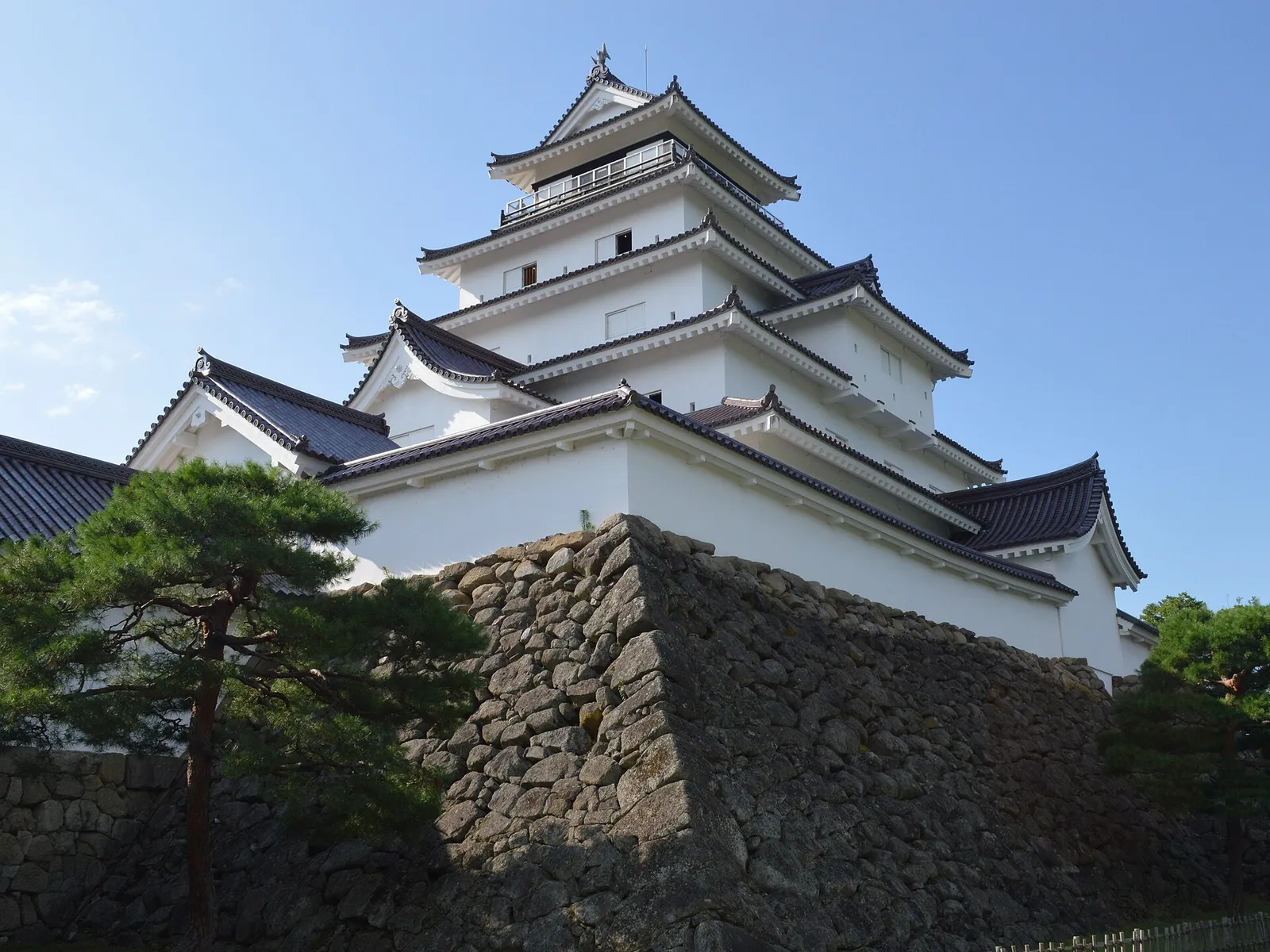
Tsuruga Castle's silted moats show a pattern across rural Japan: towns promote heritage they struggle to maintain. What operators in Aizu and similar regions can build.
.jpg)
Aizuwakamatsu has what many rural Japanese towns want: a famous castle, a samurai history people still argue about, craft traditions, sake and a live music scene. Its difficulty is the one most regional towns share. The asset on every poster is expensive to maintain, and the living culture that could bring visitors back is hard for an outsider to find, reach and book. Towns that fix both problems, maintenance and access, tend to do better than towns that commission another promotional plan.
What is happening at Tsuruga Castle?
In October 2025 The Japan Times, drawing on reporting from the Fukushima Minpo, described the condition of Tsuruga Castle’s grounds. The moats have filled with sediment, and trees have taken root in the stone walls, which puts the walls at risk. The city has set up a cross-departmental initiative on the moat and is consulting experts and studying how other castles handle preservation. Meanwhile a local nongovernmental organization brought in heavy machinery and cleared more than 7,400 square meters of weeds and debris from the castle park.
I do not think the city is wrong to be careful. Dredging a moat next to old stone walls can damage the structure it is meant to protect, and the budget, permissions and responsibility for that work are genuinely complicated. But the story shows a split I see across regional Japan. Volunteers and small organizations do visible work with limited means, while the official process moves slowly and produces studies. A visitor sees the result either way: a symbol of the town that looks neglected.
Why do rural towns struggle to maintain their heritage?
Most regional municipalities are trying to do more with fewer staff and a shrinking tax base. Heritage maintenance competes with roads, schools, care services and disaster preparation. Tourism promotion often sits in a different department with a different budget, so a town can fund a campaign for a castle while the castle’s walls wait for a preservation plan.
The practical fix is to treat maintenance and promotion as separate plans that inform each other. Before anyone proposes physical work, someone needs to establish the condition of the asset, the environmental and legal constraints, the likely cost and who is responsible. Promotion then has to be honest about what visitors will find this season, including closures and restoration work. Visitors forgive scaffolding. They are less forgiving of arriving to find that the information online was out of date.
What is Aizu actually offering visitors?
A town that sells only its castle competes with every other castle town in Japan, and it asks one building to carry the local economy. Aizu has more than that. There are lacquerware and other crafts, sake breweries, the Boshin War history that gives the region its sense of identity, and the recovery story Fukushima has lived since 2011.
I have worked with Aizu’s local music scene, and it is one of the region’s most underused assets. The musicians are technically strong and serious about what they do, and the audiences are loyal. Very little of it is visible to anyone who does not already know where to look. That is typical of regional culture in Japan: the activity exists, but event information lives in social posts, flyers and word of mouth. I wrote about that problem more broadly in how local scenes lose visitors they could have.
Is being hard to reach a disadvantage?
Aizu takes time to reach from Tokyo, and most visitors need a train change or a car. That filters out many day-trippers. It also means the people who do come have usually decided to stay a night or two, which suits a region whose best experiences are slow ones: a brewery visit, a craft workshop, an evening show, a meal with a local story behind it.
Distance only works in a town’s favor if the trip is easy to plan once someone has decided to make it. The visitor needs to know how to get there, where to stay, what is open and how to book it, ideally in English as well as Japanese. When that information is missing, distance stops being a filter and becomes a reason to go somewhere else.
What can operators and local businesses do now?
Travel operators, inns, restaurants and cultural organizations do not need to wait for the municipality to build a better visitor experience. Several things are within their reach.
- Publish current, specific information. Opening hours, access routes from the nearest station, booking methods and seasonal closures, kept up to date on your own site and on Google Business Profile.
- Make booking possible without a phone call. Many small businesses in regional Japan still take reservations only by phone, which excludes most international visitors. A simple booking form or a booking platform, with clear cancellation terms, fixes much of that.
- Package what is scattered. A brewery, a lacquer studio and a live show on the same weekend make a trip. Someone has to put them together, confirm availability and explain the logistics.
- Document the place properly. Good photographs, short video and written context help visitors understand what they are traveling for. I do this kind of work through media production and property documentation for regional projects.
- Share responsibility for the shared assets. Businesses that benefit from the castle, the streetscape or the festivals can support the volunteers and organizations maintaining them, and push for a maintenance plan with a clear owner.
Can other regions use the same approach?
The pattern repeats across Japan. A town has one famous site it struggles to maintain, a living culture it does not present to visitors, and access information scattered across agencies and businesses. The response is also similar: separate maintenance from promotion, support the people already doing the work, and make the rest of the region easy to find and book. In Shingo, a small village in Aomori, I have been testing a different angle: turning a local legend into a story that travels.
Regional cities outside the big tourist circuits are becoming more attractive places to live and work as well as to visit, as I discuss in Japan’s third cities. The towns that benefit will be the ones where the basics work, both for visitors and for the people who look after the place.
Further reading: regional revitalization needs working businesses · Japanese Jesus and the Shingo legend · why Japan’s local scenes need better event discovery · starting a rural business in Japan