Akiya, property and regional Japan
Norikura Kogen onsen ryokan: creating value from what exists
A four-building onsen ryokan in Norikura Kogen shows how existing real estate in Japan creates value through due diligence, onsen rights, operations and a strong location.
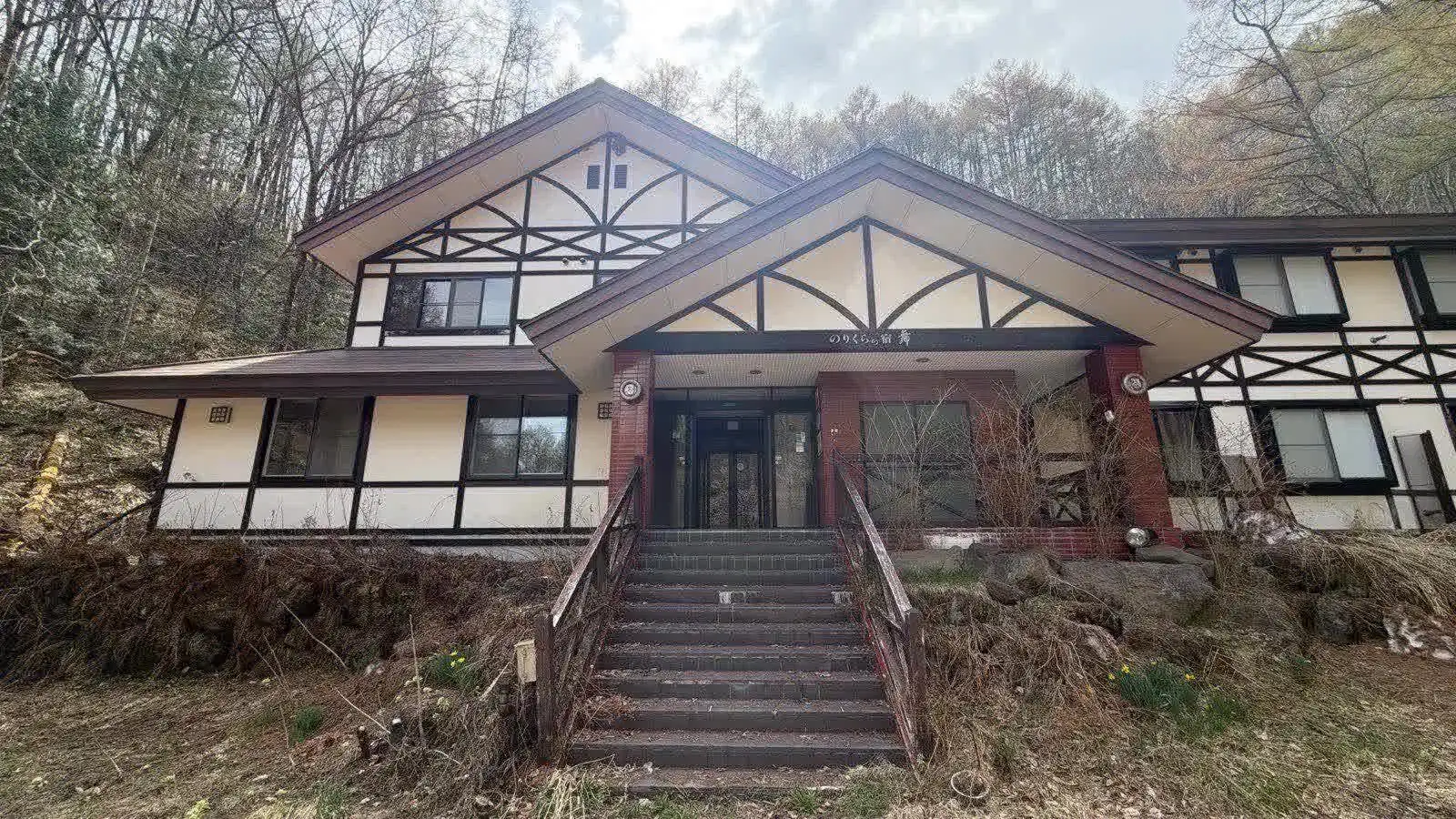
The value in an existing Japanese hospitality property is rarely sitting in the purchase price. It is created afterwards, by an operator who understands what the building already does well, what has stopped working, what the location offers and what the rules around it allow. The onsen ryokan in Norikura Kogen that we wrote up at Akiyaz is a good example, and it is the kind of project I find most interesting: ambitious, complicated and worth doing properly.
I like people who do real due diligence and then take on audacious projects anyway. The person I respect sees something beautiful, gets excited, and then gets more serious rather than less. Romance is stronger when it survives contact with paperwork, pipes, winter, staff housing, permits and a capital plan.
Why a ryokan rather than a small akiya?
I still like the small-house version of the akiya story: an old house in a village, a garden wall, a second life for the right person. That has real value. But it is not the only story about existing real estate in Japan, and it is no longer the one that interests me most.
A ski-area onsen ryokan is a different kind of project. The package in Norikura Kogen, outside Matsumoto in Nagano, is a four-building hospitality compound. It is exciting because the right operator could create new value from what is already there: an inn that has hosted guests for decades, baths connected to local hot spring supply, rooms designed to receive people, and a mountain setting that gives the whole thing a reason to exist.
The question to ask about a property like this is not how cheap it is. It is what can be made to work again, what can be run better, what can be repaired without turning the place into generic hospitality, and who is willing to do the work.
How is value created in an existing ryokan?
A ryokan is an operating business with a building attached. The rooms need to work, the baths need to be reliable, booking needs to be straightforward, staff need to function as a team, the food needs a point of view, the winter plan needs to be real, and local relationships need to be treated as part of the asset.
The upside has to be built through diligence, restrained design, operating competence, careful sequencing of capital and respect for the place. It starts with better questions. What does this place already know how to do? What has stopped working? What should be preserved because it still carries value, and what needs replacing because sentiment is not a business model? Where does the landscape create demand, and where does the spreadsheet tell the truth?
That is the part of the Akiyaz work that matters to me. Japan is very photogenic, and it is easy to make a property look irresistible. The more valuable work is understanding it: what exists, what transfers with the sale, what needs approval, what needs capital, what needs local trust, what is known and what is not, and what kind of buyer or operator is suited to the opportunity.
Why is due diligence creative work?
Due diligence is where the creative work gets real. A serious buyer does not become less imaginative by asking about septic capacity, fire safety, water rights, cooperative approvals, snow removal, electrical load, boiler life, insurance, maintenance history, staff flow, food service, signage, zoning, and what happens when a guest arrives in February with two suitcases and no idea how mountain roads work.
Those questions do not kill the idea. They edit it into something stronger. The surface version of a project wants the photo. The builder’s version wants the photo, the bills, the inspection, the conversation with the cooperative, the contractor’s hesitation, the operating model and the renovation phasing, and then the better photo that exists once the work has been done properly.
The Akiyaz property listing gives enough detail to think like an operator. Ryokan Mai is a licensed 12-room inn with dining spaces, baths, kitchen facilities and staff areas. Pension Karin adds a second lodging building, and two vacant villas add flexibility. None of that makes the project easy. It means there is something substantial to work with.
That is what makes existing real estate interesting. A new build gives you control, if you have the money, patience and permits. An existing property gives you constraints, history, infrastructure, awkward corners and clues. Some clues are warnings and some are invitations. The job is to tell the difference.
What does the onsen add, and what does it require?
The bath is the image everyone understands: steam, forest, mineral water, and the pleasure of being warm while the mountains are cold outside. Guests want it before they know anything else about the property.
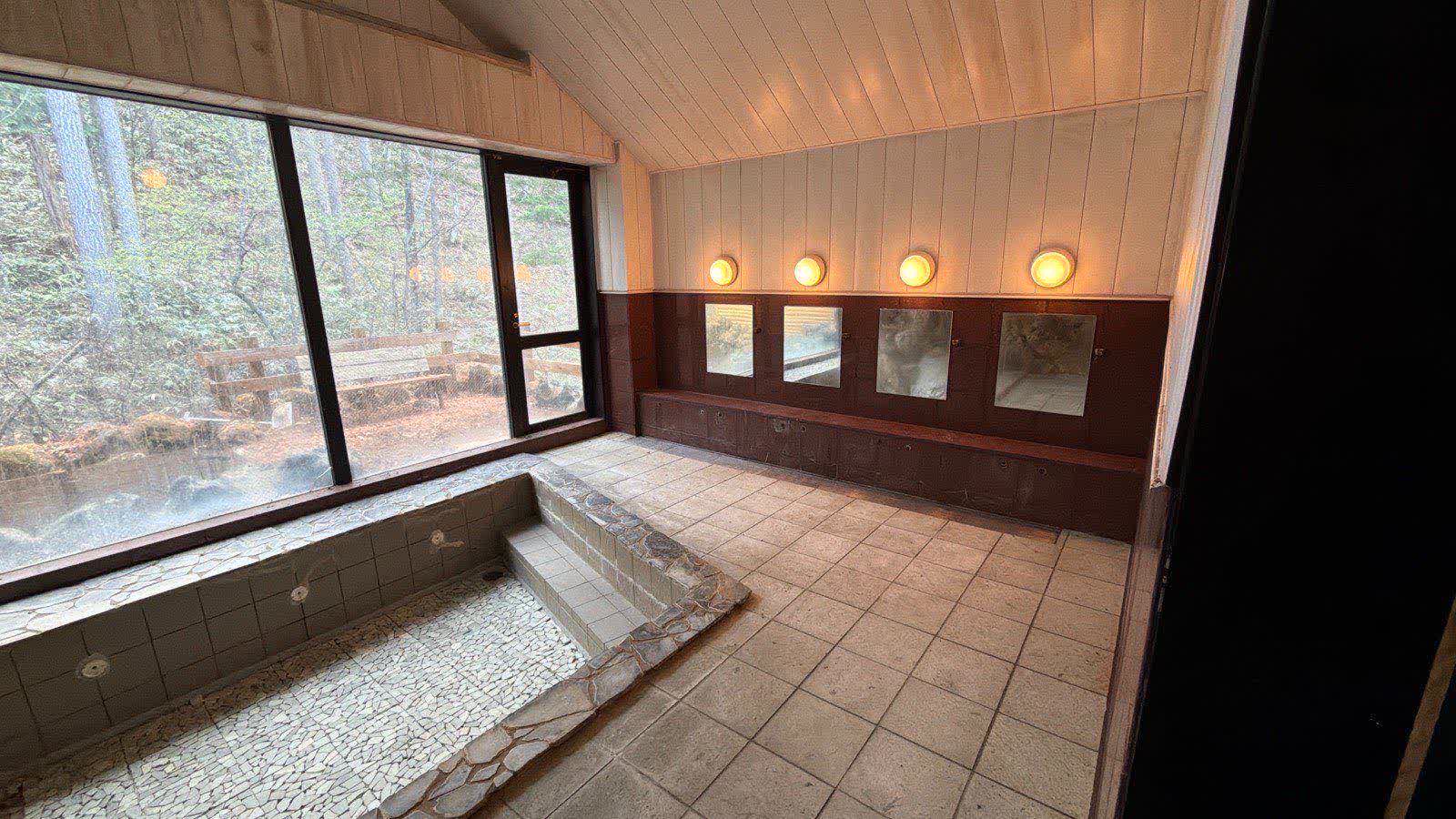
An onsen is also infrastructure and governance. Ryokan Mai draws on the Suzuran Onsen Cooperative, while Pension Karin has a separate relationship with Group 7 of the Shirahone Onsen Cooperative. A buyer should not assume continued supply. There are applications, approvals, membership terms, monthly fees, heating requirements and maintenance obligations. The water arrives through pipes, rules, relationships and upkeep.
That is why the onsen is a source of value only if the owner knows how to operate around it. A good bath changes the whole guest promise. It gives the property a center after skiing, hiking, cycling or a long drive, and a reason to stay another night and come back. That value is maintained daily through clean changing rooms, reliable temperatures, good maintenance, clear guest information and respectful relationships with the cooperatives.
Why does the Norikura location matter?
Norikura Kogen sits in the Northern Alps, within Chubu Sangaku National Park, with skiing, snowshoeing, hiking, cycling, waterfalls and hot springs all reinforcing one another. The local tourism association presents Norikura Kogen as a destination for every season, and the national parks site places Mount Norikura and Norikura Kogen in a wider protected landscape.
Value creation is easier when a place already pulls people in. The best version of this property is not simply a nice old inn in Nagano. It is a mountain base with a point of view: baths that matter after a cold day, food rooted in the area, guest flow that suits people carrying ski or hiking gear, clear arrival logistics, relationships with local guides, and seasonal programs.
The national park setting also brings rules. The Ministry of the Environment explains that work inside national parks can require applications or notifications depending on the zone and activity, including construction, exterior changes, tree cutting, land alteration and signage. Those rules are part of why the surrounding landscape still has its power. A good operator asks what the constraints protect and where the real room for improvement is.
What does it take to operate a property like this?
The irori hearth room shows the appeal immediately: fire, timber, a shared meal, winter outside and guests inside.
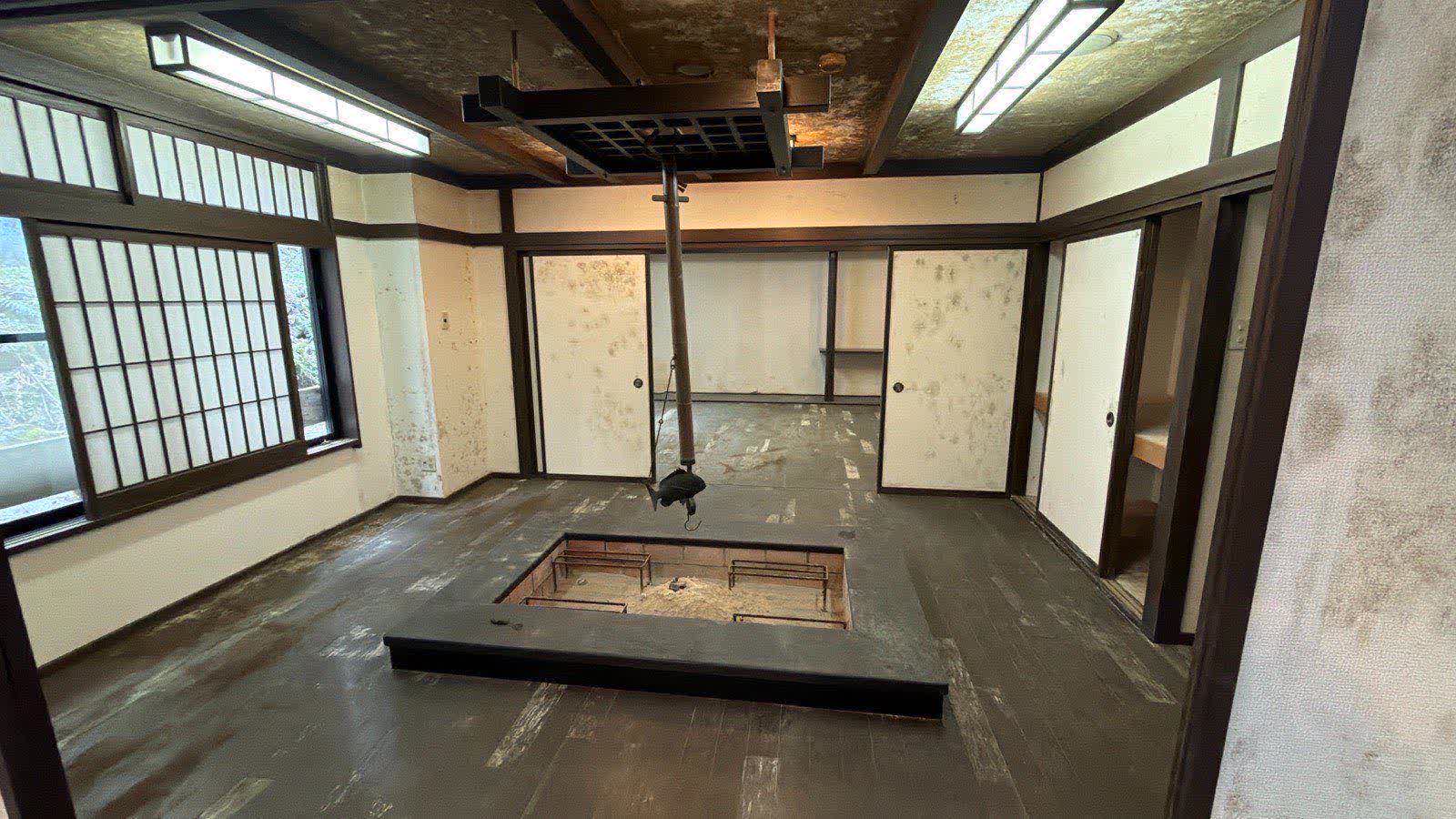
Calling a room authentic does not create value. A room like this needs programming, fire safety, cleaning, staffing, food, pacing and lighting, and a host who knows the difference between hospitality and performance. The room has potential because it already has atmosphere. The business turns that atmosphere into hospitality it can repeat every night.
That takes taste, and it takes systems. Inquiry handling, booking, payments, guest messaging in several languages, staff scheduling, vendor coordination, maintenance logs, cleaning standards, capital expenditure tracking, photography and web copy all matter. This is where my property work and my Diagnostics work meet. A beautiful physical asset still needs operating infrastructure, and an operator who ignores that will watch the charm get eaten by admin. Good documentation matters too: clear photographs, video and written context help the right guests and partners understand what the property offers, which is the focus of my media production and property documentation work.
Why do multiple buildings matter?
Pension Karin and the two vacant villas are more than extras. A single inn forces every idea through one building and one operating model. Several buildings let an operator think in phases, products and uses.
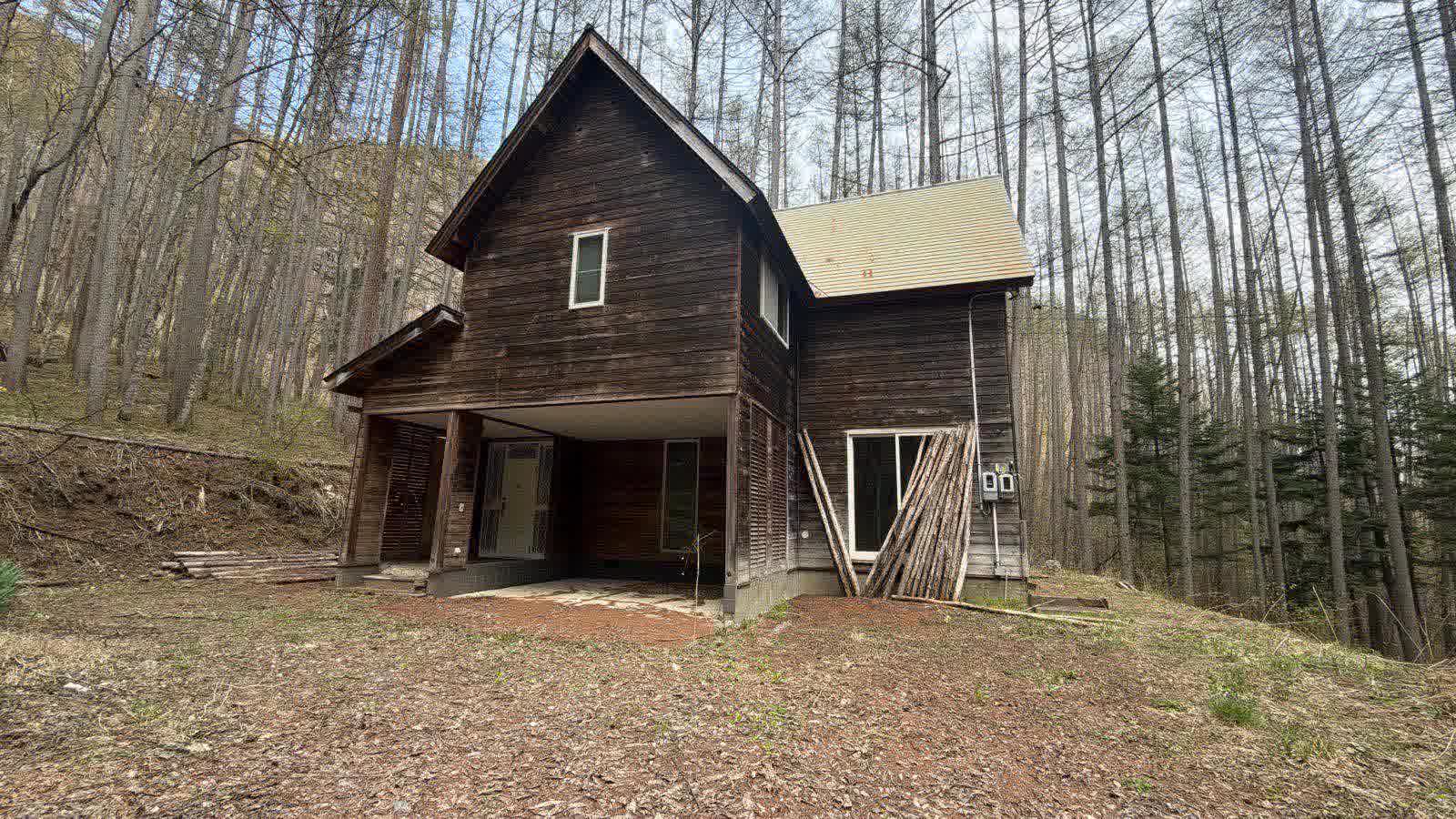
One building might carry the main ryokan experience. Another might become staff or operator housing, overflow for retreats, private stays, guide accommodation or a quieter long-stay product. A villa could wait for a later renovation phase once the main business is working. That does not remove risk, but it lets the owner sequence capital and learn from actual demand instead of betting everything on a perfect opening.
Japan’s existing real estate conversation deserves more of this thinking. The opportunity is not only detached akiya. It includes ryokan, pensions, minshuku, closed shops, company dormitories, workshops, warehouses, schools and mixed-use compounds that no longer fit their old economy but could fit a new one with the right operator. Some are too far gone, some are in the wrong place and some will never make financial sense. Others combine location, infrastructure, permissions, history and community ties that would be very expensive to recreate. That is what I mean by untapped value in Japan: not a magic discount, but misread potential plus hard work.
Who is the right buyer?
The buyer I respect for a property like this is not just wealthy, brave or in love with Japan. They are a builder, with enough imagination to feel the pull of the place, enough discipline to let due diligence improve the plan, and enough stamina to keep creating value after the purchase, when the attention has moved on and the work is still waiting.
They care about the guest and the spreadsheet, bath chemistry and brand, local relationships, fire safety, road access, staff housing, breakfast, exterior restrictions, winter operations, and whether the website makes the stay easy to understand. They know when to preserve, when to modernize, when to spend, when to wait, and when to walk away because the numbers or the local reality do not support the idea.
That is a richer story than bargain hunting. Bargain hunting asks what can be acquired cheaply. Building asks what can be made more useful, better understood and more alive. A typical akiya can be beautiful. A project like this asks for more, and gives more back to the operator who does the work.
Further reading: Akiyaz on the Norikura Kogen onsen ryokan · starting a rural business in Japan · regional revitalization needs working businesses · untapped value in Japan